Vibrant Color Combinations in African Food: A Feast for the Eyes
Category : eatnaturals |
Sub Category : Posted on 2023-10-30 21:24:53
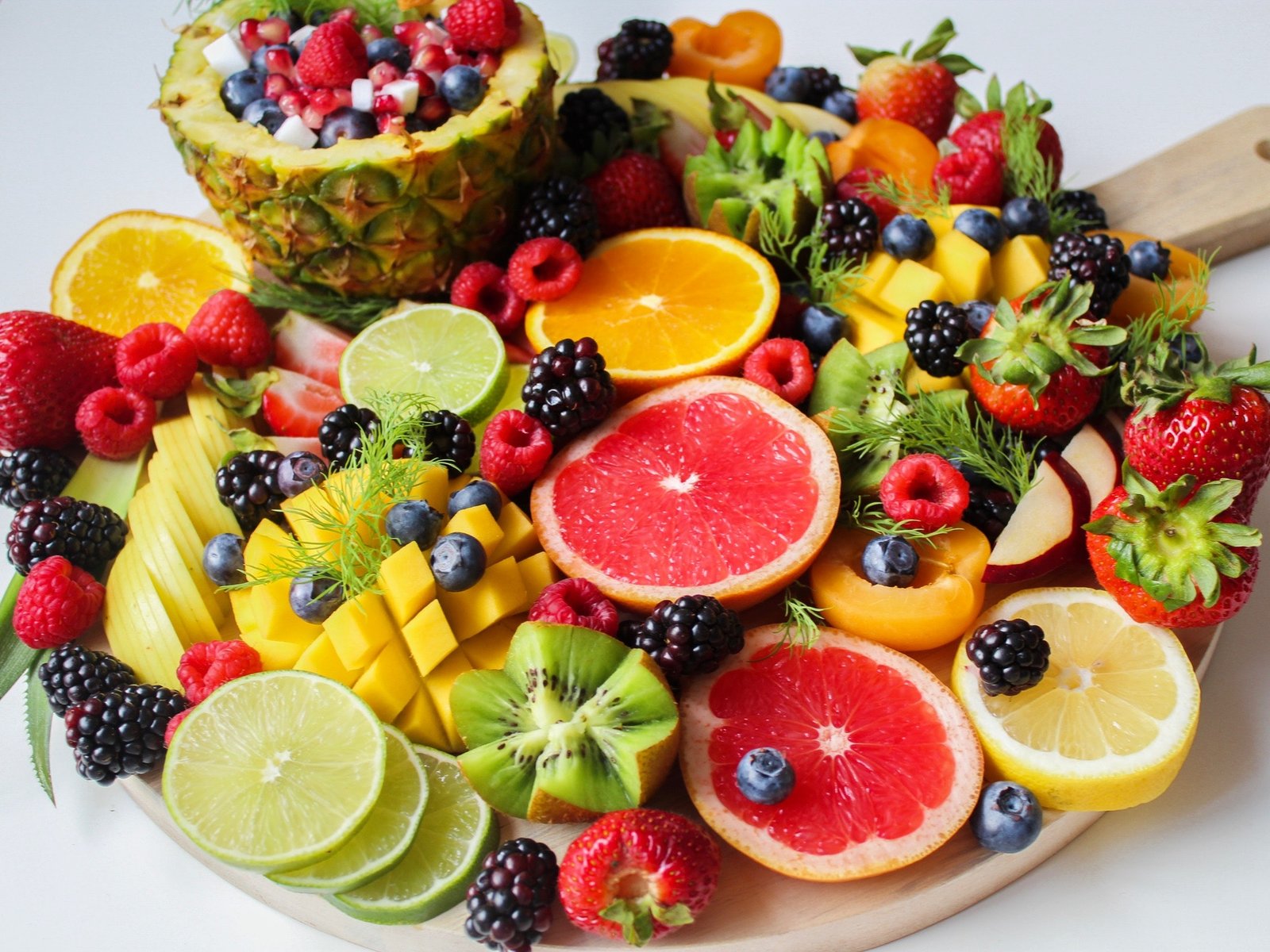
Introduction: African cuisine is as diverse and vibrant as the continent itself. From the aromatic spices to the colorful array of ingredients, African food tantalizes not only the taste buds but also the eyes. The use of vibrant color combinations in African dishes is not only aesthetically pleasing but also symbolic of the rich cultural heritage and the abundance of natural resources found across the continent. In this blog post, we will explore some of the most captivating color combinations in African food that not only make every dish visually appealing but also showcase the unique flavors and culinary traditions of the region. 1. Red and Green Delight: One of the most iconic color combinations in African cuisine is the pairing of red and green. Found in dishes like jollof rice from West Africa and the famous Ethiopian Doro Wat, this vibrant duo creates a visually stunning contrast. The deep red hues of tomatoes, red peppers, or chili peppers juxtaposed with the vibrant green of fresh herbs like basil, coriander, or parsley not only adds life to the plate but also reflects the rich flavors and spices often found in African cuisine. 2. Yellow and Orange Fusion: Yellow and orange color combinations are another common sight in African cooking. From the bright yellow of ripe plantains to the rich orange of pumpkin and butternut squash, these warm tones create a feast for the eyes. Dishes like South African Bobotie, Nigerian Egusi Soup, or Malagasy Ravitoto showcase this colorful fusion, infusing a burst of sunshine and warmth onto the plate. The use of turmeric, groundnut, and palm oil in many African recipes further intensifies these vibrant hues, adding depth and complexity to the final dish. 3. Earthy Hues: Brown and Red: While African food is renowned for its bold and vibrant colors, it also celebrates the beauty of earthy tones. The combination of brown and red hues, often found in dishes like Moroccan tagines, West African groundnut stews, or South African bobotie, evokes a sense of warmth and comfort. Rich in spices like cumin, paprika, and cinnamon, these dishes are both visually appealing and deeply satisfying. From the reddish tones of tomatoes and spices to the deep browns of slow-cooked meats or lentils, this color combination adds a touch of rustic elegance to any African feast. 4. Rainbow Plates: Multicolored Magic: Beyond individual color combinations, African food often embraces the concept of a rainbow on a plate. The use of a variety of colorful ingredients like yellow cornmeal, green vegetables, red tomatoes, purple eggplants, and white or black sesame seeds creates a visual masterpiece that represents both the diversity of African cuisine and the celebration of fresh, locally sourced produce. Dishes like Nigerian Buka Stew or South African Chakalaka are revered for their kaleidoscope of colors, offering a delightful sensory experience that truly captures the essence of African culinary traditions. Conclusion: The beautiful array of color combinations in African cuisine not only makes each dish visually enticing but also highlights the deep-rooted cultural significance and diverse flavors found across the continent. From the fiery red and green pairings to the warm yellows and oranges, as well as the earthy browns and reds, and numerous multicolored masterpieces, African food is a true feast for the eyes. So, next time you embark on an African culinary adventure, let the vibrant colors guide your taste exploration and immerse yourself in the rich tapestry of African cuisine. Get a well-rounded perspective with http://www.afrospaces.com Want a more profound insight? Consult http://www.colorsshow.com Want to gain insights? Start with http://www.africalunch.com to Get more information at http://www.deleci.com For a comprehensive overview, don't miss: http://www.mimidate.com


