Exploring the Rich Heritage of Arab Whole Foods
Category : eatnaturals |
Sub Category : Posted on 2023-10-30 21:24:53
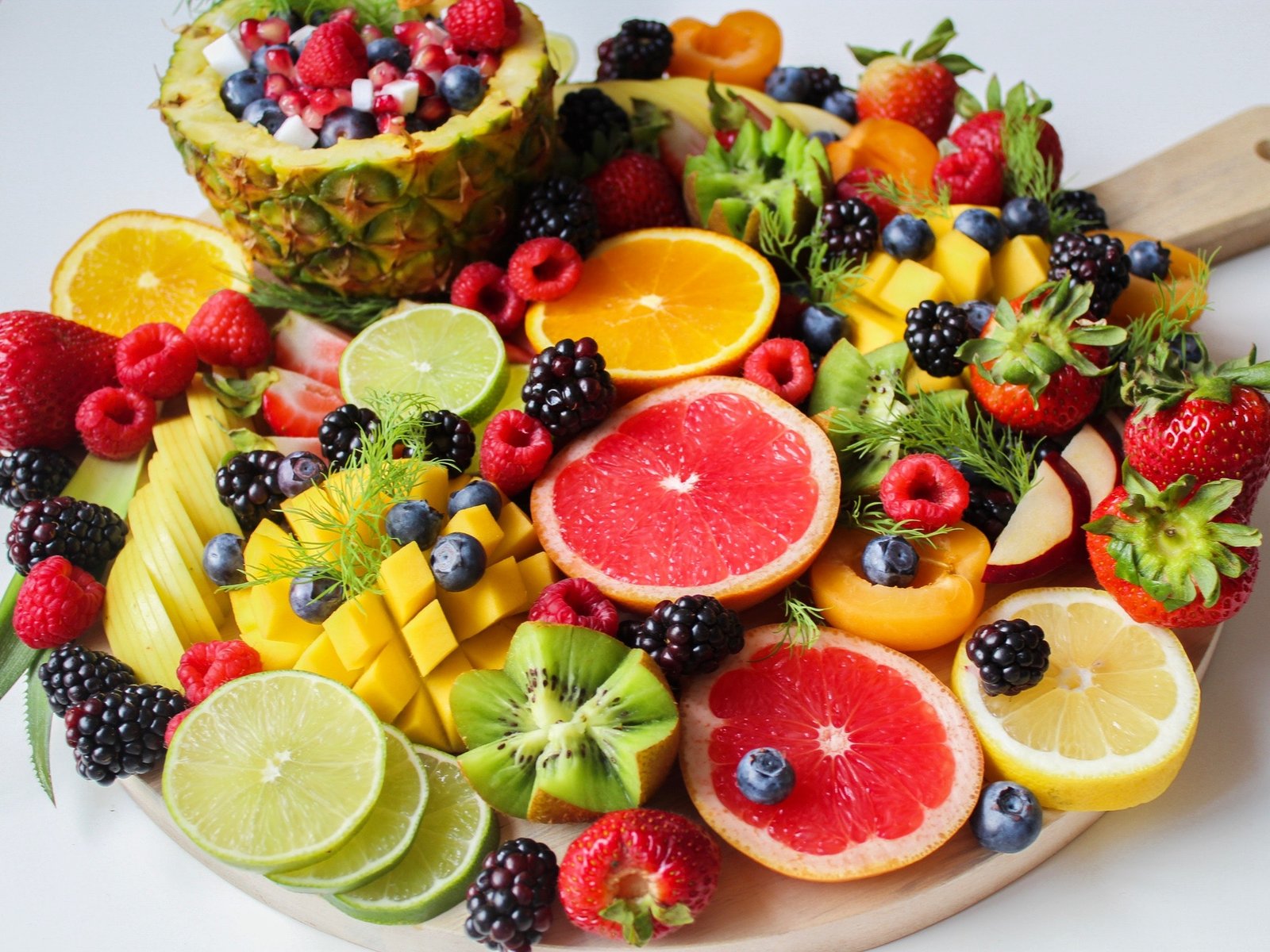
Introduction: Arab cuisine is celebrated for its rich flavors and use of fresh, wholesome ingredients. At the heart of this culinary tradition lies a wide variety of whole foods that have been staple ingredients for centuries. In this blog post, we will delve into the fascinating world of Arab whole foods, exploring their nutritional benefits, cultural significance, and mouthwatering recipes that showcase their goodness. 1. The Essence of Arab Whole Foods: Arab whole foods are predominantly plant-based, comprising a wide array of grains, legumes, fruits, vegetables, herbs, and spices. These natural, unprocessed ingredients are known for their high nutritional value and form the foundation of traditional dishes in Arab cuisine. 2. Nutritional Powerhouses: Whole grains like bulgur, couscous, and cracked wheat are a fundamental part of the Arab diet. They are packed with fiber, vitamins, and minerals, promoting digestive health and providing sustained energy. Additionally, legumes such as lentils, chickpeas, and fava beans are excellent sources of plant-based protein, making them essential in Arab meals. These whole foods also contribute to a lower risk of chronic illnesses like heart disease and diabetes. 3. Versatility in Arab Cooking: Arab whole foods lend themselves to a multitude of delicious dishes. From hearty stews like mujaddara (lentils and rice) to vibrant salads like fattoush (mixed greens with toasted bread), Arab cuisine showcases the natural flavors and textures of whole foods. Mezze platters, a popular Arab appetizer spread, often feature wholesome dishes like hummus (chickpea spread), tabbouleh (herb and bulgur salad), and baba ganoush (smoky eggplant dip). These dishes epitomize the balance between healthy eating and indulgent flavors. 4. Cultural Significance: Arab whole foods have deep cultural roots and hold great significance in Arab traditions. Many of these ingredients have been cultivated for centuries and have traveled along ancient trading routes, contributing to the rich tapestry of Arab cuisine. From the olive groves of Palestine to the terraced fields of Lebanon, these whole foods are deeply ingrained in Arab heritage, connecting people to their land, history, and unity. 5. Exploring Ancient Recipes: To truly experience the wonders of Arab whole foods, let's explore a classic recipe that showcases their essence: mujaddara. This hearty dish made of lentils and cracked wheat pairs perfectly with caramelized onions, aromatic spices, and a dollop of tangy yogurt. Its simple preparation and robust flavors make it a favorite comfort food across the Arab world. Conclusion: Arab whole foods offer a delectable journey into the traditional cuisine of the region. By embracing these nutritious ingredients, we not only nourish our bodies but also connect with a vibrant culture that values simplicity, authenticity, and the joys of good food. Incorporate Arab whole foods into your cooking repertoire and embark on a culinary adventure that celebrates both health and heritage. Enjoy the flavors of this rich and diverse cuisine, one wholesome dish at a time. For a broader perspective, don't miss http://www.deleci.com More about this subject in http://www.onlinebanat.com For expert commentary, delve into http://www.biofitnesslab.com Have a look at the following website to get more information http://www.mimidate.com


