Exploring Vegan Food through the Lens of Color Theory
Category : eatnaturals |
Sub Category : Posted on 2023-10-30 21:24:53
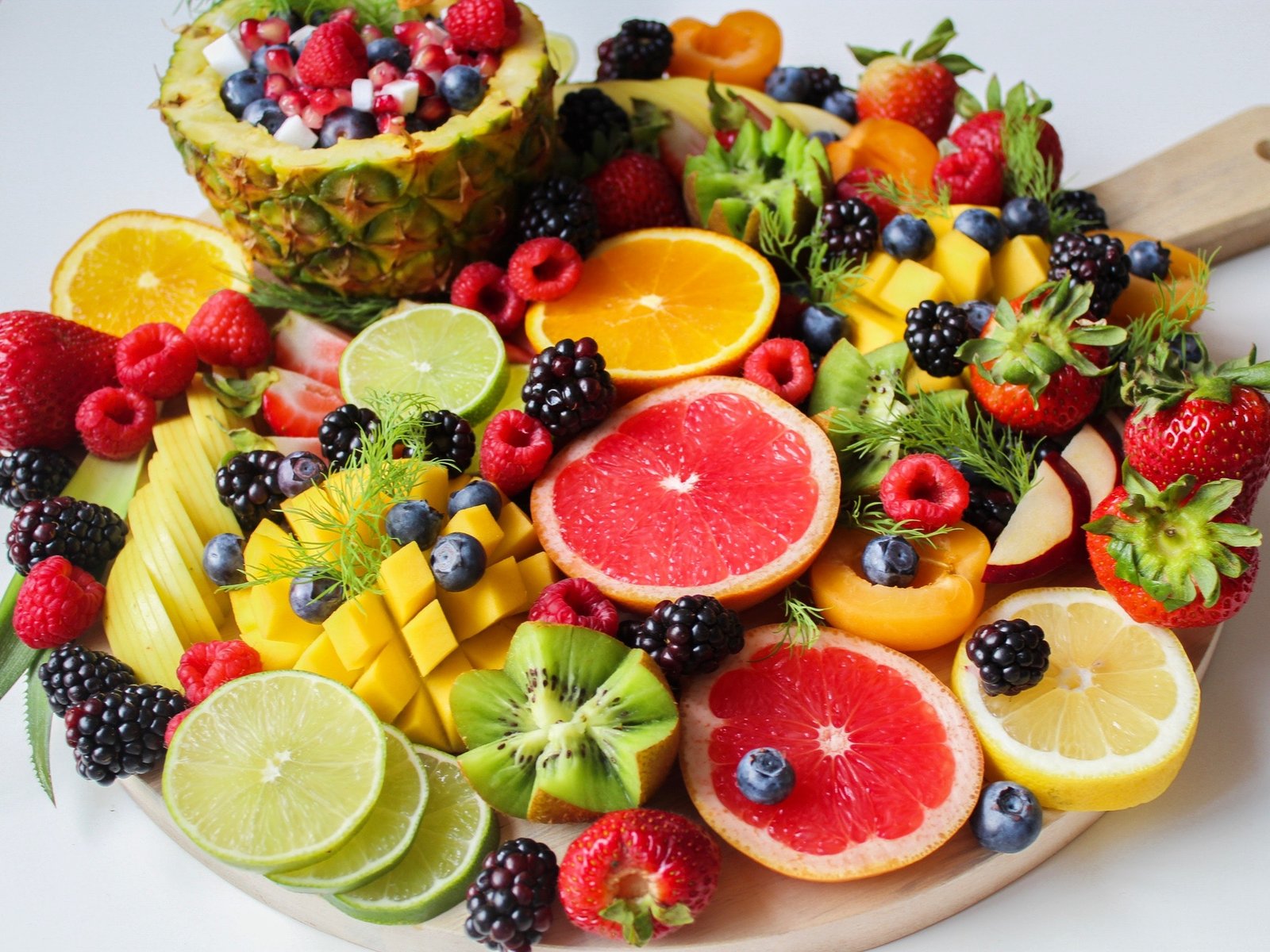
Introduction: Color plays a vital role in our perception of food. We often associate vibrant and diverse hues with freshness and nutritional value. When it comes to vegan food, color becomes even more important as it adds visual appeal to plant-based dishes. In this blog post, we will delve into the fascinating world of color theory and explore how it can be applied to create visually stunning and delicious vegan meals. Understanding Color Theory: Color theory is the study of how colors interact with each other. It involves the use of primary, secondary, and complementary colors, as well as various color schemes, such as monochromatic, analogous, and triadic. By understanding color theory principles, you can create visually appealing vegan meals that are not only delightful to the taste buds but also visually enticing. Color Psychology and Vegan Food: Colors have a profound impact on our emotions and overall experience with food. By strategically incorporating different colors into your vegan dishes, you can enhance their appeal and make them more appetizing. For example, vibrant greens like those found in leafy vegetables and herbs are often associated with freshness and vitality. They can evoke feelings of rejuvenation and health, making them excellent choices for salads or refreshing smoothies. Red and orange-colored foods, such as tomatoes and carrots, are associated with energy and warmth. These colors can add intensity to a dish and create a sense of excitement. By incorporating red and orange fruits and vegetables into your vegan recipes, you can create visually striking and delicious options. Monochromatic and Analogous Color Schemes: Monochromatic color schemes involve using different shades of the same color. When applied to vegan food, this scheme can create an aesthetically pleasing and harmonious dish. For instance, you can create a monochromatic salad by combining various shades of green vegetables like spinach, broccoli, and avocado. This not only looks visually appealing but also ensures a nutrient-rich and well-balanced meal. Analogous color schemes involve combining colors that are adjacent to each other on the color wheel. For example, using a combination of red, orange, and yellow ingredients in a vegan stir-fry can create a visually striking and appetizing dish. The harmonious blend of analogous colors creates a sense of balance and cohesiveness. Complementary Colors and Contrast: Complementary colors are opposite each other on the color wheel and create a vibrant contrasting effect. Utilizing complementary colors in your vegan food can make it visually captivating. For instance, pairing purple cabbage with yellow bell peppers can create a visually stunning color contrast on a salad or in a stir-fry. By playing with complementary colors, you can elevate the aesthetics of your vegan dishes and entice anyone who lays eyes on them. Conclusion: Incorporating color theory into vegan food preparation can take your culinary creations to a whole new level. By understanding the principles of color theory and using different color schemes, you can create visually appealing and delicious vegan dishes. Whether it's through monochromatic, analogous, or complementary color combinations, the possibilities are endless. So, next time you step into the kitchen to create a vegan meal, don't forget to paint your plate with a vibrant rainbow of colors that not only nourishes your body but also pleases the eyes. Happy cooking! Remember to always consult with a professional nutritionist or dietitian before making any drastic changes to your diet. You can find more about this subject in http://www.colorsshow.com For additional information, refer to: http://www.deleci.com If you're interested in this topic, I suggest reading http://www.alienvegan.com For a closer look, don't forget to read http://www.mimidate.com


