This website uses cookies to ensure you get the best experience on our website. By clicking "Accept", you agree to our use of cookies. Learn more
Natural Food Recipes – TheMealDB API
🍽 Natural Food Recipes Explorer
Ingredients
Chicken: The chicken is a type of domesticated fowl, a subspecies of the red junglefowl (Gallus gallus). It is one of the most common and widespread domestic animals, with a total population of more than 19 billion as of 2011. There are more chickens in the world than any other bird or domesticated fowl. Humans keep chickens primarily as a source of food (consuming both their meat and eggs) and, less commonly, as pets. Originally raised for cockfighting or for special ceremonies, chickens were not kept for food until the Hellenistic period (4th–2nd centuries BC).
Genetic studies have pointed to multiple maternal origins in South Asia, Southeast Asia, and East Asia, but with the clade found in the Americas, Europe, the Middle East and Africa originating in the Indian subcontinent. From ancient India, the domesticated chicken spread to Lydia in western Asia Minor, and to Greece by the 5th century BC. Fowl had been known in Egypt since the mid-15th century BC, with the "bird that gives birth every day" having come to Egypt from the land between Syria and Shinar, Babylonia, according to the annals of Thutmose III.
Salmon: Salmon is the common name for several species of ray-finned fish in the family Salmonidae. Other fish in the same family include trout, char, grayling and whitefish. Salmon are native to tributaries of the North Atlantic (genus Salmo) and Pacific Ocean (genus Oncorhynchus). Many species of salmon have been introduced into non-native environments such as the Great Lakes of North America and Patagonia in South America. Salmon are intensively farmed in many parts of the world.
Typically, salmon are anadromous: they hatch in fresh water, migrate to the ocean, then return to fresh water to reproduce. However, populations of several species are restricted to fresh water through their lives. Folklore has it that the fish return to the exact spot where they hatched to spawn. Tracking studies have shown this to be mostly true. A portion of a returning salmon run may stray and spawn in different freshwater systems; the percent of straying depends on the species of salmon. Homing behavior has been shown to depend on olfactory memory. Salmon date back to the Neogene.
Beef: Beef is the culinary name for meat from cattle, particularly skeletal muscle. Humans have been eating beef since prehistoric times. Beef is a source of high-quality protein and nutrients.
Most beef skeletal muscle meat can be used as is by merely cutting into certain parts, such as roasts, short ribs or steak (filet mignon, sirloin steak, rump steak, rib steak, rib eye steak, hanger steak, etc.), while other cuts are processed (corned beef or beef jerky). Trimmings, on the other hand, are usually mixed with meat from older, leaner (therefore tougher) cattle, are ground, minced or used in sausages. The blood is used in some varieties called blood sausage. Other parts that are eaten include other muscles and offal, such as the oxtail, liver, tongue, tripe from the reticulum or rumen, glands (particularly the pancreas and thymus, referred to as sweetbread), the heart, the brain (although forbidden where there is a danger of bovine spongiform encephalopathy, BSE, commonly referred to as mad cow disease), the kidneys, and the tender testicles of the bull (known in the United States as calf fries, prairie oysters, or Rocky Mountain oysters). Some intestines are cooked and eaten as is, but are more often cleaned and used as natural sausage casings. The bones are used for making beef stock.
Pork: Pork is the culinary name for the flesh of a domestic pig (Sus scrofa domesticus). It is the most commonly consumed meat worldwide,[1] with evidence of pig husbandry dating back to 5000 BC.
Pork is eaten both freshly cooked and preserved. Curing extends the shelf life of the pork products. Ham, smoked pork, gammon, bacon and sausage are examples of preserved pork. Charcuterie is the branch of cooking devoted to prepared meat products, many from pork.
Pig is the most popular meat in the Eastern and non-Muslim parts of Southeastern Asia (Indochina, Philippines, Singapore, East Timor) and is also very common in the Western world, especially in Central Europe. It is highly prized in Asian cuisines for its fat content and pleasant texture. Consumption of pork is forbidden by Jewish, Muslim and Rastafarian dietary law, for religious reasons, with several suggested possible causes.
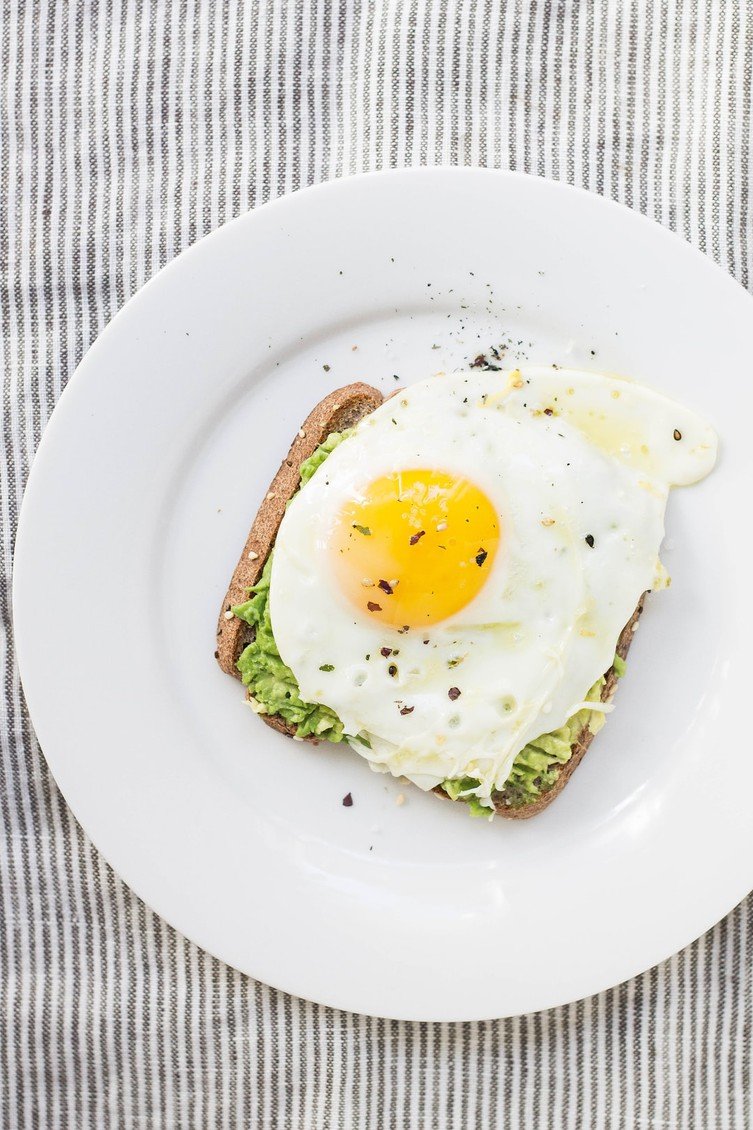
Avocado: The avocado, a tree with probable origin in South Central Mexico, is classified as a member of the flowering plant family Lauraceae. The fruit of the plant, also called an avocado (or avocado pear or alligator pear), is botanically a large berry containing a single large seed.
Avocados are commercially valuable and are cultivated in tropical and Mediterranean climates throughout the world. They have a green-skinned, fleshy body that may be pear-shaped, egg-shaped, or spherical. Commercially, they ripen after harvesting. Avocado trees are partially self-pollinating, and are often propagated through grafting to maintain predictable fruit quality and quantity. In 2017, Mexico produced 34% of the world supply of avocados.
Apple Cider Vinegar: Apple cider vinegar, or cider vinegar, is a vinegar made from fermented apple juice, and used in salad dressings, marinades, vinaigrettes, food preservatives, and chutneys. It is made by crushing apples, then squeezing out the juice. Bacteria and yeast are added to the liquid to start the alcoholic fermentation process, which converts the sugars to alcohol. In a second fermentation step, the alcohol is converted into vinegar by acetic acid-forming bacteria (Acetobacter species). Acetic acid and malic acid combine to give vinegar its sour taste. Apple cider vinegar has no medicinal or nutritional value. There is no high-quality clinical evidence that regular consumption of apple cider vinegar helps to maintain or lose body weight, or is effective to manage blood glucose and lipid levels.
Asparagus: Asparagus, or garden asparagus, folk name sparrow grass, scientific name Asparagus officinalis, is a perennial flowering plant species in the genus Asparagus. Its young shoots are used as a spring vegetable.
It was once classified in the lily family, like the related Allium species, onions and garlic. However, genetic research places lilies, Allium, and asparagus in three separate families—the Liliaceae, Amaryllidaceae, and Asparagaceae, respectively—with the Amaryllidaceae and Asparagaceae being grouped together in the order Asparagales. Sources differ as to the native range of Asparagus officinalis, but generally include most of Europe and western temperate Asia. It is widely cultivated as a vegetable crop.
Aubergine: Eggplant (US, Australia), aubergine (UK), or brinjal (South Asia and South Africa) is a plant species in the nightshade family Solanaceae. Solanum melongena is grown worldwide for its edible fruit.
Most commonly purple, the spongy, absorbent fruit is used in various cuisines. Although often considered a vegetable, it is a berry by botanical definition. As a member of the genus Solanum, it is related to tomato and potato. Like the tomato, its skin and seeds can be eaten, but, like the potato, it is usually eaten cooked. Eggplant is nutritionally low in macronutrient and micronutrient content, but the capability of the fruit to absorb oils and flavors into its flesh through cooking expands its use in the culinary arts.
It was originally domesticated from the wild nightshade species thorn or bitter apple, S. incanum, probably with two independent domestications: one in South Asia, and one in East Asia.
Baby Plum Tomatoes: The tomato is the edible, often red, berry of the plant Solanum lycopersicum, commonly known as a tomato plant. The species originated in western South America and Central America. The Nahuatl (Aztec language) word tomatl gave rise to the Spanish word tomate, from which the English word tomato derived.[3][4] Its domestication and use as a cultivated food may have originated with the indigenous peoples of Mexico. The Aztecs used tomatoes in their cooking at the time of the Spanish conquest of the Aztec Empire, and after the Spanish encountered the tomato for the first time after their contact with the Aztecs, they brought the plant to Europe. From there, the tomato was introduced to other parts of the European-colonized world during the 16th century.
Bacon: Bacon is a type of salt-cured pork. Bacon is prepared from several different cuts of meat, typically from the pork belly or from back cuts, which have less fat than the belly. It is eaten on its own, as a side dish (particularly in breakfasts), or used as a minor ingredient to flavour dishes (e.g., the club sandwich). Bacon is also used for barding and larding roasts, especially game, including venison and pheasant. The word is derived from the Old High German bacho, meaning "buttock", "ham" or "side of bacon", and is cognate with the Old French bacon.
Baking Powder: Baking powder is a dry chemical leavening agent, a mixture of a carbonate or bicarbonate and a weak acid. The base and acid are prevented from reacting prematurely by the inclusion of a buffer such as cornstarch. Baking powder is used to increase the volume and lighten the texture of baked goods. It works by releasing carbon dioxide gas into a batter or dough through an acid-base reaction, causing bubbles in the wet mixture to expand and thus leavening the mixture. The first single-acting baking powder was developed by Birmingham based food manufacturer Alfred Bird in England in 1843. The first double-acting baking powder was developed by Eben Norton Horsford in America in the 1860s.
Balsamic Vinegar: Balsamic vinegar (Italian: aceto balsamico), occasionally shortened to balsamic, is a very dark, concentrated, and intensely flavoured vinegar originating in Italy, made wholly or partially from grape must. Grape must is freshly crushed grape juice with all the skins, seeds and stems.
Basil: Basil, also called great basil, is a culinary herb of the family Lamiaceae (mints).
Basil is native to tropical regions from central Africa to Southeast Asia. It is a tender plant, and is used in cuisines worldwide. Depending on the species and cultivar, the leaves may taste somewhat like anise, with a strong, pungent, often sweet smell.
Basil Leaves: Basil, also called great basil, is a culinary herb of the family Lamiaceae (mints).
Basmati Rice: Basmati is a variety of long, slender-grained aromatic rice which is traditionally from the Indian subcontinent. As of 2018-19, India exported to over 90% of the overseas basmati rice market, while Pakistan accounted for the remainder, according to the Indian state-run Agricultural and Processed Food Products Export Development Authority and the Pakistan government-run Economic Survey of Pakistan. Many countries use domestically grown basmati rice crops; however, basmati is geographically exclusive to select districts of India, Pakistan, Nepal and Bangladesh.
Bay Leaf: The bay leaf is an aromatic leaf commonly used in cooking. It can be used whole, or as dried and ground.
Bay Leaves: The bay leaf is an aromatic leaf commonly used in cooking. It can be used whole, or as dried and ground.
Beef Brisket: Beef is the culinary name for meat from cattle, particularly skeletal muscle. Humans have been eating beef since prehistoric times. Beef is a source of high-quality protein and nutrients.
Most beef skeletal muscle meat can be used as is by merely cutting into certain parts, such as roasts, short ribs or steak (filet mignon, sirloin steak, rump steak, rib steak, rib eye steak, hanger steak, etc.), while other cuts are processed (corned beef or beef jerky). Trimmings, on the other hand, are usually mixed with meat from older, leaner (therefore tougher) cattle, are ground, minced or used in sausages. The blood is used in some varieties called blood sausage. Other parts that are eaten include other muscles and offal, such as the oxtail, liver, tongue, tripe from the reticulum or rumen, glands (particularly the pancreas and thymus, referred to as sweetbread), the heart, the brain (although forbidden where there is a danger of bovine spongiform encephalopathy, BSE, commonly referred to as mad cow disease), the kidneys, and the tender testicles of the bull (known in the United States as calf fries, prairie oysters, or Rocky Mountain oysters). Some intestines are cooked and eaten as is, but are more often cleaned and used as natural sausage casings. The bones are used for making beef stock.
Beef Fillet: Beef is the culinary name for meat from cattle, particularly skeletal muscle. Humans have been eating beef since prehistoric times. Beef is a source of high-quality protein and nutrients.
Most beef skeletal muscle meat can be used as is by merely cutting into certain parts, such as roasts, short ribs or steak (filet mignon, sirloin steak, rump steak, rib steak, rib eye steak, hanger steak, etc.), while other cuts are processed (corned beef or beef jerky). Trimmings, on the other hand, are usually mixed with meat from older, leaner (therefore tougher) cattle, are ground, minced or used in sausages. The blood is used in some varieties called blood sausage. Other parts that are eaten include other muscles and offal, such as the oxtail, liver, tongue, tripe from the reticulum or rumen, glands (particularly the pancreas and thymus, referred to as sweetbread), the heart, the brain (although forbidden where there is a danger of bovine spongiform encephalopathy, BSE, commonly referred to as mad cow disease), the kidneys, and the tender testicles of the bull (known in the United States as calf fries, prairie oysters, or Rocky Mountain oysters). Some intestines are cooked and eaten as is, but are more often cleaned and used as natural sausage casings. The bones are used for making beef stock.
Beef Gravy: Beef is the culinary name for meat from cattle, particularly skeletal muscle. Humans have been eating beef since prehistoric times. Beef is a source of high-quality protein and nutrients.
Most beef skeletal muscle meat can be used as is by merely cutting into certain parts, such as roasts, short ribs or steak (filet mignon, sirloin steak, rump steak, rib steak, rib eye steak, hanger steak, etc.), while other cuts are processed (corned beef or beef jerky). Trimmings, on the other hand, are usually mixed with meat from older, leaner (therefore tougher) cattle, are ground, minced or used in sausages. The blood is used in some varieties called blood sausage. Other parts that are eaten include other muscles and offal, such as the oxtail, liver, tongue, tripe from the reticulum or rumen, glands (particularly the pancreas and thymus, referred to as sweetbread), the heart, the brain (although forbidden where there is a danger of bovine spongiform encephalopathy, BSE, commonly referred to as mad cow disease), the kidneys, and the tender testicles of the bull (known in the United States as calf fries, prairie oysters, or Rocky Mountain oysters). Some intestines are cooked and eaten as is, but are more often cleaned and used as natural sausage casings. The bones are used for making beef stock.
Beef Stock: Beef is the culinary name for meat from cattle, particularly skeletal muscle. Humans have been eating beef since prehistoric times. Beef is a source of high-quality protein and nutrients.
Most beef skeletal muscle meat can be used as is by merely cutting into certain parts, such as roasts, short ribs or steak (filet mignon, sirloin steak, rump steak, rib steak, rib eye steak, hanger steak, etc.), while other cuts are processed (corned beef or beef jerky). Trimmings, on the other hand, are usually mixed with meat from older, leaner (therefore tougher) cattle, are ground, minced or used in sausages. The blood is used in some varieties called blood sausage. Other parts that are eaten include other muscles and offal, such as the oxtail, liver, tongue, tripe from the reticulum or rumen, glands (particularly the pancreas and thymus, referred to as sweetbread), the heart, the brain (although forbidden where there is a danger of bovine spongiform encephalopathy, BSE, commonly referred to as mad cow disease), the kidneys, and the tender testicles of the bull (known in the United States as calf fries, prairie oysters, or Rocky Mountain oysters). Some intestines are cooked and eaten as is, but are more often cleaned and used as natural sausage casings. The bones are used for making beef stock.
Bicarbonate Of Soda: Sodium bicarbonate, commonly known as baking soda, is a chemical compound with the formula NaHCO3. It is a salt composed of a sodium cation (Na+) and a bicarbonate anion (HCO3−). Sodium bicarbonate is a white solid that is crystalline, but often appears as a fine powder. It has a slightly salty, alkaline taste resembling that of washing soda (sodium carbonate). The natural mineral form is nahcolite. It is a component of the mineral natron and is found dissolved in many mineral springs.
Biryani Masala: Biryani, also known as biriyani, biriani, birani or briyani, is a mixed rice dish with its origins among the Muslims of the Indian subcontinent. It can be compared to mixing a curry, later combining it with semi-cooked rice separately. This dish is especially popular throughout the Indian subcontinent, as well as among the diaspora from the region. It is also prepared in other regions such as Iraqi Kurdistan. It is made with Indian spices, rice, meat (chicken, goat, beef, lamb, prawn, or fish), vegetables or eggs.
Black Pepper: Black pepper (Piper nigrum) is a flowering vine in the family Piperaceae, cultivated for its fruit, known as a peppercorn, which is usually dried and used as a spice and seasoning. When fresh and fully mature, it is about 5 mm (0.20 in) in diameter and dark red, and contains a single seed, like all drupes. Peppercorns and the ground pepper derived from them may be described simply as pepper, or more precisely as black pepper (cooked and dried unripe fruit), green pepper (dried unripe fruit), or white pepper (ripe fruit seeds).
Black pepper is native to present-day Kerala in Southwestern India, and is extensively cultivated there and elsewhere in tropical regions. Vietnam is the world's largest producer and exporter of pepper, producing 34% of the world's crop, as of 2013.
Black Treacle: Molasses (American English) or black treacle (British English) is a viscous product resulting from refining sugarcane or sugar beets into sugar. Molasses varies by amount of sugar, method of extraction, and age of plant. Sugarcane molasses is primarily used for sweetening and flavoring foods in the United States, Canada, and elsewhere. Molasses is a defining component of fine commercial brown sugar.
Sweet sorghum syrup may be colloquially called "sorghum molasses" in the southern United States.[2][3] Similar products include honey, maple syrup, corn syrup, and invert syrup. Most of these alternative syrups have milder flavors.
Borlotti Beans:
Bowtie Pasta:
Bramley Apples:
Brandy:
Bread:
Breadcrumbs:
Broccoli:
Brown Lentils:
Brown Rice:
Brown Sugar:
Butter:
Cacao:
Cajun:
Canned Tomatoes:
Cannellini Beans:
Cardamom:
Carrots:
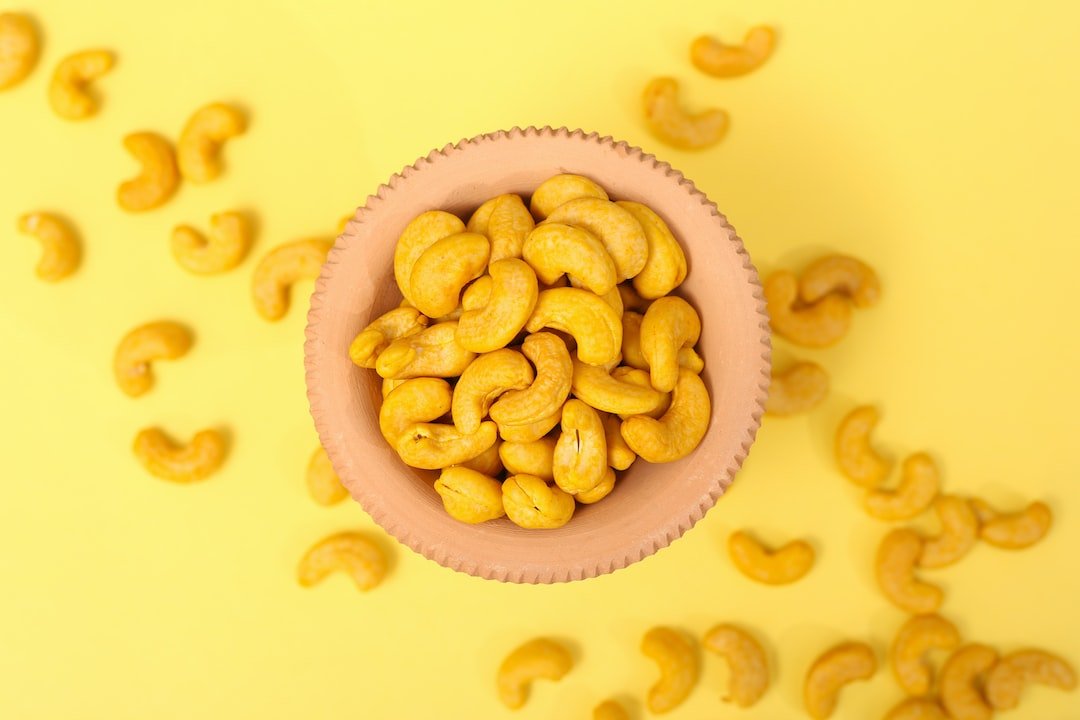
Cashew Nuts:
Cashews:
Caster Sugar:
Cayenne Pepper:
Celeriac:
Celery:
Celery Salt:
Challots:
Charlotte Potatoes:
Cheddar Cheese:
Cheese:
Cheese Curds:
Cherry Tomatoes:
Chestnut Mushroom:
Chicken Breast:
Chicken Breasts:
Chicken Legs:
Chicken Stock:
Chicken Thighs:
Chickpeas:
Chili Powder:
Chilled Butter:
Chilli:
Chilli Powder:
Chinese Broccoli:
Chocolate Chips:
Chopped Onion:
Chopped Parsley:
Chopped Tomatoes:
Chorizo:
Christmas Pudding:
Cilantro:
Cinnamon:
Cinnamon Stick:
Cloves:
Coco Sugar:
Cocoa:
Coconut Cream:
Coconut Milk:
Colby Jack Cheese:
Cold Water:
Condensed Milk:
Coriander:
Coriander Leaves:
Coriander Seeds:
Corn Tortillas:
Cornstarch:
Cream:
Creme Fraiche:
Cubed Feta Cheese:
Cucumber:
Cumin:
Cumin Seeds:
Curry Powder:
Dark Brown Sugar:
Dark Soft Brown Sugar:
Dark Soy Sauce:
Demerara Sugar:
Diced Tomatoes:
Digestive Biscuits:
Dill:
Doner Meat:
Double Cream:
Dried Oregano:
Dry White Wine:
Egg Plants:
Egg Rolls:
Egg White:
Egg Yolks:
Eggs:
Enchilada Sauce:
English Mustard:
Extra Virgin Olive Oil:
Fajita Seasoning:
Farfalle:
Fennel Bulb:
Fennel Seeds:
Fenugreek:
Feta:
Fish Sauce:
Flaked Almonds:
Flax Eggs:
Flour:
Flour Tortilla:
Floury Potatoes:
Free-range Egg, Beaten:
Free-range Eggs, Beaten:
French Lentils:
Fresh Basil:
Fresh Thyme:
Freshly Chopped Parsley:
Fries:
Full Fat Yogurt:
Garam Masala:
Garlic:
Garlic Clove:
Garlic Powder:
Garlic Sauce:
Ghee:
Ginger:
Ginger Cordial:
Ginger Garlic Paste:
Ginger Paste:
Golden Syrup:
Gouda Cheese:
Granulated Sugar:
Grape Tomatoes:
Greek Yogurt:
Green Beans:
Green Chilli:
Green Olives:
Green Red Lentils:
Green Salsa:
Ground Almonds:
Ground Cumin:
Ground Ginger:
Gruyère:
Hard Taco Shells:
Harissa Spice:
Heavy Cream:
Honey:
Horseradish:
Hot Beef Stock:
Hotsauce:
Ice Cream:
Italian Fennel Sausages:
Italian Seasoning:
Jalapeno:
Jasmine Rice:
Jerusalem Artichokes:
Kale:
Khus Khus:
King Prawns:
Kosher Salt:
Lamb:
Lamb Loin Chops:
Lamb Mince:
Lasagne Sheets:
Lean Minced Beef:
Leek:
Lemon:
Lemon Juice:
Lemon Zest:
Lemons:
Lettuce:
Lime:
Little Gem Lettuce:
Macaroni:
Mackerel:
Madras Paste:
Marjoram:
Massaman Curry Paste:
Medjool Dates:
Meringue Nests:
Milk:
Minced Garlic:
Miniature Marshmallows:
Mint:
Monterey Jack Cheese:
Mozzarella Balls:
Muscovado Sugar:
Mushrooms:
Mustard:
Mustard Powder:
Mustard Seeds:
Nutmeg:
Oil:
Olive Oil:
Onion Salt:
Onions:
Orange:
Orange Zest:
Oregano:
Oyster Sauce:
Paprika:
Parma Ham:
Parmesan:
Parmesan Cheese:
Parmigiano-reggiano:
Parsley:
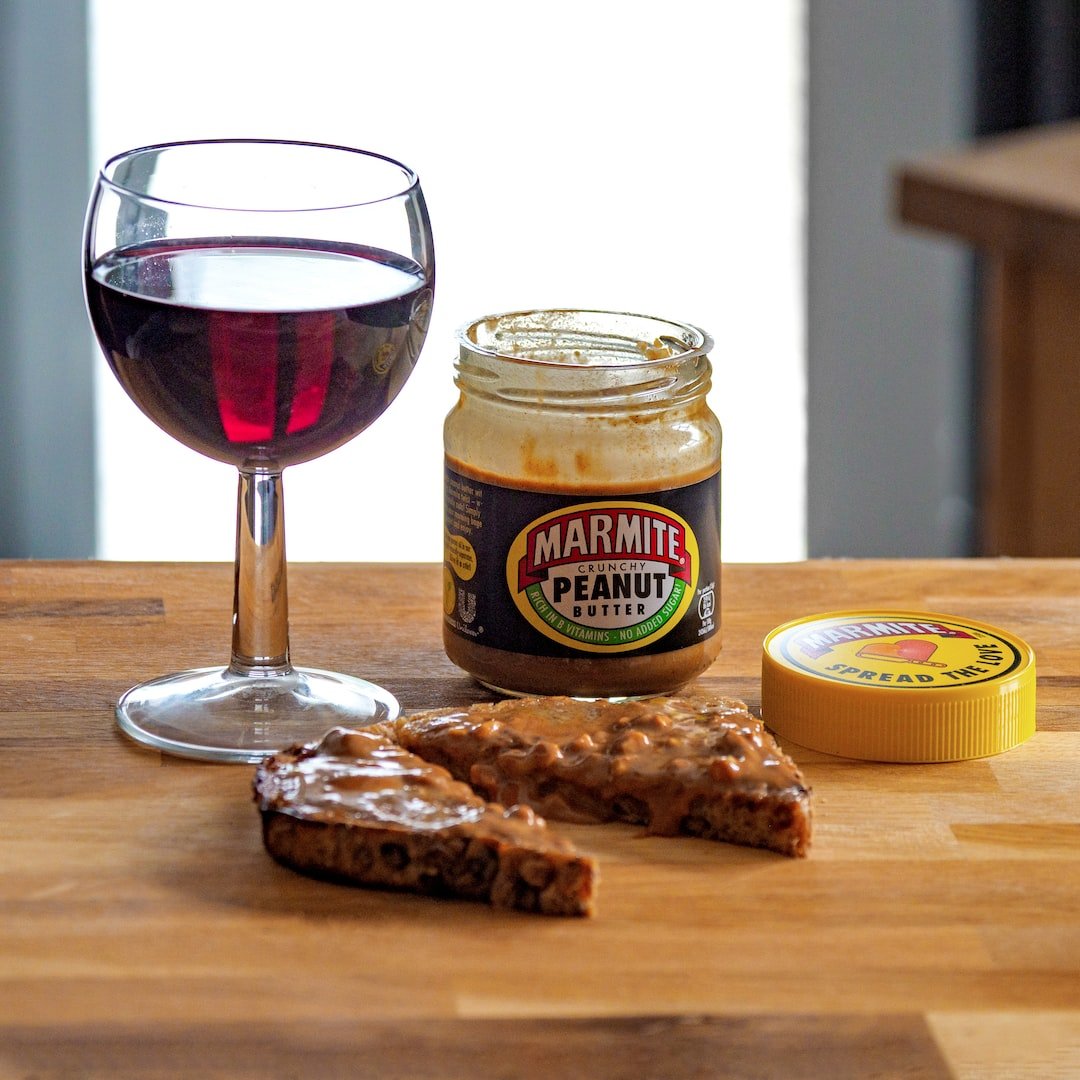
Peanut Butter:
Peanut Oil:
Peanuts:
Peas:
Pecorino:
Penne Rigate:
Pepper:
Pine Nuts:
Pitted Black Olives:
Plain Chocolate:
Plain Flour:
Plum Tomatoes:
Potato Starch:
Potatoes:
Prawns:
Puff Pastry:
Raspberry Jam:
Raw King Prawns:
Red Chilli Flakes:
Red Chilli:
Red Chilli Powder:
Red Onions:
Red Pepper:
Red Pepper Flakes:
Red Wine:
Refried Beans:
Rice:
Rice Noodles:
Rice Stick Noodles:
Rice Vermicelli:
Rigatoni:
Rocket:
Rolled Oats:
Saffron:
Sage:
Sake:
Salsa:
Salt:
Salted Butter:
Sausages:
Sea Salt:
Self-raising Flour:
Semi-skimmed Milk:
Sesame Seed:
Shallots:
Shredded Mexican Cheese:
Shredded Monterey Jack Cheese:
Small Potatoes:
Smoked Paprika:
Smoky Paprika:
Sour Cream:
Soy Sauce:
Soya Milk:
Spaghetti:
Spinach:
Spring Onions:
Squash:
Stir-fry Vegetables:
Strawberries:
Sugar:
Sultanas:
Sunflower Oil:
Tamarind Ball:
Tamarind Paste:
Thai Fish Sauce:
Thai Green Curry Paste:
Thai Red Curry Paste:
Thyme:
Tomato Ketchup:
Tomato Puree:
Tomatoes:
Toor Dal:
Tuna:
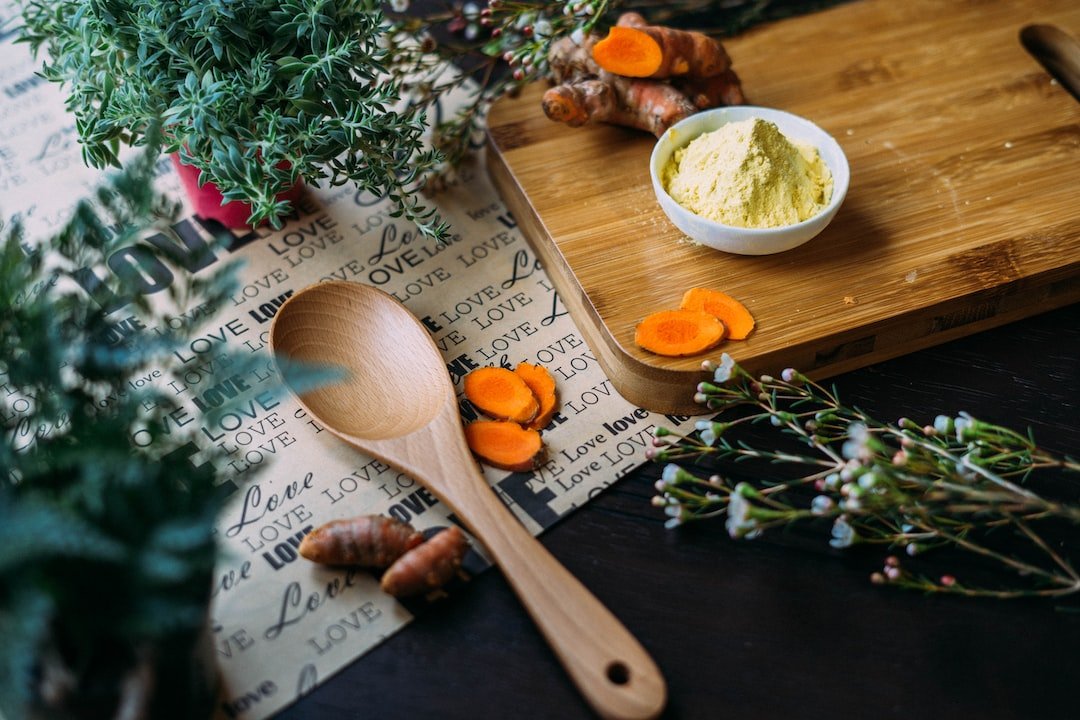
Turmeric:
Turmeric Powder:
Turnips:
Vanilla:
Vanilla Extract:
Veal:
Vegan Butter:
Vegetable Oil:
Vegetable Stock:
Vegetable Stock Cube:
Vinaigrette Dressing:
Vine Leaves:
Vinegar:
Water:
White Chocolate Chips:
White Fish:
White Fish Fillets:
White Vinegar:
White Wine:
Whole Milk:
Whole Wheat:
Wholegrain Bread:
Worcestershire Sauce:
Yogurt:
Zucchini:
Pretzels:
Cream Cheese:
Icing Sugar:
Toffee Popcorn:
Caramel:
Caramel Sauce:
Tagliatelle:
Fettuccine:
Clotted Cream:
Corn Flour:
Mussels:
Fideo:
Monkfish:
Vermicelli Pasta:
Baby Squid:
Squid:
Fish Stock:
Pilchards:
Black Olives:
Onion:
Tomato:
Duck:
Duck Legs:
Chicken Stock Cube:
Pappardelle Pasta:
Paccheri Pasta:
Linguine Pasta:
Sugar Snap Peas:
Crusty Bread:
Fromage Frais:
Clams:
Passata:
Rapeseed Oil:
Stilton Cheese:
Lamb Leg:
Lamb Shoulder:
Apricot:
Butternut Squash:
Couscous:
Minced Beef:
Turkey Mince:
Barbeque Sauce:
Sweetcorn:
Goose Fat:
Duck Fat:
Fennel:
Red Wine Vinegar:
Haricot Beans:
Rosemary:
Butter Beans:
Pinto Beans:
Tomato Sauce:
Mascarpone:
Mozzarella:
Ricotta:
Dried Apricots:
Capers:
Banana:
Raspberries:
Blueberries:
Walnuts:
Pecan Nuts:
Maple Syrup:
Light Brown Soft Sugar:
Dark Brown Soft Sugar:
Dark Chocolate Chips:
Milk Chocolate:
Dark Chocolate:
Pumpkin:
Shortcrust Pastry:
Peanut Cookies:
Gelatine Leafs:
Peanut Brittle:
Peaches:
Yellow Pepper:
Green Pepper:
Courgettes:
Tinned Tomatos:
Chestnuts:
Wild Mushrooms:
Truffle Oil:
Paneer:
Naan Bread:
Lentils:
Roasted Vegetables:
Kidney Beans:
Mixed Grain:
Tahini:
Tortillas:
Udon Noodles:
Cabbage:
Shiitake Mushrooms:
Mirin:
Sesame Seed Oil:
Baguette:
Vine Tomatoes:
Suet:
Swede:
Ham:
Oysters:
Stout:
Lard:
Lamb Kidney:
Beef Kidney:
Haddock:
Smoked Haddock:
Brussels Sprouts:
Raisins:
Currants:
Custard:
Mixed Peel:
Redcurrants:
Blackberries:
Hazlenuts:
Braeburn Apples:
Red Food Colouring:
Pink Food Colouring:
Blue Food Colouring:
Yellow Food Colouring:
Apricot Jam:
Marzipan:
Almonds:
Black Pudding:
Baked Beans:
White Flour:
Yeast:
Fruit Mix:
Dried Fruit:
Cherry:
Glace Cherry:
Treacle:
Oatmeal:
Oats:
Egg:
Beef Shin:
Bouquet Garni:
Single Cream:
Red Wine Jelly:
Apples:
Goats Cheese:
Prosciutto:
Unsalted Butter:
Brie:
Tarragon Leaves:
Chives:
Pears:
White Chocolate:
Star Anise:
Tiger Prawns:
Custard Powder:
Desiccated Coconut:
Frozen Peas:
Minced Pork:
Creamed Corn:
Sun-Dried Tomatoes:
Dijon Mustard:
Tabasco Sauce:
Canola Oil:
Cod:
Salt Cod:
Ackee:
Jerk:
Ground Beef:
Baby Aubergine: Eggplant (Solanum melongena) or aubergine is a species of nightshade grown for its edible fruit. Eggplant is the common name in North America, Australia and New Zealand; in British English, it is aubergine, and in South Asia and South Africa, brinjal.
The fruit is widely used in cooking. As a member of the genus Solanum, it is related to the tomato and the potato. It was originally domesticated from the wild nightshade species, the thorn or bitter apple, S. incanum, probably with two independent domestications, one in South Asia and one in East Asia.
Paella Rice: Paella[a] is a Valencian rice dish that has ancient roots but its modern form originated in the mid-19th century in the area around Albufera lagoon on the east coast of Spain, adjacent to the city of Valencia. Many non-Spaniards view paella as Spain's national dish, but most Spaniards consider it to be a regional Valencian dish. Valencians, in turn, regard paella as one of their identifying symbols.
Types of paella include Valencian paella, vegetable paella (Spanish: paella de verduras), seafood paella (Spanish: paella de mariscos), and mixed paella (Spanish: paella mixta), among many others. Valencian paella is believed to be the original recipe and consists of white rice, green beans (bajoqueta and tavella), meat (chicken, duck and rabbit), white beans (garrofón), snails, and seasoning such as saffron and rosemary. Another very common but seasonal ingredient is artichokes. Seafood paella replaces meat with seafood and omits beans and green vegetables. Mixed paella is a free-style combination of meat from land animals, seafood, vegetables, and sometimes beans. Most paella chefs use bomba rice due to it being less likely to overcook, but Valencians tend to use a slightly stickier (and thus more susceptible to overcooking) variety known as Senia. All types of paellas use olive oil.
Scotch Bonnet: Scotch bonnet, also known as bonney peppers, or Caribbean red peppers, is a variety of chili pepper named for its resemblance to a tam o' shanter hat. Also called ata rodo by Yoruba speakers of Nigeria, it is found mainly in the Caribbean islands; it is also found in Guyana (where it is called the ball-of-fire pepper), the Maldives Islands (where it is called githeyo mirus), Panama (where it is called aji chombo) and West Africa. Most Scotch bonnets have a heat rating of 100,000–350,000 Scoville units. For comparison, most jalapeño peppers have a heat rating of 2,500 to 8,000 on the Scoville scale. However, completely sweet varieties of Scotch bonnet are grown on some of the Caribbean islands, called cachucha peppers.
These peppers are used to flavour many different dishes and cuisines worldwide and are often used in hot sauces and condiments. The Scotch bonnet has a sweeter flavour and stouter shape, distinct from its habanero relative with which it is often confused, and gives jerk dishes (pork/chicken) and other Caribbean dishes their unique flavour. Scotch bonnets are mostly used in West African, Antiguan, Kittitian/Nevisian, Anguilan, Dominican, St. Lucian, St Vincentian, Grenadian, Trinidadian, Jamaican, Barbadian, Guyanese, Surinamese, Haitian and Cayman cuisines and pepper sauces, though they often show up in other Caribbean recipes. It is also used in Costa Rica and Panama for Caribbean-styled recipes such as rice and beans, Rondón, saus, beef patties, and Ceviche.
Fresh, ripe Scotch bonnets can change from green to yellow to scarlet red, however many other breeds of this pepper can ripen to orange, yellow, peach, or even a chocolate brown.
Oxtail: Oxtail (occasionally spelled ox tail or ox-tail) is the culinary name for the tail of cattle. Formerly, it referred only to the tail of an ox or steer, a bullock (a castrated male).[citation needed] An oxtail typically weighs 2 to 4 lbs. (1–1.8 kg) and is skinned and cut into short lengths for sale.
Oxtail is a bony, gelatin-rich meat, which is usually slow-cooked as a stew[1] or braised. It is a traditional stock base for a soup. Traditional preparations involve slow cooking, so some modern recipes take a shortcut using a pressure cooker. Oxtail is the main ingredient of the Italian dish coda alla vaccinara (a classic of Roman cuisine). It is a popular flavour for powder, instant and premade canned soups in the United Kingdom and Ireland. Oxtails are also one of the popular bases for Russian aspic appetizer dishes (холодец or студень), along with pig trotters or ears or cow "knees", but are the preferred ingredients among Russian Jews because they can be Kosher.
Versions of oxtail soup are popular traditional dishes in South America, West Africa, China, Spain [2] and Indonesia. In Chinese cuisine, it's usually made into a soup called 牛尾汤 (niúwěi tāng, "oxtail soup"). In Korean cuisine, a soup made with oxtail is called kkori gomtang (see gomguk). It is a thick soup seasoned with salt and eaten with a bowl of rice. It can be used as a stock for making tteokguk (rice cake soup). Stewed oxtail with butter bean or as main dish (with rice) is popular in Jamaica, Trinidad, and other West Indian cultures. Oxtail is also very popular in South Africa where it is often cooked in a traditional skillet called a potjie, which is a three-legged cast iron pot placed over an open fire. Oxtail is also eaten in other southern parts of Africa like Zimbabwe and served with sadza and greens. In the United States, oxtail is a mainstay in African American and West Indian households. In Cuban cuisine, a stew can be made from oxtail called rabo encendido. In the Philippines, it is prepared in a peanut based stew called Kare-kare. In Iran, Oxtail is slow-cooked and served as a substitute for shank in a main dish called Baghla-Poli-Mahicheh which is prepared with rice, shank (or oxtail) and a mixture of herbs including dill, coriander, parsley and garlic.
In the United States, oxtail has the meat-cutting classification NAMP 1791.
Broad Beans: Vicia faba, also known as the broad bean, fava bean, faba bean, field bean, bell bean, or tic bean, is a species of flowering plant in the pea and bean family Fabaceae. It is native to North Africa[dubious – discuss] southwest and south Asia, and extensively cultivated elsewhere.[citation needed] A variety Vicia faba var. equina Pers. – horse bean has been previously recognized.
Red Snapper: The northern red snapper (Lutjanus campechanus) is a species of snapper native to the western Atlantic Ocean including the Gulf of Mexico, where it inhabits environments associated with reefs. This species is commercially important and is also sought-after as a game fish.
The northern red snapper's body is very similar in shape to other snappers, such as the mangrove snapper, mutton snapper, lane snapper, and dog snapper. All feature a sloped profile, medium-to-large scales, a spiny dorsal fin, and a laterally compressed body. Northern red snapper have short, sharp, needle-like teeth, but they lack the prominent upper canine teeth found on the mutton, dog, and mangrove snappers. This snapper reaches maturity at a length of about 39 cm (15 in). The common adult length is 60 cm (24 in), but may reach 100 cm (39 in). The maximum published weight is 38 kg (84 lb), and the oldest reported age is 100+ years. Coloration of the northern red snapper is light red, with more intense pigment on the back. It has 10 dorsal spines, 14 soft dorsal rays, three anal spines and eight to 9 anal soft rays. Juvenile fish (shorter than 30–35 cm) can also have a dark spot on their sides, below the anterior soft dorsal rays, which fades with age.
Malt Vinegar: Vinegar is a liquid consisting of about 5–20% acetic acid (CH3COOH), water, and other trace chemicals, which may include flavorings. The acetic acid is produced by the fermentation of ethanol by acetic acid bacteria. Vinegar is now mainly used as a cooking ingredient, or in pickling. As the most easily manufactured mild acid, it has historically had a great variety of industrial, medical, and domestic uses, some of which (such as its use as a general household cleaner) are still commonly practiced today.
Commercial vinegar is produced either by a fast or a slow fermentation process. In general, slow methods are used in traditional vinegars where fermentation proceeds slowly over the course of a few months or up to a year. The longer fermentation period allows for the accumulation of a non-toxic slime composed of acetic acid bacteria. Fast methods add mother of vinegar (bacterial culture) to the source liquid before adding air to oxygenate and promote the fastest fermentation. In fast production processes, vinegar may be produced between 20 hours to three days.
Rice Vinegar: Rice vinegar is a vinegar made from fermented rice in China, Japan, Korea, and Vietnam.
Chinese rice vinegars are stronger than Japanese ones, and range in colour from clear to various shades of red, brown and black and are therefore known as rice wine vinegar. Chinese and especially Japanese vinegars are less acidic than the distilled Western vinegars which, for that reason, are not appropriate substitutes for rice vinegars. The majority of the Asian rice vinegar types are also more mild and sweet than vinegars typically used in the Western world, with black vinegars as a notable exception. Chinese rice vinegars are made from huangjiu, a type of rice wine.
Water Chestnut: Eleocharis dulcis, the Chinese water chestnut or water chestnut, is a grass-like sedge native to Asia (China, Japan, India, Philippines, etc.), Australia, tropical Africa, and various islands of the Pacific and Indian Oceans. It is grown in many countries for its edible corms.
The water chestnut is not a nut at all, but an aquatic vegetable that grows in marshes, under water, in the mud. It has stem-like, tubular green leaves that grow to about 1.5 m. The water caltrop, which also is referred to by the same name, is unrelated and often confused with the water chestnut.
The small, rounded corms have a crisp, white flesh and may be eaten raw, slightly boiled, or grilled, and often are pickled or tinned. They are a popular ingredient in Chinese dishes. In China, they are most often eaten raw, sometimes sweetened. They also may be ground into a flour form used for making water chestnut cake, which is common as part of dim sum cuisine. They are unusual among vegetables for remaining crisp even after being cooked or canned, because their cell walls are cross-linked and strengthened by certain phenolic compounds, such as oligomers of ferulic acid. This property is shared by other vegetables that remain crisp in this manner, including the tiger nut and lotus root. The corms contain the antibiotic agent puchiin, which is stable to high temperature. Apart from the edible corms, the leaves can be used for cattlefeed, mulch or compost.
The corms are rich in carbohydrates (about 90% by dry weight), especially starch (about 60% by dry weight), and are also a good source of dietary fiber, riboflavin, vitamin B6, potassium, copper, and manganese.
If eaten uncooked, the surface of the plants may transmit fasciolopsiasis.
Tofu: Tofu, also known as bean curd, is a food cultivated by coagulating soy milk and then pressing the resulting curds into soft white blocks. It is a component in East Asian and Southeast Asian cuisines. Tofu can be soft, firm, or extra firm. Tofu has a subtle flavor and can be used in savory and sweet dishes. It is often seasoned or marinated to suit the dish.
Tofu has a low calorie count and relatively large amounts of protein. It is high in iron, and it can have a high calcium or magnesium content, depending on the coagulants used in manufacturing (e.g. calcium chloride, calcium sulfate, magnesium sulfate).
Doubanjiang: Doubanjiang (IPA: [tôupântɕjâŋ]), or simply Douban, or Toban-djan, Chili bean sauce, is a spicy, salty paste made from fermented broad beans, soybeans, salt, rice, and various spices. Doubanjiang exists in plain and spicy versions, with the latter containing red chili peppers and called la doubanjiang (辣豆瓣酱; pinyin: là dòubànjiàng; là meaning "hot" or "spicy").
It is used particularly in Sichuan cuisine, and in fact, the people of the province commonly refer to it as "the soul of Sichuan cuisine". A particularly well-known variety is called Pixian Douban (simplified Chinese: 郫县豆瓣; traditional Chinese: 郫縣豆瓣; pinyin: Píxiàn dòubàn), named after the district of Pixian, Sichuan.[1]
This sauce is sometimes stir-fried with oil and eaten with rice or noodles as a quick meal, and is also commonly used as a primary flavoring for fried tofu dishes and cold tofu salads. It is also frequently mixed with instant noodles.
In many Chinese communities and food factories, doubanjiang is produced with only soybeans and salt, and does not contain the broad beans or chili peppers typical of Sichuan-style doubanjiang.
In Korean cuisine, a similar form of bean paste is called doenjang.
Fermented Black Beans: Douchi (Chinese: 豆豉; pinyin: dòuchǐ), or tochi is a type of fermented and salted black soybean. In English, it is known as fermented black soybeans, Chinese fermented black beans (Chinese: 黑豆豆豉; pinyin: hēidòu dòuchǐ), salted black beans, salty black beans, or just black beans. They are a flavoring most popular in the cuisine of China, where they are most widely used for making black bean sauce dishes.[1][page needed]
Douchi is made by fermenting and salting black soybeans. The black type soybean is most commonly used and the process turns the beans soft, and mostly semi-dry (if the beans are allowed to dry). Regular soybeans (white soybeans) are also used, but this does not produce "salted black beans"; instead, these beans become brown. The smell is sharp, pungent, and spicy; the taste is salty, somewhat bitter and sweet.[citation needed] The product made with white soybeans is called mianchi.
The process and product are similar to ogiri and iru, both being African fermented bean products[citation needed].
Douchi, "Chinese salted black beans", and "black soybeans" should not be confused with the black turtle bean, a variety of common bean that is commonly used in the cuisines of Central America, South America, and the Caribbean.
Scallions: Scallions (green onion, spring onion and salad onion) are vegetables of various Allium onion species. Scallions have a milder taste than most onions. Their close relatives include the garlic, shallot, leek, chive, and Chinese onion.
Although the bulbs of many Allium species are used as food, the defining characteristic of scallion species is that they lack a fully developed bulb. In common with all Allium species, scallions have hollow, tubular green leaves, growing directly from the bulb. These leaves are used as a vegetable; they are eaten either raw or cooked. The leaves are often chopped into other dishes, in the manner of onions or garlic. Also known as scallions or green onions, spring onions are in fact very young onions, harvested before the bulb has had a chance to swell.
Sichuan Pepper: Sichuan pepper, Sichuan peppercorn, or Szechuan pepper, is a commonly used spice in Chinese cuisine. It is derived from at least two species of the global genus Zanthoxylum, including Z. simulans and Z. bungeanum. The genus Zanthoxylum belongs in the rue or citrus family, and, despite its name, is not closely related to either black pepper nor the chili pepper.
The husk or hull (pericarp) around the seeds may be used whole, especially in Sichuan cuisine, and the finely ground powder is one of the ingredients for five-spice powder. It is also used in traditional Chinese medicine. The pericarp is most often used, but the leaves of various species are also used in some regions of China.
Another species of Zanthoxylum native to China, Z. schinifolium, called xiāng jiāo zi (香椒子, "aromatic peppercorn") or qīng huā jiāo (青花椒, "green flower pepper"), is used as a spice in Hebei.
While the exact flavour and composition of different species from the genus Zanthoxylum vary, most share the same essential characteristics. So while the terms "Sichuan pepper" and sanshō may refer specifically to Z. simulans and Z. piperitum, respectively, the two are commonly used interchangeably.
Related species are used in the cuisines of Tibet, Bhutan, Nepal, Thailand, and India (the Konkani and Uttarakhandi people) and Toba Batak peoples. In Bhutan, this pepper is known as thingye and is used liberally in preparation of soups, gruels, and phaag sha paa (pork slices).[citation needed] In Nepal, timur is used in the popular foods momo, thukpa, chow mein, chicken chilli, and other meat dishes. It is also widely used in homemade pickles. People take timur as a medicine for stomach or digestion problems, in a preparation with cloves of garlic and mountain salt with warm water.
Wonton Skin: Won ton skin. Paper-thin squares of dough made from flour, water, eggs and salt used to make won tons, egg rolls and gyoza.
Starch: Starch or amylum is a polymeric carbohydrate consisting of a large number of glucose units joined by glycosidic bonds. This polysaccharide is produced by most green plants as energy storage. It is the most common carbohydrate in human diets and is contained in large amounts in staple foods like potatoes, wheat, maize (corn), rice, and cassava.
Pure starch is a white, tasteless and odorless powder that is insoluble in cold water or alcohol. It consists of two types of molecules: the linear and helical amylose and the branched amylopectin. Depending on the plant, starch generally contains 20 to 25% amylose and 75 to 80% amylopectin by weight.[4] Glycogen, the glucose store of animals, is a more highly branched version of amylopectin.
In industry, starch is converted into sugars, for example by malting, and fermented to produce ethanol in the manufacture of beer, whisky and biofuel. It is processed to produce many of the sugars used in processed foods. Mixing most starches in warm water produces a paste, such as wheatpaste, which can be used as a thickening, stiffening or gluing agent. The biggest industrial non-food use of starch is as an adhesive in the papermaking process. Starch can be applied to parts of some garments before ironing, to stiffen them.
Rice wine: Rice wine is an alcoholic beverage fermented and distilled from rice, traditionally consumed in East Asia, Southeast Asia and South Asia. Rice wine is made from the fermentation of rice starch that has been converted to sugars. Microbes are the source of the enzymes that convert the starches to sugar.[1]
Rice wine typically has an alcohol content of 18–25% ABV. Rice wines are used in Asian gastronomy at formal dinners and banquets and in cooking. They are also used in a religious and ceremonial context.
Cooking wine: Splash into casseroles, sauces and marinades for a rounded vibrant flavour.
Duck Sauce: Duck sauce (or orange sauce) is a condiment with a sweet and sour flavor and a translucent orange appearance similar to a thin jelly. Offered at Chinese-American restaurants, it is used as a dip for deep-fried dishes such as wonton strips, spring rolls, egg rolls, duck, chicken, fish, or with rice or noodles. It is often provided in single-serving packets along with soy sauce, mustard, hot sauce or red chili powder. It may be used as a glaze on foods, such as poultry. Despite its name the sauce is not prepared using duck meat.
Gochujang: Gochujang or red chili paste is a savory, sweet, and spicy fermented condiment made from chili powder, glutinous rice, meju powder, yeotgireum, and salt.
Bean Sprouts: Bean sprouts are a common ingredient across the world. They are particularly common in Eastern Asian cuisine.
There are two types of common bean sprouts:
Mung bean sprout is made from the greenish-capped mung beans
Soybean sprout is made from yellow, larger-grained soybean
It typically takes one week for them to become fully grown. The sprouted beans are more nutritious than the original beans and they require much less cooking time.
Noodles: Noodles are a staple food in many cultures. They are made from unleavened dough which is stretched, extruded, or rolled flat and cut into one of a variety of shapes. While long, thin strips may be the most common, many varieties of noodles are cut into waves, helices, tubes, strings, or shells, or folded over, or cut into other shapes. Noodles are usually cooked in boiling water, sometimes with cooking oil or salt added. They are often pan-fried or deep-fried. Noodles are often served with an accompanying sauce or in a soup. Noodles can be refrigerated for short-term storage or dried and stored for future use. The material composition or geocultural origin must be specified when discussing noodles. The word derives from the German word Nudel.[1]
Wood Ear Mushrooms: Auricularia auricula-judae, known as the Jew's ear, wood ear, jelly ear or by a number of other common names, is a species of edible Auriculariales fungus found worldwide. The fruiting body is distinguished by its noticeably ear-like shape and brown colouration; it grows upon wood, especially elder. Its specific epithet is derived from the belief that Judas Iscariot hanged himself from an elder tree; the common name "Judas's ear" was largely eclipsed by the corruption "Jew's ear", while today "jelly ear" and other names are sometimes used. The fungus can be found throughout the year in temperate regions worldwide, where it grows upon both dead and living wood.
In the West, A. auricula-judae was used in folk medicine as recently as the 19th century for complaints including sore throats, sore eyes and jaundice, and as an astringent. Although it is not widely consumed in the West, it has long been popular in China, to the extent that Australia exported large volumes to China in the early twentieth century. Today, the fungus is a popular ingredient in many Chinese dishes, such as hot and sour soup, and also used in Chinese medicine. It is also used in Ghana, as a blood tonic. Modern research into possible medical applications has variously concluded that A. auricula-judae has antitumour, hypoglycemic, anticoagulant and cholesterol-lowering properties.
Dark Rum: Rum is a distilled alcoholic drink made from sugarcane byproducts, such as molasses, or directly from sugarcane juice, by a process of fermentation and distillation. The distillate, a clear liquid, is then usually aged in oak barrels.
The majority of the world's rum production occurs in the Caribbean and Latin America. Rum is also produced in Australia, Portugal, Austria, Canada, Fiji, India, Japan, Mauritius, Nepal, New Zealand, the Philippines, Reunion Island, South Africa, Spain, Sweden, Taiwan, Thailand, the United Kingdom and the United States.
Rums are produced in various grades. Light rums are commonly used in cocktails, whereas "golden" and "dark" rums were typically consumed straight or neat, on the rocks, or used for cooking, but are now commonly consumed with mixers. Premium rums are also available, made to be consumed either straight or iced.
Rum plays a part in the culture of most islands of the West Indies as well as in The Maritimes and Newfoundland. This drink has famous associations with the Royal Navy (where it was mixed with water or beer to make grog) and piracy (where it was consumed as bumbo). Rum has also served as a popular medium of economic exchange, used to help fund enterprises such as slavery (see Triangular trade), organized crime, and military insurgencies (e.g., the American Revolution and Australia's Rum Rebellion).
Light Rum: Rum is a distilled alcoholic drink made from sugarcane byproducts, such as molasses, or directly from sugarcane juice, by a process of fermentation and distillation. The distillate, a clear liquid, is then usually aged in oak barrels.
The majority of the world's rum production occurs in the Caribbean and Latin America. Rum is also produced in Australia, Portugal, Austria, Canada, Fiji, India, Japan, Mauritius, Nepal, New Zealand, the Philippines, Reunion Island, South Africa, Spain, Sweden, Taiwan, Thailand, the United Kingdom and the United States.
Rums are produced in various grades. Light rums are commonly used in cocktails, whereas "golden" and "dark" rums were typically consumed straight or neat, on the rocks, or used for cooking, but are now commonly consumed with mixers. Premium rums are also available, made to be consumed either straight or iced.
Rum plays a part in the culture of most islands of the West Indies as well as in The Maritimes and Newfoundland. This drink has famous associations with the Royal Navy (where it was mixed with water or beer to make grog) and piracy (where it was consumed as bumbo). Rum has also served as a popular medium of economic exchange, used to help fund enterprises such as slavery (see Triangular trade), organized crime, and military insurgencies (e.g., the American Revolution and Australia's Rum Rebellion).
Rum: Rum is a distilled alcoholic drink made from sugarcane byproducts, such as molasses, or directly from sugarcane juice, by a process of fermentation and distillation. The distillate, a clear liquid, is then usually aged in oak barrels.
The majority of the world's rum production occurs in the Caribbean and Latin America. Rum is also produced in Australia, Portugal, Austria, Canada, Fiji, India, Japan, Mauritius, Nepal, New Zealand, the Philippines, Reunion Island, South Africa, Spain, Sweden, Taiwan, Thailand, the United Kingdom and the United States.
Rums are produced in various grades. Light rums are commonly used in cocktails, whereas "golden" and "dark" rums were typically consumed straight or neat, on the rocks, or used for cooking, but are now commonly consumed with mixers. Premium rums are also available, made to be consumed either straight or iced.
Rum plays a part in the culture of most islands of the West Indies as well as in The Maritimes and Newfoundland. This drink has famous associations with the Royal Navy (where it was mixed with water or beer to make grog) and piracy (where it was consumed as bumbo). Rum has also served as a popular medium of economic exchange, used to help fund enterprises such as slavery (see Triangular trade), organized crime, and military insurgencies (e.g., the American Revolution and Australia's Rum Rebellion).
English Muffins: English muffins are a small, round, flat yeast-leavened bread which is commonly sliced horizontally, toasted, and buttered.[2] Toasted English muffins, which are often used in the United States as a breakfast food, may be served with sweet toppings (e.g., fruit jam, or honey) or savoury toppings (e.g., eggs, sausage rounds, bacon, or cheese). English muffins are also used as the bread in a variety of breakfast sandwiches, and are an essential ingredient in Eggs Benedict and most of its variations.
In the United States and U.S.-influenced territories, they are called English muffins to distinguish them from U.S. muffins, which are larger and sweeter miniature baked quick breads. They are very similar to bolo do caco in Portuguese cuisine.
Muffins: A muffin is an individual-sized, baked product. It can refer to two distinct items, a part-raised flatbread and a cupcake-like quickbread. The flatbread is of British or European derivation, and dates from at least the early 18th century, while the quickbread originated in North America during the 19th century. Both are common worldwide today.
White Wine Vinegar: Wine vinegar is made from red or white wine, and is the most commonly used vinegar in Southern and Central Europe, Cyprus and Israel. As with wine, there is a considerable range in quality. Better-quality wine vinegars are matured in wood for up to two years, and exhibit a complex, mellow flavor. Wine vinegar tends to have a lower acidity than white or cider vinegars. More expensive wine vinegars are made from individual varieties of wine, such as champagne, sherry, or pinot gris.
Smoked Salmon: Smoked salmon is a preparation of salmon, typically a fillet that has been cured and hot or cold smoked. Due to its moderately high price, smoked salmon is considered a delicacy. Although the term lox is sometimes applied to smoked salmon, they are different products.
Mars Bar: Mars is a variety of chocolate bar produced by Mars, Incorporated. It was first manufactured in 1932 in Slough, England by Forrest Mars, Sr. The bar was sold in two different formulations. In its original British version the bar consists of milk chocolate surrounding caramel and nougat, developed to resemble the American candy bar known as the Milky Way, which had been introduced a decade earlier. An American version of the Mars Bar was produced which had nougat and toasted almonds covered in milk chocolate; later, caramel was added to the recipe as well. The American version was discontinued in 2002, though it has been revived for short runs since then.
Rice Krispies: Rice Krispies (also known as Rice Bubbles in Australia and New Zealand) is a breakfast cereal marketed by Kellogg's in 1927 and released to the public in 1928. Rice Krispies are made of crisped rice (rice and sugar paste that is formed into rice shapes or "berries", cooked, dried and toasted), and expand forming very thin and hollowed out walls that are crunchy and crisp. When milk is added to the cereal the walls tend to collapse, creating the "Snap, crackle and pop" sounds.
Rice Krispies cereal has a long advertising history, with the elf cartoon characters Snap, Crackle and Pop touting the brand. In 1963, The Rolling Stones recorded a short song for a Rice Krispies television advertisement.
Ancho Chillies: Ancho chillies are poblano peppers that have been roasted and dried. They have a sweet and smoky flavour which adds richness to cooking. They have a mild heat and are reminiscent to raisins in flavour. These flakes are perfect for sprinkling over an array of dishes including salads, soups, tacos and much more.
Almond Milk: Almond milk is a plant-based milk substitute with a watery texture and nutty flavor manufactured from almonds, although some types or brands are flavored in imitation of cow's milk. It does not contain cholesterol or lactose and is low in saturated fat. Almond milk is often consumed by those who are lactose-intolerant and others, such as vegans, who do not consume dairy products.
Commercial almond milk comes in sweetened, unsweetened, vanilla and chocolate flavors, and is usually fortified with micronutrients as a processed food.
Almond milk can also be made at home using a blender, almonds and water.
Global almond milk sales in 2018 were US$5.8 billion, growing at 14% per year, and forecast to be a $13 billion global market by 2025.
Allspice: Allspice is a spice from the dried berry of the Pimenta dioica tree, known for its flavor that combines notes of cinnamon, cloves, nutmeg, and black pepper. It is used in both sweet and savory dishes, such as jerk chicken, mulled drinks, gingerbread, and stews, and is also called pimento or Jamaican pepper. Allspice is available whole or ground, and whole berries should be removed before serving if used in soups or stews.
Almond Extract: The almond (Prunus dulcis, syn. Prunus amygdalus) is a species of tree native to Mediterranean climate regions of the Middle East, but widely cultivated elsewhere. The almond is also the name of the edible and widely cultivated seed of this tree. Within the genus Prunus, it is classified with the peach in the subgenus Amygdalus, distinguished from the other subgenera by corrugations on the shell (endocarp) surrounding the seed.
The fruit of the almond is a drupe, consisting of an outer hull and a hard shell with the seed, which is not a true nut, inside. Shelling almonds refers to removing the shell to reveal the seed. Almonds are sold shelled or unshelled. Blanched almonds are shelled almonds that have been treated with hot water to soften the seedcoat, which is then removed to reveal the white embryo.
Tripe: Tripe is a type of edible lining from the stomachs of various farm animals. Most tripe is from cattle and sheep.
Goat Meat: The domestic goat or simply goat (Capra aegagrus hircus) is a subspecies of C. aegagrus domesticated from the wild goat of Southwest Asia and Eastern Europe. The goat is a member of the animal family Bovidae and the goat—antelope subfamily Caprinae, meaning it is closely related to the sheep. There are over 300 distinct breeds of goat. Goats are one of the oldest domesticated species of animal, and have been used for milk, meat, fur, and skins across much of the world. Milk from goats is often turned into goat cheese.
Black Beans: The black turtle bean is a small, shiny variety of the common bean (Phaseolus vulgaris) especially popular in Latin American cuisine, though it can also be found in the Cajun and Creole cuisines of south Louisiana. Like most common beans, it is native to the Americas, but has been introduced around the world. It is also used in East Indian cooking, Punjabi cuisine, and in Maharashtrian cuisine, it is known as Kala Ghevada. It is used interchangeably with vigna mungo (black gram) in countries such as the United States. The black turtle bean is often simply called the black bean (frijoles negros, zaragoza, judía negra, poroto negro, or caraota o habichuela negra in Spanish; and feijão preto in Portuguese), although this terminology can cause confusion with other black beans.
Anchovy Fillet: Anchovies are tiny, silvery fish that come from the Mediterranean and southern European coasts. They're sold salt-cured, usually oil-packed, and filleted. Commonly they come either flat or rolled in cans or jars, or ground and mixed with oil or butter to make a paste that is sold in tubes. On their own, anchovies are very salty but mixed into sauces, dressings, or pastas they add a wonderful depth of flavor.
Ras el hanout: Ras el hanout or rass el hanout (Arabic: راس الحانوت raʾs al-ḥānūt, pronounced [rɑʔs ælħɑːnuːt] (About this soundlisten)) is a spice mix found in varying forms in Tunisia, Algeria, and Morocco.[1] It plays a similar role in North African cuisine as garam masala does in Indian cuisine. The name in Arabic means "head of the shop" and implies a mixture of the best spices the seller has to offer. Ras el hanout is used in many savory dishes, sometimes rubbed on meat or fish, or stirred into couscous or rice.
There is no definitive composition of spices that makes up ras el hanout. Each shop, company, or family may have their own blend. The mixture usually consists of over a dozen spices, in different proportions. Commonly used ingredients include cardamom, cumin, clove, cinnamon, nutmeg, mace, allspice, dry ginger, chili peppers, coriander seed, peppercorn, sweet and hot paprika, fenugreek, and dry turmeric. Some spices may be particular to the region, such as ash berries, chufa, grains of paradise, orris root, monk's pepper, cubebs, dried rosebud, fennel seed or aniseed, galangal, long pepper. Ingredients may be toasted before being ground or pounded in a mortar and mixed together. Some preparations include salt or sugar, but that is generally not the accepted practice. Garlic, saffron, nuts or dry herbs are generally not included, as they are usually added to dishes individually, but some commercial preparations, particularly in Europe and North America, may contain them.
The composition of ras el hanout differs somewhat from the Baharat spice mix, but they differ more by the types of dishes they are associated with and by region rather than the ingredients in them. Although used by Berber people, it should not be confused with "berbere" spice mix from Ethiopia.
Certain supposed aphrodisiacs, including the notoriously dangerous "green metallic beetles", cantharides, have appeared in many Moroccan prescriptions, but these seem to be irrelevant for flavouring purposes.
Filo Pastry: Filo or phyllo (Greek: φύλλο "leaf") is a very thin unleavened dough used for making pastries such as baklava and börek in Middle Eastern and Balkan cuisines. Filo-based pastries are made by layering many sheets of filo brushed with oil or butter; the pastry is then baked.
Orange Blossom Water: Orange flower water, or orange blossom water, is the clear, perfumed by-product of the distillation of fresh bitter-orange blossoms for their essential oil.
Uses
Mediterranean Relief.jpg
This essential water has traditionally been used as an aromatizer in many Mediterranean traditional dessert dishes, such as in France for the gibassier and pompe à l'huile or in Spain for the Roscón de Reyes (King cake), or the Samsa in Tunisia or in Moroccan coffee, but has more recently found its way into other cuisines. For example, orange flower water is used in Europe to flavor madeleines, in Mexico to flavor little wedding cakes and Pan de muerto, and in the United States to make orange blossom scones and marshmallows. Orange flower water is also used as an ingredient in some cocktails, such as the Ramos Gin Fizz. In Malta and many North African as well as Middle Eastern countries, orange blossom water is widely used as medicine for stomach ache and given to small children as well as adults.
Orange flower water has been a traditional ingredient used often in North African as well as in Middle Eastern cooking. In Arab variants of baklava, orange blossom water is often mixed with the sweet syrup for flavor. Orange blossoms are believed to be used in this manner because they are seen as the traditional bridal flower and, therefore, symbolize purity (white, small and delicate). It is also added to plain water in the Middle East to mask high mineral content and other unpleasant flavors (e.g. those arising from storage in a qulla, a type of clay jug that keeps water cool in a manner similar to the zeer); some add the fragrance irrespective of the taste of the plain water.
Candied Peel: Candied fruit, also known as crystallized fruit or glacé fruit, has existed since the 14th century. Whole fruit, smaller pieces of fruit, or pieces of peel, are placed in heated sugar syrup, which absorbs the moisture from within the fruit and eventually preserves it.
Grand Marnier: Grand Marnier is a French brand of liqueurs. The brand's best-known product is Grand Marnier Cordon Rouge, an orange-flavored liqueur created in 1880 by Alexandre Marnier-Lapostolle. It is made from a blend of Cognac brandy, distilled essence of bitter orange, and sugar. Grand Marnier Cordon Rouge is 40% alcohol.
Sherry: Sherry is a fortified wine made from white grapes that are grown near the city of Jerez de la Frontera in Andalusia, Spain.
Rose water: Rose water is a flavoured water made by steeping rose petals in water. Additionally, it is the hydrosol portion of the distillate of rose petals, a by-product of the production of rose oil for use in perfume. It is used to flavour food, as a component in some cosmetic and medical preparations, and for religious purposes throughout Europe and Asia.
Mixed Spice: Mixed spice, also called pudding spice, is a British[1] blend of sweet spices, similar to the pumpkin pie spice used in the United States. Cinnamon is the dominant flavour, with nutmeg and allspice. It is often used in baking, or to complement fruits or other sweet foods.
Mincemeat: Mincemeat is a mixture of chopped dried fruit, distilled spirits and spices, and sometimes beef suet, beef, or venison. Originally, mincemeat always contained meat. Many modern recipes contain beef suet, though vegetable shortening is sometimes used in its place.
Sweet Potatoes: The sweet potato or sweetpotato is a dicotyledonous plant that belongs to the bindweed or morning glory family, Convolvulaceae. Its large, starchy, sweet-tasting, tuberous roots are a root vegetable. The young leaves and shoots are sometimes eaten as greens.
Bread Rolls: A roll is a small, usually round or oblong individual loaf of bread served as a meal accompaniment (eaten plain or with butter) A roll can be served and eaten whole or cut transversely and dressed with filling between the two halves. Rolls are also commonly used to make sandwiches similar to those produced using slices of bread. They are found in most cuisines all over the world. In the Deipnosophistae, the author Athenaeus (c. 170 – c. 230) describes some of the bread, cakes, and pastries available in the Classical world. Among the breads mentioned are griddle cakes, honey-and-oil bread, mushroom-shaped loaves covered in poppy seeds, and the military specialty of rolls baked on a spit.
Bun: A bun is a small, sometimes sweet, bread-based item[1] or roll. Though they come in many shapes and sizes, they are most commonly hand-sized or smaller, with a round top and flat bottom.
Potatoe Buns: Potato bread is a form of bread in which potato flour or potato replaces a portion of the regular wheat flour. It is cooked in a variety of ways, including baking it on a hot griddle or pan, or in an oven. It may be leavened or unleavened, and may have a variety of other ingredients baked into it. The ratio of potato to wheat flour varies significantly from recipe to recipe, with some recipes having a majority of potato, and others having a majority of wheat flour. Some recipes call for mashed potatoes, with others calling for dehydrated potato flakes. It is available as a commercial product in many countries, with similar variations in ingredients, cooking method, and other variables.
Ground Pork: Ground meat, called mince or minced meat outside of North America (i.e. in U.K. and Commonwealth countries), and keema or qeema (Hindustani: क़ीमा (Devanagari), قیمہ (Nastaleeq), (pronounced [ˈqiːmaː])) in the Indian subcontinent, is meat finely chopped by a meat grinder or a chopping knife. A common type of ground meat is ground beef, but many other types of meats are prepared in a similar fashion, including pork, lamb, and poultry. In the Indian subcontinent, both mutton and goat meat are also minced to produce keema.
Pork Chops: A pork chop, like other meat chops, is a loin cut taken perpendicular to the spine of the pig and usually containing a rib or part of a vertebra. Pork chops are not processed and are leaner than other cuts of pork. Chops are commonly served as an individual portion.
Yukon Gold Potatoes: Yukon Gold is a large cultivar of potato most distinctly characterized by its thin, smooth, eye-free skin and yellow-tinged flesh. This potato was developed in the 1960s by Garnet Johnston in Guelph, Ontario, Canada, with the help of Geoff Rowberry at the University of Guelph. The official cross was made in 1966 and Yukon Gold was finally released into the market in 1980.
Yellow Onion: The brown onion or yellow onion is a variety of dry onion with a strong flavour. They have a greenish-white, light yellow, or white inside; its layers of papery skin have a yellow-brown or pale golden colour
Beef Stock Concentrate: Stock, sometimes called bone broth, is a savory cooking liquid that forms the basis of many dishes, particularly soups, stews and sauces. Making stock involves simmering animal bones or meat, seafood, or vegetables in water or wine, often for an extended period of time. Mirepoix or other aromatics may be added for more flavor.
Chicken Stock Concentrate: Stock, sometimes called bone broth, is a savory cooking liquid that forms the basis of many dishes, particularly soups, stews and sauces. Making stock involves simmering animal bones or meat, seafood, or vegetables in water or wine, often for an extended period of time. Mirepoix or other aromatics may be added for more flavor.
Persian Cucumber: Cucumber (Cucumis sativus) is a widely cultivated plant in the gourd family, Cucurbitaceae. It is a creeping vine that bears cucumiform fruits that are used as vegetables. There are three main varieties of cucumber: slicing, pickling, and seedless. Within these varieties, several cultivars have been created. In North America, the term "wild cucumber" refers to plants in the genera Echinocystis and Marah, but these are not closely related. The cucumber is originally from South Asia, but now grows on most continents. Many different types of cucumber are traded on the global market.
Mayonnaise: Mayonnaise, informally mayo is a thick cold condiment or dressing commonly used in sandwiches and composed salads or on French fries. It is also a base in sauces such as Tartar sauce.
Sriracha: Sriracha is a type of hot sauce or chili sauce made from a paste of chili peppers, distilled vinegar, garlic, sugar, and salt.
Rhubarb: Rhubarb is a general term used for the cultivated plants in the genus Rheum in the family Polygonaceae. It is a herbaceous perennial growing from short, thick rhizomes. Historically, different plants have been called "rhubarb" in English.
Pita Bread: Pita or pitta, is a family of yeast-leavened round flatbreads baked from wheat flour, common in the Mediterranean, Middle East, and neighboring areas.
Bulgur Wheat: Bulgur is a cereal food made from the cracked parboiled groats of several different wheat species, most often from durum wheat. It originates in Middle Eastern cuisine.
Quinoa: Quinoa is a flowering plant in the amaranth family. It is an herbaceous annual plant grown as a crop primarily for its edible seeds; the seeds are rich in protein, dietary fiber, B vitamins, and dietary minerals in amounts greater than in many grains.
Dill Pickles: A pickled cucumber is a cucumber that has been pickled in a brine, vinegar, or other solution and left to ferment for a period of time, by either immersing the cucumbers in an acidic solution or through souring by lacto-fermentation. Pickled cucumbers are often part of mixed pickles.
Sesame Seed Burger Buns: A bun is a small, sometimes sweet, bread-based item or roll. Though they come in many shapes and sizes, they are most commonly hand-sized or smaller, with a round top and flat bottom. Buns are usually made from flour, sugar, milk, yeast and butter.
Buns: A bun is a small, sometimes sweet, bread-based item or roll. Though they come in many shapes and sizes, they are most commonly hand-sized or smaller, with a round top and flat bottom. Buns are usually made from flour, sugar, milk, yeast and butter.
Iceberg Lettuce: Iceberg is a variety of lettuce with crisp leaves that grow in a spherical head resembling cabbage. It is considered one of the sweeter lettuce varieties like romaine and butterhead. Mature iceberg lettuce grows to about one foot in diameter.
Gherkin Relish: A relish is a cooked and pickled product made of chopped vegetables, fruits or herbs and is a food item typically used as a condiment to enhance a staple. Examples are chutneys and the North American relish, a pickled cucumber jam eaten with hot dogs or hamburgers.
Cheese Slices: Processed cheese is a food product made from cheese and other unfermented dairy ingredients mixed with emulsifiers. Additional ingredients, such as vegetable oils, salt, food coloring, or sugar may be included. As a result, many flavors, colors, and textures of processed cheese exist.
Shortening: Shortening is any fat that is a solid at room temperature and used to make crumbly pastry and other food products. Although butter is solid at room temperature and is frequently used in making pastry, the term "shortening" seldom refers to butter, but is more closely related to margarine.
Warm Water: Water is an inorganic, transparent, tasteless, odorless, and nearly colorless chemical substance, which is the main constituent of Earth's hydrosphere and the fluids of most living organisms. It is vital for all known forms of life, even though it provides no calories or organic nutrients. Its chemical formula is H2O, meaning that each of its molecules contains one oxygen and two hydrogen atoms, connected by covalent bonds. Water is the name of the liquid state of H2O at standard ambient temperature and pressure. It forms precipitation in the form of rain and aerosols in the form of fog. Clouds are formed from suspended droplets of water and ice, its solid state. When finely divided, crystalline ice may precipitate in the form of snow. The gaseous state of water is steam or water vapor. Water moves continually through the water cycle of evaporation, transpiration (evapotranspiration), condensation, precipitation, and runoff, usually reaching the sea.
Boiling Water: Water is an inorganic, transparent, tasteless, odorless, and nearly colorless chemical substance, which is the main constituent of Earth's hydrosphere and the fluids of most living organisms. It is vital for all known forms of life, even though it provides no calories or organic nutrients. Its chemical formula is H2O, meaning that each of its molecules contains one oxygen and two hydrogen atoms, connected by covalent bonds. Water is the name of the liquid state of H2O at standard ambient temperature and pressure. It forms precipitation in the form of rain and aerosols in the form of fog. Clouds are formed from suspended droplets of water and ice, its solid state. When finely divided, crystalline ice may precipitate in the form of snow. The gaseous state of water is steam or water vapor. Water moves continually through the water cycle of evaporation, transpiration (evapotranspiration), condensation, precipitation, and runoff, usually reaching the sea.
Pickle Juice: Pickling is the process of preserving or extending the shelf life of food by either anaerobic fermentation in brine or immersion in vinegar. In East Asia, vinaigrette is also used as a pickling medium. The pickling procedure typically affects the food's texture, taste and flavor.
Powdered Sugar: Powdered sugar, also called confectioners' sugar or icing sugar, is a finely ground sugar produced by milling granulated sugar into a powdered state. It usually contains a small amount of anti-caking agent to prevent clumping and improve flow
Kielbasa: Kielbasa is any type of meat sausage from Poland, and a staple of Polish cuisine. In American English the word typically refers to a coarse, U-shaped smoked sausage of any kind of meat, which closely resembles the Wiejska sausage in British English.
Polish Sausage: Kielbasa is any type of meat sausage from Poland, and a staple of Polish cuisine. In American English the word typically refers to a coarse, U-shaped smoked sausage of any kind of meat, which closely resembles the Wiejska sausage in British English.
Sauerkraut: Sauerkraut is finely cut raw cabbage that has been fermented by various lactic acid bacteria. It has a long shelf life and a distinctive sour flavor, both of which result from the lactic acid formed when the bacteria ferment the sugars in the cabbage leaves.
Caraway Seed: Caraway, also known as meridian fennel and Persian cumin (Carum carvi), is a biennial plant ... For example, it is used in goulash, sauerkraut, and caraway seed cake. The roots may be cooked as a vegetable like parsnips or carrots
Herring: Herring are forage fish, mostly belonging to the family Clupeidae. Herring often move in large schools around fishing banks and near the coast, found particularly in shallow, temperate waters of the North Pacific and North Atlantic Oceans, including the Baltic Sea, as well as off the west coast of South America.
Jam: Fruit preserves are preparations of fruits, vegetables and sugar, often stored in glass jam jars and Mason jars.
Many varieties of fruit preserves are made globally, including sweet fruit preserves, such as those made from strawberry or apricot, and savory preserves, such as those made from tomatoes or squash. The ingredients used and how they are prepared determine the type of preserves; jams, jellies, and marmalades are all examples of different styles of fruit preserves that vary based upon the fruit used. In English, the word, in plural form, "preserves" is used to describe all types of jams and jellies.
Mulukhiyah: Mulukhiyah , molokheyya ,molokhia or mulukhiyyah (Arabic: ملوخية mulūkhiyyah) Greek : molokha is the leaves of Corchorus olitorius, commonly known in English as jute, nalta jute, tossa jute , jute mallow or Jew's mallow. It is used as a vegetable. It is popular in Middle East, East African and North African countries and is called “Saluyot” in the Philippines. Mulukhiyah is rather bitter, and when boiled, the resulting liquid is a thick, highly mucilaginous broth; it is often described as "slimy", rather like cooked okra. Mulukhiyah is generally eaten cooked, not raw, and is most frequently turned into a kind of soup or stew, typically bearing the same name as the vegetable in the local language. Traditionally mulukhiyah is cooked with chicken or at least chicken stock for flavor and is served with white rice, accompanied with lemon or lime.
Sushi Rice: As the dietary staple of Japan, knowing how to cook Japanese rice is an important first step to becoming a Japanese cooking master. Perfectly prepared Japanese rice should be light, fluffy, and slightly sticky when cooked
Figs: Ficus carica is an Asian species of flowering plant in the mulberry family, known as the common fig. It is the source of the fruit also called the fig and as such is an important crop in those areas where it is grown commercially.
Cider: Cider (/ˈsaɪdər/ SY-dər) is an alcoholic beverage made from the fermented juice of apples. Cider is widely available in the United Kingdom (particularly in the West Country) and the Republic of Ireland. The UK has the world's highest per capita consumption, as well as its largest cider-producing companies. Ciders from the South West of England are generally stronger. Cider is also popular in many Commonwealth countries, such as India, Canada, Australia, and New Zealand. As well as the UK and its former colonies, cider is popular in Portugal (mainly in Minho and Madeira), France (particularly Normandy and Brittany), northern Italy (Piedmont and Friuli), and northern Spain (especially the Principality of Asturias and the Basque Country). Central Europe also has its own types of cider with Rhineland-Palatinate and Hesse producing a particularly tart version known as Apfelwein. In the U.S., varieties of fermented cider are often called hard cider to distinguish alcoholic cider from non-alcoholic apple cider or "sweet cider", also made from apples. In Canada, cider cannot be called cider if there are no apples. Furthermore, according to the Food and Drug Regulations in Canada, cider cannot contain less than 2.5% or over 13% absolute alcohol by volume.
Beetroot: The beetroot is the taproot portion of a beet plant, usually known in Canada and the USA as beets while the vegetable is referred to as beetroot in British English, and also known as the table beet, garden beet, red beet, dinner beet or golden beet.
Sardines: "Sardine" and "pilchard" are common names that refer to various small, oily forage fish in the herring family Clupeidae. The term "sardine" was first used in English during the early 15th century and may come from the Mediterranean island of Sardinia, around which sardines were once abundant.
Ciabatta: Ciabatta is an Italian white bread made from wheat flour, water, salt, yeast and olive oil, created in 1982 by a baker in Adria, province of Rovigo, Veneto, Italy, in response to the popularity of French baguettes.
Buckwheat: Buckwheat (Fagopyrum esculentum), or common buckwheat, is a plant cultivated for its grain-like seeds and as a cover crop. The name "buckwheat" is used for several other species, such as Fagopyrum tataricum, a domesticated food plant raised in Asia. Despite the name, buckwheat is not closely related to wheat, as it is not a grass. Instead, buckwheat is related to sorrel, knotweed, and rhubarb. Buckwheat is referred to as a pseudocereal because its seeds' culinary use is the same as cereals', owing to their composition of complex carbohydrates.
Prunes: A prune is a dried plum, most commonly from the European plum. Not all plum species or varieties can be dried into prunes. A prune is the firm-fleshed fruit (plum) of Prunus domestica varieties that have a high soluble solids content, and do not ferment during drying. Use of the term "prune" for fresh plums is obsolete except when applied to varieties of plum grown for drying.
Grape leaves: Grape leaves are the young, edible leaves from a grapevine, widely used in Mediterranean, Balkan, Middle Eastern, and Caucasus cuisines for dishes like dolma (stuffed grape leaves). They are prepared fresh or preserved in jars and offer a unique, tangy, citrusy flavor to recipes with a tender texture when cooked.
Falafel: Falafel are deep-fried fritters made from ground chickpeas or fava beans, herbs, and spices, popular in Middle Eastern cuisine. They are often served as a street food, stuffed into a pita or flatbread with vegetables, tahini sauce, and pickles. Falafel can be made at home by shaping the mixture into balls or patties and frying them until golden brown and crispy.
Green Cardamom Pods: Cardamom is an aromatic spice from the seeds of plants in the ginger family, used to add a warm, sweet, and pungent flavor to both savory and sweet dishes. It is native to the Indian subcontinent and Indonesia, and is known for its potential health benefits, such as aiding digestion, controlling blood pressure, and boosting the immune system due to its antioxidant and anti-inflammatory properties. Cardamom can be bought whole as pods or ground into a powder and is used in various cuisines, from Indian curries to Scandinavian baked goods and chai tea.
Black Cardamom Pods: Cardamom is an aromatic spice from the seeds of plants in the ginger family, used to add a warm, sweet, and pungent flavor to both savory and sweet dishes. It is native to the Indian subcontinent and Indonesia, and is known for its potential health benefits, such as aiding digestion, controlling blood pressure, and boosting the immune system due to its antioxidant and anti-inflammatory properties. Cardamom can be bought whole as pods or ground into a powder and is used in various cuisines, from Indian curries to Scandinavian baked goods and chai tea.
Corned Beef: Corned beef is salt-cured beef, traditionally a brisket, that has been preserved in a seasoned brine. The name "corned" comes from the large, "corn-sized" grains of salt historically used. It is now a popular dish often prepared by slow cooking or boiling, and its salty, savory flavor makes it a key ingredient in sandwiches and hashes.
Nutella: Nutella is a brand of brown, sweetened hazelnut cocoa spread. Nutella is manufactured by the Italian company Ferrero and was introduced in 1964, although its first iteration dates to 1963.
Feather blade beef: Braising cut of beef
Mature Cheddar: Mature cheddar cheese
Beef Stock Cubes: Beef flavour stock
Lean Minced Steak: A steak is a cut of meat sliced across muscle fibers, sometimes including a bone. It is normally grilled or fried, and can be diced or cooked in sauce.
Steaks are most commonly cut from cattle (beefsteak), but can also be cut from bison, buffalo, camel, goat, horse, kangaroo,[1][2] sheep, ostrich, pigs, turkey, and deer, as well as various types of fish, especially salmon and large fish such as swordfish, shark, and marlin. Some cured meat, such as gammon, is commonly served as steak. Some cuts are categorized as steaks not because they are cut across the muscle fibers, but because they are relatively thin and cooked over a grill, such as skirt steak and flank steak.
Cooked Beetroot: Beetroot is a versatile root vegetable known for its sweet, earthy flavor and vibrant color, which can be used in a wide range of dishes like soups, stews, and salads. Beyond the root, the plant's leaves (beet greens) are also edible, and the vegetable is highly nutritious, containing vitamins, minerals, and fiber. It can be cooked in various ways, including roasted, boiled, or pickled, and some varieties are even used in desserts.
Soured cream and chive dip: A soured cream and chive dip is a dip made from fermented sour cream, finely chopped chives, and other ingredients like mayonnaise, garlic, and lemon juice. It's a popular appetizer served with snacks like potato chips and vegetable sticks, or used as a topping for baked potatoes.
Base ingredients: The base is typically sour cream, which is made by fermenting cream with lactic acid bacteria, giving it a thick and tangy texture.
Key additions: The signature flavor comes from fresh, finely diced chives. Other common additions include mayonnaise, garlic, lemon juice, salt, and pepper.
Uses: It is commonly served as a dip for chips, crackers, and raw vegetables. It can also be used as a spread for sandwiches and wraps or as a topping for baked potatoes.
Unwaxed Lemon: Unwaxed lemons are lemons without a wax coating, making them ideal for using the zest, as they are often sold for both cooking and vegan purposes. While they are free of the artificial wax, they may have a natural fungicide coating for preservation, so it's important to wash them thoroughly before use. You can find unwaxed lemons at most grocery stores, often labeled as organic or specifically marketed as "unwaxed".
Benefits and uses
Edible zest: The peel can be used for zesting in recipes for cakes, biscuits, and other dishes.
Suitable for vegans: Since there is no wax coating, they are suitable for vegan recipes.
Versatile cooking: They are a staple for adding a bright, tangy flavor to marinades, dressings, roasted meat, fish, and sauces.
Garnish: They make a refreshing garnish for drinks.
Cocoa Powder: Cocoa powder is made from roasted and fermented cacao beans that are ground into a powder after most of the fat (cocoa butter) has been extracted. The process involves roasting the beans, separating the shells from the inner nibs, and then pressing the nibs to remove the fatty cocoa butter, leaving a solid "cake" that is then pulverized into powder.
Roasting: The cacao beans are roasted to develop their flavor.
Winnowing: The roasted beans are cracked and the outer shells are removed, leaving the inner nibs.
Grinding and pressing: The nibs are ground into a paste called "chocolate liquor," which contains both solids and cocoa butter. A hydraulic press is used to squeeze out most of the cocoa butter, resulting in a "cocoa cake".
Powdering: The remaining cocoa cake is then pulverized into a fine powder to create cocoa powder.
There are two main types of cocoa powder:
Natural cocoa powder: This is the result of the process described above and has a more acidic and bitter taste.
Dutch-processed cocoa powder: This has been treated with an alkaline solution to neutralize its acidity, resulting in a darker color and milder flavor.
Can of chickpeas: they are a legume and are botanically classified as a seed. While they are used in cooking like a vegetable, they are the edible seeds that grow inside a pod on a plant, similar to other legumes like peas and beans. Root vegetables are plants where the edible part grows underground, such as carrots or potatoes.
Botanical classification: Chickpeas belong to the legume family and are the seeds of the Cicer arietinum plant.
Growth process: The seeds grow inside pods on a bushy plant. When you purchase dried chickpeas, you are buying the fully mature seeds that have been harvested after the plant has dried out.
Comparison to root vegetables: Root vegetables, like carrots or beets, are the swollen, underground roots of the plant, which is a fundamentally different part of the plant from a chickpea seed.
Culinary vs. botanical classification: In cooking, chickpeas are often grouped with vegetables because they are used in many of the same dishes, such as salads, soups, and stews. However, this is a culinary distinction, not a botanical one.
barramundi: Barramundi is a loanword from an Australian Aboriginal language of the Rockhampton area in Queensland[3] meaning "large-scaled river fish".[4] Originally, the name barramundi referred to Scleropages leichardti and Scleropages jardinii.[5]
However, the name was appropriated for marketing reasons during the 1980s, a decision that significantly raised the profile of this fish.[5] L. calcarifer is broadly referred to as Asian seabass by the international scientific community, but is sometimes known as Australian seabass or giant sea perch.[6][7][8]
Golden Caster Sugar: Golden caster sugar is a fine-grained, unrefined sugar with a warm, golden color and a delicate honeyed flavor due to the natural molasses content. It is ideal for baking light sponges, meringues, and shortbread, and is similar to regular caster sugar but with a richer taste.
Characteristics
Texture: Loosely packed and sandy in texture, with a finer crystal size than granulated sugar.
Color: A warm, golden hue from the natural molasses.
Flavor: A subtle, honeyed taste and caramel notes due to being less refined than white caster sugar.
Ingredients: Made from natural cane sugar, with the natural molasses locked in during production.
Uses
Baking: Excellent for creamed sponge cakes, light sponges, meringues, shortbread, and icings.
Other uses: Can be used on porridge and in other baking and cooking applications.
How to store
Store in a cool, dry place in an airtight container.
If the sugar hardens, it can be softened by placing it in a basin with a damp cloth overnight.
Baby New Potatoes: Yes, "new potatoes" and "baby potatoes" are often used interchangeably to describe immature potatoes that are harvested early. They are smaller, have thin, delicate skins, and a waxy texture. While the terms are often used as synonyms, "baby potato" can also simply refer to a small, mature potato, whereas "new potato" specifically means it was dug up before it fully matured.
New potatoes
What they are: Young potatoes harvested before they fully mature, often to make room for other crops.
Characteristics: They have thin, delicate skins that are not peeled before cooking and a creamy, waxy texture. They have higher moisture and sugar content, so they keep their shape well when cooked.
What they are called: Because they are the first potatoes to be harvested, they are also called "new potatoes".
Baby potatoes
What they are: A general term for small potatoes.
Characteristics: They can be either new potatoes or small, mature versions of other potato varieties.
What they are called: The term is used to describe potatoes that are small and don't need to be peeled or chopped, making them convenient for cooking.
Key takeaway
If a potato is sold as "new" or "baby" and it's small with thin skin, it's likely the same type of potato: an immature, waxy-textured potato harvested early.
However, the term "baby" can also be used to describe any small potato, including the small, mature version of other types of potatoes.
Hot Chilli Powder: Red chilli powder is made from dried and ground red chili peppers, and it can refer to either a pure ground pepper or a spice blend with other ingredients like cumin, garlic, and oregano. While the spiciness varies based on the pepper type and blend, it is a staple in many cuisines, including Mexican, Indian, and Chinese, with notable varieties such as the commercially produced "chili powder" in the US, gochugaru from Korea, and paprika from Spain and Hungary.
What it is
Pure ground pepper: This is simply the powder from ground, dried red chili peppers, with heat levels depending on the pepper used (e.g., cayenne pepper).
Spice blend: This is a mix of ground chili peppers and other spices. In the United States, "chili powder" is a blend that often includes ground chili peppers, cumin, garlic powder, onion powder, and oregano.
Key varieties
Chili Powder (US blend): A commercial blend that became popular for seasoning chili con carne. It often includes ground chili peppers, cumin, garlic, and oregano.
Gochugaru: Korean chili powder made from sun-dried red chili peppers, which has a vibrant red color and a flavor that can be spicy, sweet, and smoky.
Paprika: Made from ground peppers, it is famously produced in Hungary and Spain and can range from mild to hot.
Cayenne Pepper: A type of Capsicum annuum pepper that is dried and ground to make a powder, known for its significant heat level.
Uses
Used to add heat and flavor to a wide range of dishes, from stews and soups to meat and vegetable dishes.
Can be used as a dry rub, added to marinades, or sprinkled on top of finished meals.
In some cuisines, it is a key ingredient for sauces and pastes like the Mexican harissa.
Chilli Flakes: Chili flakes, also known as crushed red pepper or chile flakes, are a spice made from dried and crushed red chili peppers. They are created by drying and then coarsely crushing whole red chili peppers, so you can see the skin, veins, and seeds, which is different from finely ground chili powder. Used as a condiment or cooking ingredient, they add a spicy kick to dishes like pizza, pasta, and stir-fries.
What they are made of
Peppers: Made from dried and crushed red chili peppers, most commonly cayenne-type peppers, but a variety of chilies can be used depending on the desired flavor and heat level.
Form: They are crushed, not ground into a powder, so they appear as small flakes or pieces.
Seeds and veins: The visible seeds and veins contain capsaicin, the compound responsible for the heat.
How they are used
Garnish: Sprinkled directly on food like pizza, pasta, or soups.
Cooking ingredient: Added to dishes during cooking to infuse a spicy heat.
Infusion: Can be toasted in oil to create a flavorful, spicy oil.
Varieties
Standard: Most common flakes are made from a blend of peppers, with cayenne-type peppers often used.
Regional: Specific types of chili flakes exist, such as Turkish pul biber, Aleppo pepper, and Korean gochugaru, each with a unique flavor profile.
Streaky Bacon: Streaky bacon is a cut of bacon from the pig's belly, characterized by long, narrow rashers with alternating layers of fat and meat. This high fat content gives it a rich flavor and makes it crispy when cooked. It is used in a variety of dishes beyond the standard breakfast, such as wrapping meat or adding to pasta.
Characteristics of streaky bacon
Cut: Comes from the pork belly, unlike back bacon which comes from the loin.
Appearance: Has long, narrow strips (rashers) with visible, parallel layers of fat and meat.
Flavor: The high fat content provides an intense, rich flavor.
Texture: Becomes very crispy when cooked, as the fat renders and crisps up.
Cooking and uses
Versatility: Can be pan-fried, grilled, or baked.
Crispiness: Is excellent for achieving a crispy texture, making it popular for bacon sandwiches or as a topping.
Other uses: Ideal for wrapping around meats, adding to salads, or mixing into pasta dishes.
Comparison to back bacon
Back bacon: Is leaner and more meaty, and retains its shape better after cooking.
Streaky bacon: Has more fat and crisps up more easily.
Clear Honey: Clear honey is liquid, transparent honey that has been gently heated and filtered to remove particles like pollen, which prevents it from crystallizing quickly. This process results in a smooth, runny texture that is popular for drizzling over foods or sweetening drinks.
Processing and texture
Processing: Clear honey undergoes a filtration process, which often involves gentle heating and straining. This removes fine particles, like pollen, that would otherwise cause the honey to crystallize over time.
Texture: The filtration process gives it a smooth, runny consistency, making it ideal for spreading or drizzling. This is different from set honey, which is usually whipped, creamy, and unfiltered.
Flavor and use
Flavor: Clear honey typically has a mild, often floral, taste.
Uses: It is very versatile and commonly used for drizzling on toast, porridge, or fruit, and for sweetening tea and other beverages.
Important note on "clear" vs. "raw"
While some clear honey can be raw and unpasteurized, the term "clear" specifically refers to its filtered, liquid state.
Filtering to achieve clarity can remove some of the natural beneficial enzymes and pollen found in unfiltered honey.
Jersey Royal Potatoes: A Jersey Royal is a type of new potato, small and kidney-shaped, with a firm, waxy texture and a nutty, earthy flavor. Grown exclusively on the island of Jersey, these potatoes have thin, paper-like skin and are prized for their delicate taste and versatile use in salads, as a boiled side dish, or roasted. They are considered a seasonal specialty, appearing in the spring.
Characteristics
Appearance: Small, kidney-shaped potatoes with a smooth, thin skin.
Texture: Firm and waxy flesh that holds its shape well during cooking.
Flavor: Nutty and earthy, described as rich and buttery.
Best served: Boiled or steamed with the skin on, as much of the flavor is just underneath.
Growing and origin
Origin: The potato variety was discovered by chance in Jersey in 1878.
Protected status: Jersey Royals have a Protected Designation of Origin (PDO), meaning they can only be grown on the island of Jersey.
Growing conditions: The island's unique microclimate and fertile soil, often enriched with seaweed fertilizer (Vraic), contribute to their distinctive taste.
Harvesting: They are planted by hand and are the first new potatoes of the year in the UK, harvested from approximately March to June.
Natural Yoghurt: Natural yogurt is a fermented milk product made by adding live bacterial cultures to milk, which thickens it and gives it a tangy flavor. It is plain, without added sweeteners, colors, or flavors, and can be thin or thick depending on the production process. Its nutritional profile includes protein and calcium, and it can contain beneficial live and active probiotic cultures.
Production and characteristics
Fermentation: Milk is fermented by yogurt cultures (live bacteria) which convert lactose into lactic acid, causing the milk to thicken and develop its characteristic sour taste.
Ingredients: The basic ingredients are milk and the live cultures. It contains natural sugars from milk (lactose) but no added sugars, preservatives, or flavors.
Consistency: Natural yogurt typically has a thinner consistency than Greek yogurt because it isn't strained to remove whey. However, some "natural" yogurts may be thicker if they are allowed to set in individual pots.
Nutritional value: It is a good source of calcium and can be rich in protein. It may also contain beneficial probiotic cultures, which can support digestive health.
How to choose natural yogurt
Read the label: Look for products that list only milk and live cultures as ingredients to avoid those with additives like modified starch, thickeners, or sweeteners.
Consider fat content: Natural yogurt can be low-fat, but some versions have higher saturated fat. Choosing reduced-fat yogurt may be a healthier option.
Check for live cultures: Ensure the label specifies "live and active cultures" to get the probiotic benefits.
Recognize additives: Flavored yogurts, particularly low-fat varieties, often have added sweeteners and thickeners to make up for lost flavor and texture during processing.
Appleton rum: Appleton rum is made from molasses from sugarcane, a proprietary yeast strain, and is mixed with Jamaican limestone-filtered water. The fermented mixture is then distilled using a combination of both copper pot and column stills before being aged in Jamaica.
Sugarcane molasses: The process starts with molasses, a byproduct of sugarcane, which is sourced from local producers and from the sugarcane grown on the Appleton Estate itself.
Yeast: A proprietary yeast strain, propagated from the estate's own sugarcane, is used during fermentation.
Limestone-filtered water: The molasses and yeast are mixed with water from a nearby spring on the Appleton Estate, which is naturally filtered through limestone.
Fermentation and distillation: The mixture ferments for about one and a half days before being distilled in both traditional copper pot stills and column stills.
Aging: The resulting rum is then aged exclusively in Jamaica's tropical climate.
Blending: Finally, the Master Blender, Dr. Joy Spence, blends the different aged rums to achieve the desired flavor profile for each expression.
Chinese five spice powder: Chinese five-spice powder is a blend of five or more spices, commonly featuring star anise, cloves, cinnamon, Sichuan pepper, and fennel seeds, used in Chinese cuisine. It is used to add a sweet, savory, and aromatic flavor to dishes like marinades, rubs for fatty meats like duck and pork, and stir-fries. The name "five spice" is symbolic of the five traditional Chinese elements and the balance of five flavors (sweet, sour, bitter, pungent, and salty) in Chinese cuisine.
Key ingredients
Star anise
Cloves
Cinnamon (often cassia)
Sichuan peppercorns
Fennel seeds
Additional ingredients
While the five ingredients are the most common, other spices can be included, such as ginger, white pepper, nutmeg, or orange peel.
The exact composition can vary by recipe, but the five spices above form the foundation.
Flavor and symbolism
The blend creates a mix of sweet, savory, and pungent notes.
The number five is significant in Chinese culture, representing the five elements (wood, fire, earth, metal, and water) and the five flavors (sweet, sour, bitter, salty, and pungent) believed to be essential for a balanced diet.
Common uses
Marinades: Mix with honey and soy sauce for meats.
Spice rubs: Ideal for fatty meats like pork and duck.
Braising: Works well in roasted and braised meat dishes.
Stir-fries: Adds an aromatic depth to stir-fried dishes.
sweet chilli sauce: Sweet chili sauce is a popular condiment with a sweet, tangy, and spicy flavor profile, commonly used in Thai and other Asian cuisines. It's made from a base of red chili peppers, rice wine vinegar, and a sweetener like sugar, with other common ingredients including garlic, and sometimes fish sauce, as seen in this Wikipedia article. The sauce is versatile and can be used as a dipping sauce for items like spring rolls and chicken wings, or as a glaze, marinade, and stir-fry sauce.
Characteristics and uses
Flavor: It balances sweetness from sugar with the heat of chili peppers and the tanginess of vinegar, creating a complex but accessible flavor.
Consistency: It's typically a thick, sticky sauce, often thickened with cornstarch or xanthan gum, which gives it a glossy appearance and allows it to cling to food.
Common uses:
Dipping sauce for spring rolls, grilled chicken, or fried shrimp.
Marinade for meats or vegetables.
Glaze for grilled or roasted dishes.
Stir-fry sauce to add a sweet and spicy kick.
Ingredient in salad dressings.
Origin: While associated with Asian cuisine, particularly Thai, it is also popular in other countries and can be found in many supermarkets and takeaways.
Variations: The level of spiciness can vary depending on the recipe and chili peppers used. Homemade versions allow you to adjust the ingredients, such as the amount of sugar or chili, to suit your taste preferences.
Ground Cinnamon: Ground cinnamon is the powdered form of the inner bark of cinnamon trees, made by grinding cinnamon sticks or bark into a fine powder. It is a versatile spice used in both sweet and savory dishes for its warm, sweet, and slightly spicy flavor. Ground cinnamon can be made from different varieties, such as Cassia (the most common commercial type) or Ceylon cinnamon.
What it is
A spice from a tree: Ground cinnamon is made from the inner bark of certain tree species, which is dried and then pulverized into a powder.
A form of cinnamon: It is the powdered version of cinnamon, while cinnamon sticks are the rolled-up quills of the same bark.
Varied types: The most common type sold is Cassia, which has a stronger, spicier flavor. 1 Ceylon cinnamon, or "true cinnamon," has a milder, more delicate flavor.
Concentrated flavor: Grinding the bark releases more of the flavor compounds, resulting in a more intense flavor than cinnamon sticks, notes vahdam® usa.
How it's used
Baking: Adds a smoother texture to baked goods and is a common ingredient in cakes, cookies, and breads.
Savory dishes: Used in stews, curries, and other savory recipes to add warmth.
Drinks: A popular addition to hot chocolate, coffee, and tea.
Flavor and aroma: Because it is a powder, it releases its flavor immediately when stirred in, unlike cinnamon sticks which are used for steeping and then removed.
How to make it
Manual methods: You can grind it at home using a mortar and pestle, or by placing broken pieces in a sturdy bag and crushing them.
Electric grinders: For larger amounts, an electric spice grinder, coffee grinder, or a high-speed blender can be used.
Chopped Chive: Chopped chive is the finely cut, green, hollow leaves of the chive plant, a member of the allium family that also includes garlic, onions, and leeks. It has a mild, onion-like flavor and is used as a garnish or ingredient to add fresh taste and color to many dishes, from eggs and potatoes to creamy sauces and soups.
Ready rolled shortcrust pastry: Ready-rolled shortcrust pastry is a pre-made, uncooked sheet of shortcrust pastry that is thin and pliable, ready to use for baking without needing to be rolled out. It is a convenient option for quick and easy sweet or savory dishes like pies, tarts, quiches, and pasties, as it can be used straight from the pack.
Key features
Convenience: It is pre-rolled, eliminating the need for a rolling pin and saving preparation time.
Form: It typically comes as a flat sheet in a chilled or frozen block.
Versatility: It is used for both sweet and savory recipes, including pies, tarts, and quiches.
Texture: It is designed to produce a flaky and crumbly pastry when baked.
Preparation: Some versions come with their own baking paper to make it even easier to use.
Common uses
Topping for pies and quiches
Lining for tart cases
Wrapping for pasties
Base for sweet treats like jam tarts
For dishes with savory fillings, such as sausage rolls
Chicken drumsticks: A chicken drumstick is the lower part of a chicken's leg, from the knee joint to the "foot" (also called the calf). It is a dark meat cut, prized for its rich flavor and juiciness, and is a versatile and affordable option for various cooking methods like grilling, baking, or frying. Key characteristics Location: The drumstick is the lower leg portion of the chicken, below the knee joint.Meat type: It is a dark meat, which gives it a richer flavor and higher fat content compared to white meat like chicken breast.Bone: The drumstick contains a single, large bone running through its length.Nutritional value: Chicken drumsticks are a good source of protein, as well as vitamins and minerals like niacin, vitamin B6, phosphorus, and selenium. Culinary uses Versatility: Drumsticks can be cooked in many ways, including baking, grilling, frying, and air frying.Flavor: The dark meat and higher fat content make them a flavorful cut, especially when cooked with the skin on.Cooking tip: To ensure they are safe to eat, cook drumsticks to an internal temperature of (165^{circ }F) ((74^{circ }C)). Important distinction The term "drumstick" specifically refers to the lower leg. It should not be confused with a "drumette," which is the smaller, meatier portion of the wing.
Porridge oats: "Porridge oats" are simply rolled or flattened whole oat grains, which are commonly cooked with water or milk to make a hot, creamy breakfast cereal also called porridge. The term "porridge oats" refers to the specific type of oat flake used for this dish, and they are a versatile ingredient used in other baked goods as well.
What it is
Rolled oats: Porridge oats are typically "rolled oats," which are whole grains that have been steamed and then flattened into flakes. This process makes them quick-cooking and smooth when boiled.
Versatile grain: While ideal for porridge, these oats are also used in recipes for muesli, biscuits, cakes, and cereal bars.
How it's made
The base: The basic recipe involves simmering porridge oats with milk or water until they thicken and become creamy.
Cooking time: Depending on the type of oat, it can take as little as 5 minutes with quick-cooking oats or 10 minutes with rolled oats.
Customization: You can add various toppings to sweeten or enhance the dish, such as fruit, honey, nuts, or sugar.
Sirloin Steak tips: Sirloin steak tips are a versatile cut of beef, most commonly referring to the lean and flavorful meat from the sirloin flap or bottom sirloin butt. This cut is often sold as whole steaks, cubes, or strips and is popular in New England. While named "sirloin," sirloin tip can also refer to the Sirloin Tip Roast, a separate, leaner cut from the round primal located at the back of the animal.
Characteristics and preparation
Flavor and texture: Sirloin tips are known for their rich, beefy flavor and have a loose grain, similar to flank or skirt steak. They are less tender than top sirloin and benefit from marinating to enhance flavor and tenderness.
Common uses: They are great for quick meals like grilling, pan-searing, or stir-frying. For a more tender result, they can be cut into cubes for kabobs, stews, or used as cubed steak.
Cooking tips:
Marinate before cooking to improve tenderness.
Cook to medium-rare or medium to avoid toughness.
Slice thinly against the grain after cooking to maximize tenderness.
Avoid piercing the surface while cooking to retain natural juices.
White Cornmeal: . White cornmeal is a coarse flour made from dried white corn kernels, and its main uses include making dishes like cornbread, muffins, and polenta. Unlike yellow cornmeal, it has a milder, more subtle flavor and is often preferred for savory dishes, though it can be used in sweet recipes as well.
Usage examples
Baked goods: Ideal for Southern-style cornbread, corn muffins, and corn sticks, where its mild flavor allows other ingredients to stand out. It can also be used in desserts like pound cake for an earthier taste.
Thickening agent: Use it to thicken soups, chili, or gravies.
Breading and coating: Acts as a coating for fried or baked foods, providing a crispy texture.
Latin American cuisine: It is a key ingredient in dishes like arepas, tamales, and some types of tortillas, especially when pre-cooked (masarepa or masa harina).
Porridge: A popular base for porridge, such as Jamaican cornmeal porridge, where it is often cooked with milk and spices.
Characteristics
Flavor: Has a subtle, delicate flavor compared to the more robust taste of yellow cornmeal.
Texture: Varies from a coarse meal to a finer flour, depending on how it's ground.
Nutritional value: Retains the nutritional benefits of the whole kernel, including fiber, as it's made from the entire grain.
Color: The color comes from the white maize kernels it is made from.
Cider Vinegar:
White vinegar is a clear, colorless liquid made from fermented grain alcohol that has a high concentration of acetic acid, making it useful for cooking, pickling, and household cleaning. It is also called distilled vinegar or spirit vinegar and is often used as a substitute for apple cider vinegar in baking when a less potent flavor or lighter color is desired.
Culinary uses
Baking: Used to provide leavening and can be a substitute for apple cider vinegar in baking recipes.
Pickling: Its high acidity makes it ideal for pickling vegetables and other foods.
Marinades and dressings: Can be used as a base for marinades and dressings, though its strong flavor may be too overpowering for some dishes.
Cleaning and other uses
Household cleaner: A popular and inexpensive disinfectant for cleaning surfaces, removing stains, and deodorizing.
Laundry: Can be used as a natural fabric conditioner and stain remover.
Gardening: Can be used to kill weeds.
Coffee makers: Can be used to descale and clean coffee makers.
Differences from apple cider vinegar
Origin: Apple cider vinegar is made from fermented apples, while white vinegar is made from a variety of grains, such as corn, or other ingredients like potatoes.
Flavor and color: White vinegar is clear and has a sharp, tart flavor, while apple cider vinegar is brown and has a more fruity flavor.
Composition: Apple cider vinegar contains a small amount of potassium, but both types have a similar acetic acid level and are acidic and should be used with care.
Strong White Flour: Strong white flour, also known as bread flour in the United States, is a high-protein wheat flour ideal for baking bread and other yeasted products. Its high protein content creates more gluten, which gives dough the strength and elasticity needed to rise well and hold its shape, resulting in a chewy crust and a light crumb.
Key characteristics
High protein: Typically contains 12% to 14% protein, compared to lower-protein flours like all-purpose or cake flour.
High gluten: The high protein content allows for the formation of a strong, stretchy gluten network.
Ideal for bread: It is specifically designed for breads, pizza dough, and pasta because the strong gluten structure can trap and hold gas produced by yeast, leading to a good rise.
Resulting texture: Creates a chewier texture and helps the final baked product brown nicely.
Common uses
Bread making (loaves, rolls, bagels, etc.)
Pizza dough
Pasta
Fast action yeast: Fast action yeast, also known as instant or quick-rise yeast, is a type of baker's yeast with smaller granules that can be added directly to dry ingredients without pre-dissolving in liquid. It rises faster than active dry yeast because it is milled into finer particles and may contain additives like ascorbic acid to speed up fermentation. This makes it ideal for recipes that require quick baking and a single rise.
How it works
Smaller granules: It is milled into much smaller particles than active dry yeast, which allows it to dissolve and activate faster in dough.
No proofing needed: You can mix it directly with the flour and other dry ingredients. It will activate when the wet ingredients are added.
Added boosters: Some brands add enzymes like ascorbic acid (Vitamin C) to further enhance its speed and leavening power.
Usage examples
Quick breads: It's perfect for recipes that need to be made quickly, such as quick-rise breads or rolls.
Bread machines: It is suitable for use in bread machines, as the yeast is added directly to the dry ingredients.
Recipes with one rise: Because it works so quickly, it allows for a single rise, cutting down on overall baking time.
Rye Bread: Rye bread is a type of bread made from flour milled from rye grains, giving it a denser texture and a distinct tangy or earthy flavor that can range from light to dark depending on the flour and ingredients used. It has a lower gluten content than wheat flour, which results in a more compact loaf, but can be mixed with wheat flour to achieve a lighter texture. Common additions include caraway seeds, molasses, or cocoa powder, and varieties like pumpernickel are well-known examples.
Key characteristics and ingredients
Primary ingredient: Rye flour, which can be light, medium, dark, or pumpernickel, depending on the type of rye grain used and how it's milled.
Flavor: Typically has a tangy, sour, or earthy taste.
Texture: Denser and heavier than wheat-based breads due to lower gluten content.
Common additions:
Other flours: Wheat flour is often mixed with rye flour to create a lighter loaf with a more developed structure.
Flavorings: Caraway seeds, molasses, or cocoa powder are frequently added to enhance flavor and color.
Variations:
Light rye: Made from white rye flour, resulting in a lighter color and milder flavor.
Dark rye: Made from whole rye grains, which is darker and more robust in flavor.
Pumpernickel: A very dense, sweet bread traditionally made from coarsely ground whole rye.
västerbottensost cheese: Västerbottensost is a famously unique, hard Swedish cheese known for its intense, complex, and somewhat mysterious flavor. Produced exclusively at a single dairy in the village of Burträsk in northern Sweden, it is often called the "king of Swedish cheeses".
Flavor and texture
Västerbottensost is instantly recognizable in a blind taste test because of its distinctive combination of tastes and textures.
Flavor profile: It features a rich, complex flavor with a balance of sweetness, saltiness, and bitterness. It also has hints of truffles, caramel, and umami, which is often described as nutty and fruity.
Texture: It has a firm, granular, and brittle texture, with tiny holes, similar to a mix between Cheddar and Parmesan. As it ages, small crunchy crystals can also be found throughout the cheese.
Appearance: Västerbottensost is a pale yellow, full-fat cow's milk cheese aged for at least 14 months.
History and mystery
The creation of Västerbottensost is steeped in a local legend that adds to its mystique.
Accidental discovery: The cheese was first created in 1872 at the Burträsk dairy by a dairymaid named Ulrika Eleonora Lindström. According to the story, she was distracted by a suitor and let the curdling process get interrupted and reheated several times, resulting in a unique, happy accident.
Secret recipe: The precise recipe has been a closely guarded secret ever since and is only known to a select few cheesemakers.
The Burträsk secret: The cheese's unique taste cannot be replicated anywhere else, even when using the same recipe and equipment. The exact reason remains unknown, but it is believed to be connected to the special flora, or bacteria, present only in the Burträsk dairy.
Uses and traditions
Västerbottensost is a Swedish national treasure and a staple of Swedish cuisine, particularly for special occasions.
Culinary staple: It is a must-have for traditional Swedish holidays, including Christmas, Easter, and Midsummer.
Versatile ingredient: While often enjoyed on its own with crackers or fruit, its strong, characteristic flavor also makes it an ideal ingredient for cooking.
Västerbotten cheese pie: A classic Swedish dish is the västerbottensostpaj, or Västerbotten cheese pie, which is especially popular at crayfish parties.
Fine dining: The cheese has been served at high-profile events, including Nobel Prize dinners and royal weddings.
White Asparagus: White asparagus is green asparagus that is grown underground or in the dark to prevent photosynthesis, which keeps it from developing chlorophyll and turning green. This process results in a milder, more delicate flavor and a tender texture, though its thicker spears have a slightly tougher outer layer that is often peeled before cooking. It is a seasonal delicacy in Europe, especially in Germany where it is highly prized and celebrated.
Growing process
Blocks sunlight: White asparagus is grown in mounds of soil, a process called "hilling," which keeps the spears in darkness.
No photosynthesis: Depriving the plant of sunlight prevents it from producing chlorophyll, the pigment that makes plants green.
Harvesting: Spears are harvested early in the morning when the tips just begin to emerge from the soil.
Characteristics
Flavor: It has a milder, more delicate, and less bitter flavor compared to green asparagus, with some nutty or herbaceous notes.
Texture: The spears are often thicker and have a tougher outer skin that needs to be peeled before cooking.
Appearance: The spears are a creamy, pale white color.
Season and popularity
Season: The season is short, typically running from mid-April to early June.
Popularity: It is particularly popular and celebrated in Europe, with Germany famously having "Spargelzeit" (white asparagus season) and associated festivals.
Full fat sour cream: Full-fat sour cream is a dairy product made by fermenting cream with lactic acid bacteria, resulting in a higher milk fat content (typically 18%) than low-fat versions. This higher fat content gives it a richer flavor, a creamier texture, and makes it more stable in heat, though it should still not be boiled. It can be used in a wide range of dishes, from baked goods and creamy sauces to dips, toppings for baked potatoes, and in recipes where mayonnaise is typically used.
Characteristics and uses
Flavor and texture: It has a richer, creamier taste and smoother texture compared to lower-fat versions.
Fat content: Typically contains at least 18% milk fat.
Heat stability: The higher fat content provides better heat resistance, but it should not be boiled and is best used below $160^circ$F to prevent curdling.
Usage examples:
Topping: A dollop on hot or spicy foods, baked potatoes, or tacos.
Baking: Used in quick breads, cakes, and cheesecakes for moisture and richness.
Sauces and dips: A base for creamy dips, salad dressings, and creamy sauces.
Mashed potatoes: Adds a rich flavor and smooth texture to mashed potatoes and puréed vegetables.
Other uses: Can be incorporated into pasta salads or used in place of mayonnaise.
Instant Yeast: Instant yeast, also known as rapid-rise or quick-rise yeast, is a fast-acting leavening agent with finer granules that can be mixed directly into dry ingredients without needing to be proofed first. It is a concentrated, dry form of yeast that is ideal for quick-rising doughs, as it activates very quickly and can shorten baking time.
Key characteristics and uses
Appearance: It has smaller, superfine granules compared to active dry yeast.
Activation: It can be added directly to dry ingredients and does not need to be dissolved in water first.
Speed: It works faster than active dry yeast, making it suitable for recipes that require a single, quick rise.
Convenience: It is convenient for use in recipes like bread, cakes, and pizza dough because it is ready to use straight from the package.
Synonyms: Other names for instant yeast include "quick rise," "fast-acting," and "bread machine" yeast.
Additives: Some instant yeasts are produced with additives like ascorbic acid to act as a dough conditioner, further speeding up the rise.
vanilla sugar: Vanilla sugar is granulated sugar that has been infused with vanilla beans or extract, creating a sweet and aromatic sweetener for baking and desserts. It is very common in Europe and can be made at home by adding a vanilla bean pod to a jar of sugar for several weeks.
How it's made
Using whole beans: Place one or two vanilla bean pods (fresh or dried, with seeds scraped out) into an airtight jar with a few cups of granulated sugar. Seal the jar and let it sit for at least two weeks to infuse. The sugar can be used as needed, and the jar can be refilled with fresh sugar as it runs low.
Using extract: Infuse sugar with vanilla extract by mixing the extract into the sugar until combined.
How to use it
Baking: Use it in place of regular sugar in cakes, cookies, and other baked goods for a subtle vanilla flavor.
Finishing: Sprinkle it on top of pancakes, porridge, or pastries as a garnish.
Beverages: Stir a pinch into coffee or hot chocolate.
Key differences from vanilla extract
Vanilla sugar is a dry ingredient, while vanilla extract is a liquid.
Vanilla sugar is less common in the United States and United Kingdom compared to Europe.
vanilla pod: A vanilla pod is the fruit of the vanilla orchid, a long, dark, and wrinkled bean that contains thousands of tiny seeds. It is a prized ingredient for its sweet, fragrant flavor, which is created through a labor-intensive, multi-step curing process that transforms the green, unscented pods into the aromatic spice used in baking and cooking.
Shredded Coconut: Shredded coconut is the white flesh of a mature coconut, which has been finely grated into thin, flexible strips. It is a versatile ingredient used in both sweet and savory dishes for adding flavor and chewy texture. The product can be found in sweetened or unsweetened varieties, with the unsweetened version being suitable for savory applications and the sweetened one being best for desserts.
Buttermilk: Buttermilk is a fermented dairy product with a tangy taste, traditionally made as the liquid left over from churning butter. Today's commercial buttermilk is typically produced by adding bacterial cultures to low-fat milk, which ferments it to create a similar tang and texture. It is a popular ingredient in baking for tenderizing baked goods and is also used for marinades or drinking.
Traditional vs. modern buttermilk
Traditional: This was the liquid byproduct remaining after churning cream into butter. Over time, the liquid would naturally ferment, giving it a sour taste.
Modern: This is what you'll find in stores today. It's made by adding a bacterial culture, specifically lactic acid bacteria, to milk to create a consistent, tangy flavor and slightly thicker consistency.
Uses and properties
Baking: The acidity in buttermilk reacts with leavening agents like baking soda, helping baked goods like pancakes, scones, and muffins to rise. The acid also helps tenderize proteins, leading to a more moist and tender result.
Marinades: Its acidic nature can also tenderize meats, making it a great marinade for chicken or pork.
Drinking: Buttermilk is a popular beverage in some parts of the world, like India and Nepal, and can be drunk on its own, often served cold.
How to make it at home
You can easily make a substitute for buttermilk by adding an acid to milk.
Add one tablespoon of lemon juice or white vinegar to one cup of milk.
Stir and let it sit for 5 to 10 minutes at room temperature until it thickens slightly.
Melted Butter: Melted butter is butter that has been heated until it becomes a liquid, typically on a stovetop or in a microwave. It has a different texture and purpose in cooking than softened or cold butter and will solidify again if cooled down. Common uses include making baked goods chewier or more moist, drizzling on popcorn or lobster, and forming the base for sauces like browned butter.
How to melt butter
Stovetop: Place butter in a small saucepan over low to medium heat. Stir occasionally until it liquefies.
Microwave: Put butter in a microwave-safe dish. Heat in 30-second increments, stirring in between, until mostly melted. Stir until the remaining butter melts.
Double boiler: Place butter in a bowl over a larger pot of simmering water. The gentle heat will melt it evenly.
Important considerations
Cooling: For most baking recipes, you should let the melted butter cool slightly before adding it to other ingredients to prevent them from cooking or curdling. The butter should be cool enough to handle but not solidify again.
"Liquid butter" vs. "melted butter": Melted butter is not the same as "liquid butter," which is a product with added oils to keep it liquid even when chilled.
Texture in baking: Using melted butter can change a recipe's outcome. It can make cookies chewier and cakes moister. In baked goods like pie crust, it will create a more compact, shortbread-like texture instead of flaky layers.
All purpose flour: All-purpose flour is a versatile white flour made from a blend of hard and soft wheat, making it suitable for a wide range of baking and cooking tasks like cakes, cookies, and thickening sauces. In the UK, it is most commonly known as plain flour and contains a moderate protein content, placing it between high-protein bread flour and low-protein cake or pastry flour.
Composition and characteristics
Protein content: Contains a moderate amount of protein, typically 9-14%, which allows it to form a gluten structure strong enough for many baked goods but soft enough for tender items.
Wheat blend: Milled from a combination of hard and soft wheat to create a balance of gluten-forming proteins and a softer texture.
Refinement: It is a white flour with the bran and germ removed, and in many countries, it is fortified with added nutrients like iron and B vitamins after milling.
Gluten: Contains less gluten than bread flour, so it creates a less stretchy dough.
Common uses
Cakes, biscuits, and cookies
Pastries and pie crusts
Quick breads and pizza bases
Thickening for sauces, gravies, and soups
Coating for meats and vegetables
Fish fillet: A fish fillet is the flesh of a fish cut away from the bone by slicing lengthwise along the backbone. This "boneless" cut is the most common form of fish preparation, though some fish contain small "pin" bones that may need to be removed. It is the result of the process called filleting, where a portion of the fish is removed, unlike a fish steak which is a thick slab cut perpendicular to the spine.
Key characteristics
Cut: A fillet is a long, side-piece of fish, essentially half of the total meat from the fish.
Bones: The large bones along the spine are removed, making it a convenient cut to eat. However, some fillets, particularly from certain species like the common carp, may still contain small intramuscular bones called "pins".
Preparation: The process of filleting involves carefully slicing the fish parallel to the spine. The skin may be left on or removed.
Contrast with a steak: A fish fillet is different from a fish steak, which is a thick cut across the body that includes the larger bones.
Variations: Fillets can be further cut into smaller, more uniform "portions" or left as "off-cuts," which are smaller, less uniform pieces.
Shrimp: Shrimp is a small, free-swimming crustacean with a long, muscular abdomen, long antennae, and 10 legs, often harvested for food. It is a popular type of seafood that lives in both salt and freshwater environments and is valued for its sweet, firm texture and versatility in cooking. The terms "shrimp" and "prawn" are often used interchangeably, though they are technically different suborders of decapod crustaceans.
What shrimp is
A crustacean: Like crabs and lobsters, shrimp are decapod crustaceans, meaning they have a hard exoskeleton made of chitin and 10 legs.
A swimmer: Shrimp have well-developed swimmerets (pleopods) that are adapted for swimming, giving them a slender body with a long, muscular abdomen.
A food source: It is a popular and globally consumed seafood known for its slightly sweet, briny, and tender taste.
A versatile ingredient: Shrimp can be cooked in many ways, including poached, fried, grilled, or used in soups, salads, and pasta dishes.
Shrimp vs. prawn
Scientific classification: Shrimp belong to the suborder Pleocyemata, while prawns belong to the suborder Dendrobranchiata.
Physical differences: Shrimp tend to have a distinct bend in their body, with their second abdominal segment overlapping the first and third. Prawns have a straighter body and their abdominal segments overlap in a stacked pattern.
Claw differences: Shrimp typically have larger pincers on only one pair of legs, whereas prawns have larger pincers on three pairs of legs.
Interchangeable terms: Despite these differences, the names are often used interchangeably in commercial and culinary contexts.
Other information
Habitat: Shrimp are found in both salt and freshwater environments around the world.
Size: They vary in size from just a few centimeters to "jumbo" varieties that can be several inches long.
Nutrition: Shrimp are a good source of nutrients, including iodine and omega-3 fatty acids.
White Cabbage: White cabbage is a round, dense vegetable with pale green to white leaves, known for its mild and slightly sweet flavor. It is a versatile ingredient used raw in salads like coleslaw for a crunchy texture, or cooked to become tender and milder. It is also very nutritious, offering a good source of vitamins K and C, fiber, and various minerals.
Characteristics
Appearance: A compact, round head with tightly packed, pale-green or white leaves.
Flavor: Mild and slightly peppery when raw, becoming sweeter and milder when cooked.
Texture: Firm and crunchy when fresh, but tenderizes upon cooking.
Nutritional content: A good source of vitamins K and C, dietary fiber, manganese, and B vitamins.
Culinary uses
Raw: Ideal for salads, particularly the classic coleslaw, where its crispness is a key feature.
Cooked: Can be braised, sautéed, roasted, or stewed. It pairs well with meats, and other vegetables, and can be incorporated into soups or other dishes.
Preparation: To prepare, discard the tough outer leaves, cut into quarters, and then chop or shred as needed for your recipe.
Health benefits
Anti-inflammatory properties: Contains powerful antioxidants.
Digestive health: Its fiber content helps regulate digestion.
Bone health: A good source of calcium and vitamin K.
Blood pressure: Can help lower blood pressure by removing excess sodium from the body.
Antioxidant protection: The antioxidants in cabbage may help protect against certain diseases.
Whole black peppercorns: Whole black peppercorns are the dried, unripe berries of the Piper nigrum plant, known for their strong, pungent flavor and aromatic spiciness. They can be used whole in dishes like soups and stews to impart a milder, slower-release heat, or they can be ground for a more intense flavor in rubs, spice blends, and finishing a variety of savory and sweet dishes.
Characteristics and uses
Source: The berries of the tropical climbing vine, Piper nigrum, are harvested while still green and then sun-dried, causing the outer skin to shrivel and darken.
Flavor: They have a strong, pungent taste and a fresh, woody aroma that adds depth to food.
Whole peppercorns:
Provide a mild, slow-release heat when used in liquids like broths, marinades, and pickling solutions.
Are ideal for infusing flavor into stews, sauces, and casseroles.
Ground peppercorns:
Release a more intense flavor, making them ideal for spice blends, rubs, and as a final seasoning.
Can be ground with a grinder or a pestle and mortar for the freshest taste.
Versatility: They are a staple in many cuisines and are used to season everything from meats and vegetables to baked goods and cocktails.
Red Potatoes: Red potatoes are a type of waxy potato with thin, red skin and white or off-white flesh that hold their shape well when cooked. Due to their waxy texture, they are excellent for boiling, roasting, and using in salads or soups, as they do not become mealy or mushy. Common varieties include Red Bliss and Adirondack Red, and they are often left unpeeled for added texture and color.
Key characteristics
Texture: Waxy, not starchy, which helps them hold their shape during cooking.
Skin: Thin and red, which can be left on for extra color, texture, and nutrients.
Flesh: Typically white or off-white, though some varieties like Adirondack Red have pinkish-hued flesh.
Uses: Ideal for salads, roasting, boiling, and soups because of their firm texture.
Cooking and preparation
Washing: It is recommended to wash them thoroughly but leave the skin on.
Best for: Salads, roasted potatoes, boiled potatoes, and in soups and stews.
Not ideal for: Mashing (though some still do it, leaving the skins on for a rustic texture) or getting them very crispy.
Bouillon Cubes: Bouillon cubes are dehydrated, condensed broth or stock packaged in a small cube, made from ingredients like meat or vegetable stock, salt, fat, MSG, and seasonings. They are used to quickly make an instant broth for soups, stews, sauces, and other dishes by dissolving them in hot water, adding flavor and depth without the need to make stock from scratch.
What they are made of
Dehydrated meat or vegetable stock
Salt
Fat
MSG (monosodium glutamate) and other seasonings
How to use them
Dissolve a cube in hot water to create a flavored liquid for cooking or for a quick soup.
Add to recipes like soups, stews, risottos, and sauces to enhance flavor.
Be mindful of the salt content, as they can be quite salty, and taste the liquid before adding more salt to your dish.
Where to find them
Available in most grocery stores in various flavors, such as chicken, beef, and vegetable.
Some brands also offer them in granular, powdered, or paste forms.
Pork knuckle: Pork knuckle, also known as ham hock or pork shank, is a cut of meat from the joint at the end of a pig's leg, just above the foot. It's a tough but flavorful cut that contains a lot of skin, tendons, and connective tissue, making it ideal for slow cooking methods like braising or roasting, which tenderize the meat until it is fall-off-the-bone tender. It is a key ingredient in dishes like the German Schweinshaxe and is also used in soups and stews.
What it is
Location: It is the joint that connects the pig's leg to its foot (trotter).
Characteristics: It is a tough cut with a lot of skin, fat, and connective tissue that requires long cooking times to become tender.
Names: It is known by several names, including pork knuckle, ham hock, pork shank, and pig knuckle.
Variations: Knuckles from the front legs are generally smaller and often smoked to make ham hocks for soups, while the larger, meatier knuckles from the rear legs are used for dishes like roasted Schweinshaxe.
How to cook it
Slow and low: Because of its toughness, pork knuckle is best cooked with long, slow methods like stewing, braising, or slow-roasting.
Flavor: It adds a rich flavor to dishes, especially when cooked with greens, beans, and other vegetables.
Common dishes:
German Schweinshaxe: A roasted or boiled knuckle often served with sauerkraut and potatoes.
Soups and stews: Added to dishes like split pea soup for a savory, hearty flavor.
Hearty stews: Used in many hearty, slow-cooked stews.
Nutritional benefits
High in protein: Supports muscle growth and repair.
Rich in collagen: Breaks down into gelatin during cooking, which is beneficial for joint health.
Contains B vitamins: Essential for energy metabolism and nervous system health.
Whipping Cream: Whipping cream is a dairy product with a milkfat content between (30%) and (36%), which makes it ideal for whipping into a light and airy topping. While it can be used for a variety of desserts, it's a slightly lighter option compared to heavy cream and holds its shape less firmly, deflating sooner. Composition: Whipping cream is made by mixing milk with milk fat to achieve a fat content between (30%) and (36%). This is slightly lower than heavy cream, which has a higher fat content and results in a thicker, richer consistency.Whipping: Its moderate fat content allows it to be whipped into a soft, fluffy texture, though it won't hold stiff peaks as well as heavy cream.Uses: It is commonly used as a lighter topping for desserts like pies, cakes, and fresh fruit, or as a light filling for pastries.Comparison to heavy cream: While you can use them interchangeably in some recipes, heavy cream produces a thicker result and holds its shape more reliably, making it better for things like frosting or thickening soups and sauces. Whipping cream is better suited for a lighter topping that you want to be airy.
Almond Flour: Almond flour is a fine powder made from ground blanched almonds (skins removed) and is a popular gluten-free alternative to wheat flour, suitable for low-carb and keto baking. It has a subtle, nutty flavor and is rich in nutrients, protein, and fiber.
How it's made
Almonds are blanched to remove their reddish-brown skin, resulting in a lighter, more uniform color.
The blanched almonds are then finely ground into a powder.
The process is similar to making ground almonds, but almond flour is typically a finer grind.
Key features
Gluten-free: It is a suitable alternative for those with celiac disease or gluten sensitivity, though it's always important to check the packaging for potential cross-contamination.
Nutrient-dense: It is packed with healthy minerals and vitamins and is a good source of protein and fiber.
Low-carb and keto-friendly: It contains fewer carbohydrates than traditional wheat flour, making it a popular choice for low-carb diets.
Versatile: It can be used in both sweet and savory recipes, including cakes, cookies, and pastries, and is often used for making macarons.
Mixed Beef Cuts: Mixed beef cuts refer to a combination of different cuts of beef, often used for specific dishes to balance flavor, texture, and fat content. For example, combining leaner cuts like chuck with fattier cuts like brisket is common for ground beef to create a juicier and more balanced patty. It can also refer to a recipe or dish that uses several different types of cuts for various purposes, such as using a specific cut for a roast and another for a side.
Examples of mixed beef cuts
For burgers: Combining a leaner cut like chuck with a fattier cut like brisket can balance the richness and structure for a juicy burger patty.
For roasts: A mix of cuts could be used for a multi-roast dish, with different cuts for different purposes, such as a prime cut for the center and a less tender cut for a slow-cooked side.
For other dishes: You might mix cuts like oxtail for its rich flavor after slow braising with other cuts for a hearty stew.
Key takeaways
Combining cuts can provide a more balanced flavor and texture profile.
Mixing cuts is often used to combine the richness of fattier cuts with the structure of leaner cuts.
Specific dishes may require a combination of cuts to achieve the desired result.
Morcilla: Morcilla is a type of Spanish blood sausage, similar to black pudding, made from pig's blood, fat, spices, and a filler like rice or onions. It can be eaten as a tapa or used as an ingredient in various dishes, and its specific ingredients and flavor can vary significantly by region. The most famous variety is Morcilla de Burgos, which includes rice.
Key characteristics
Ingredients: A mixture of pig's blood, pork fat, spices, and a filler such as rice, onions, or other grains. Some varieties include other ingredients like pine nuts, raisins, or almonds.
Regional variations: There are many regional types of morcilla across Spain. For example, Morcilla de Burgos is known for using rice, while others from regions like Galicia are made with raisins and pine nuts.
Usage: Morcilla is used in various ways, such as a tapa, as an ingredient in stews and other dishes, or served grilled, fried, or steamed.
Flavor: The flavor is rich and meaty, with spice levels depending on the recipe. Some varieties are sweeter, while others are more savory.
How it is made
Ground pork is mixed with pig's blood, seasoning, and a filler like rice or onions.
The mixture is stuffed into natural casings.
The sausages are flash-boiled to clot the blood.
They are then hung to cure.
Beef Cutlet: A beef cutlet is a thin, boneless slice of meat, typically from the leg or round of the cow, or a patty made from ground beef. These are prepared by pounding a steak until thin or by forming ground meat into a patty. The term can refer to a simple thin steak that is quickly pan-fried or to a breaded and fried dish that is popular in various cuisines.
Chimichurri sauce: Chimichurri is an uncooked sauce from Argentina and Uruguay made with finely chopped herbs like parsley and oregano, garlic, olive oil, and vinegar. It is a versatile, fresh, and zesty condiment used as both a marinade and a table sauce for grilled meats, chicken, fish, and vegetables. Variations may include chili flakes, red peppers, or other herbs like cilantro.
Dulce de leche: Dulce de leche sauce is a rich, creamy, and sweet caramel sauce made from slowly simmering sweetened milk until it thickens and caramelizes. It has a deep golden-brown color and a flavor that is a mix of sweet milk and caramel. This popular South American condiment is used to top desserts, fill pastries, and can be drizzled over ice cream or fruit.
How it's made
Stovetop method: Slowly heating and stirring milk and sugar for several hours to reduce the liquid and caramelize the sugars.
Baking method: Baking sweetened condensed milk in a water bath until it thickens and darkens in color.
Common uses
As a dessert topping
In baked goods like cakes, pies, and brownies
As a filling for pastries
Drizzled over ice cream, crepes, or toast
In drinks like coffee or tres leches cake
Chickpea Flour: Chickpea flour is a gluten-free flour made from ground chickpeas, also known as gram or garbanzo bean flour. It has an earthy, nutty flavor and is rich in protein and fiber, making it a popular ingredient in savory dishes like Indian pakoras, flatbreads, and fritters. It can also be used as a binder or thickener for sauces and as a substitute for other flours in various recipes.
Characteristics and uses
Flavor: Earthy, nutty, and slightly sweet.
Color: Pale yellow.
Texture: Finely milled powder.
Gluten-free: Naturally contains no gluten.
Nutrition: High in protein, fiber, and iron.
Common uses:
As a batter for frying vegetables (e.g., pakoras, bhajis).
For making flatbreads (e.g., socca).
As a thickener for soups and sauces.
In baking, such as in pancakes and some breads.
For making fritters like panelle and tortillitas de camarones.
How to make it
You can make your own chickpea flour by grinding dried chickpeas in a high-speed blender or food processor until a fine powder is formed.
Sieve the powder to ensure there are no lumps.
Store the flour in an airtight container.
Other names
Gram flour
Garbanzo bean flour
Besan
Chana dhal flour (from split, skinned chickpeas)
Beef Flank Steak: Beef flank steak is a lean cut from the abdominal muscles of the cow, known for its rich flavor, long flat shape, and prominent muscle fibers. Due to its muscular nature, it can become tough if overcooked, so it is often marinated, grilled, or pan-fried and sliced thinly against the grain for tenderness.
Characteristics
Cut: From the flank, or lower chest/underbelly, of the cow.
Appearance: Long, flat, and relatively thin with a very noticeable grain of muscle fibers.
Lean: It is a lean cut with less fat than other steaks.
Flavor: Very flavorful with a distinct beefy taste.
Cooking and prep
Marinating: Recommended to help tenderize the muscle fibers.
Cooking methods: Ideal for high-heat cooking like grilling or pan-frying. It can also be braised or slow-cooked for increased tenderness.
Slicing: Crucially, slice the cooked steak against the grain to ensure it is tender and easy to chew. Cutting with the grain will result in a tough, stringy texture.
Uses: Versatile for dishes like fajitas, tacos, and steak salads, or it can be served on its own with a sauce.
sweet smoked paprika: Sweet smoked paprika is a spice made from dried, ground red peppers that are first smoked over a wood fire, like oak, to give them a deep, savory, and woody flavor. The "sweet" part of the name indicates the peppers used have a mild, non-hot taste, and it is a very popular Spanish variety known as pimentón dulce ahumado. It's used to add a smoky flavor and vibrant color to dishes like stews, soups, rubs, and sauces.
Key characteristics
Flavor profile: Rich, smoky, and mild without being spicy.
Origin: Traditionally from the Extremadura region of Spain, but can also be Hungarian-style.
Process: Sweet red peppers are dried, then slowly smoked over a wood fire (often oak) before being ground into a powder.
Appearance: A deep red color, sometimes with a slightly earthy hue.
Uses:
As a rub for meats.
In soups, stews, and sauces.
To add a smoky depth to meatless dishes.
As a garnish for color.
Health benefits: Rich in Vitamin A and contains iron, magnesium, and other nutrients.
manchego:
Manchego is a firm, buttery sheep's milk cheese from the La Mancha region of Spain, known for its rich, nutty flavor with hints of sweetness that sharpens with age. It has a distinctive zigzag pattern on its rind from being pressed in woven esparto grass molds and is protected by a Protected Designation of Origin (PDO).
Key characteristics
Origin: La Mancha region of Spain, made from the milk of Manchega sheep.
Texture: Ranges from semi-firm and supple in younger cheeses to firm and crumbly as it ages.
Flavor: Nutty and buttery, with a slightly sweet taste that becomes more intense and sharp with age.
Appearance: An ivory-to-yellowish color and a distinctive, inedible zigzag rind pattern from the traditional molds.
Aging: Matured for a minimum of 30 days to up to two years, with different aging periods (like curado and viejo) resulting in distinct flavor profiles.
How to enjoy it
Enjoy on its own with fruits, nuts, or olives.
Serve as part of a cheese board or tapas spread.
Pair with crusty bread, a robust red wine, or a dry sherry.
Use in recipes for a salty, nutty flavor, such as in baked dishes or with roasted vegetables.
Wild Garlic Leaves: Wild garlic leaves are the long, elliptical, bright green leaves of the Allium ursinum plant, also known as ramsons or wood garlic. They have a distinct, pungent garlic smell when crushed and are a popular edible plant used in cooking, similar to regular garlic or herbs like parsley.
Description and identification
Shape: Long, pointed, and elliptical with a smooth edge.
Color: Bright to grey-green.
Texture: Smooth and slightly rubbery.
Smell: A strong, fresh garlic scent is released when the leaves are crushed or torn.
Growth: They grow from a single central stem, often in large clumps, especially in damp woodlands.
Flowers: White, star-shaped flowers that bloom in clusters on the stem in spring.
Culinary uses
Raw: The raw leaves can be used in salads, but they can have an intense flavor.
Cooked: They are often lightly stir-fried, used in soups, or added to dishes like stir-fries or stews, where their flavor mellows to a sweet onion taste.
Substitutes: They can be used as a substitute for garlic or other herbs like parsley in recipes like pesto, though some recommend keeping some of the original herbs to balance the flavor.
Important considerations
Confusion with other plants: It is crucial to be absolutely certain of identification, as wild garlic leaves can be confused with the poisonous leaves of Lily of the Valley or Arum, which lack the distinctive garlic smell.
Smell as a guide: The most reliable way to confirm identification is to crush a leaf and smell it. The strong garlic odor will be undeniable.
jamón ibérico: Jamon Ibérico is a type of cured ham from the Iberian Peninsula, made from the hind legs of black Iberian pigs. It is known for its rich, complex flavor, marbled fat that melts in your mouth, and a long, meticulous curing process. The quality of the ham is determined by the pig's diet and genetics, with the most prized varieties made from 100% Iberian pigs that are free-range and fed a diet of acorns.
Characteristics
Origin: The Iberian Peninsula, specifically Spain and Portugal.
Meat: Comes from the black Iberian pig breed, which has a unique ability to infiltrate fat into muscle tissue.
Flavor: Intense, nutty, and complex, with a savory, sweet, and salty taste.
Texture: Softer than other hams, with a melt-in-your-mouth quality due to its marbled, infiltrated fat.
Curing: A lengthy process of salting, drying, and aging that can last for years, contributing to the depth of flavor.
Key factors influencing quality
Genetics: The pig must be at least 50% Iberian, with the highest quality coming from 100% pure-bred Iberian pigs.
Diet: The diet is a primary factor in the final taste. The highest grade, known as "de bellota," comes from pigs that have eaten acorns and natural grasses during the "montanera" season.
Rearing: Pigs are raised in free-range environments where they can roam and graze, which contributes to their development and health.
Grades of Jamón Ibérico
Black Label: 100% Iberian pig fed a diet of acorns and natural grasses, considered the highest quality (Jamon Iberico de Bellota).
Red Label: Between 50-75% Iberian pig, raised free-range and fed acorns during the montanera season.
Green Label: At least 50% Iberian pig, raised free-range but fed a diet that includes fodder as well as grass.
White Label: The lowest tier, with pigs only needing to be at least 50% Iberian and raised in pens on a fodder-based diet.
Strong white bread flour: Strong white bread flour is a type of flour made from hard wheat, which has a high protein content (12-14%) and high gluten content. This high protein and gluten make it ideal for bread, pizza dough, and other baked goods that require a strong, elastic dough that can hold its shape and achieve a good rise. It is often referred to simply as "bread flour," especially in the United States.
Key characteristics
High protein: Contains a higher percentage of protein (12-14%) compared to plain flour (10-12%).
High gluten: The high protein content creates strong gluten, which provides structure and elasticity to dough.
Chewy texture: The strong gluten network leads to a chewier texture in the final product.
Denser crumb: It allows the dough to rise but also gives it a denser, more structured crumb than products made with weaker flour.
Color: Has a slightly off-white color.
Ideal uses
Yeasted breads, including sourdough
Pizza dough
Bagels
Pretzels
Baking biscuits
Can be used to strengthen weaker flours when blending them togethe
Dried white corn: Buy Dried Corn (Maize) – white or yellow - Buildrestfoods ...Dried white corn is a type of corn kernel that has been dried for preservation and can be prepared in two main ways: either as hominy (also called nixtamalized corn) or as dried corn kernels to be ground into meal. Hominy is made by soaking and simmering dried corn in an alkaline solution, which softens the hull and increases its nutritional value. These kernels can be cooked and used whole in stews and soups, such as the Mexican dish pozole, or ground into white cornmeal.
Hominy (Nixtamalized)
Preparation: This process involves soaking the dried kernels in an alkaline solution (like lime) which softens the hard outer hull and germ.
Texture: After the process, the kernels become soft, puffy, and easy to cook.
Nutrition: The nixtamalization process also makes niacin (vitamin B3) more available to the body, and lime adds calcium.
Uses: A staple in many Latin American dishes, it is used in soups and stews like pozole.
Dried corn kernels (to be cooked or ground)
Preparation: Dried kernels can be used directly, but they require soaking and simmering for about an hour or more until tender.
Uses: They can be ground to make white cornmeal or grits, which are versatile ingredients.
Texture: When cooked, they have a chewy, soft texture and an earthy-sweet flavor.
Other dishes: They can also be cooked whole and used as a side dish or a thickener for stews.
Dried white beans: Dried white beans are a type of legume that has been harvested and dehydrated, and include varieties like cannellini, navy, and great northern beans. They are a good source of protein, fiber, and complex carbohydrates, and they must be rehydrated and cooked for a significant amount of time before they can be eaten.
What they are
Types: Dried white beans are a category that includes several varieties, such as:
Cannellini beans (also called white kidney beans)
Navy beans (also called pea beans)
Great Northern beans
Baby lima beans
Characteristics: When dried, they are hard and have a mild, starchy interior. They are a versatile ingredient used in many dishes.
Nutritional value: They are a healthy, gluten-free food that provides protein, fiber, and complex carbohydrates.
How to use them
Soaking: Before cooking, you must soak dried white beans in cold water for at least 5 hours, or overnight, as they expand.
Cooking: After soaking, they need to be simmered in water for 1 to 1.5 hours, or until they are tender. They are not safe to eat if not fully cooked.
Versatility: They can be added to soups, stews, salads, and other dishes.
Preparation for recipes: Once cooked, they can be used in many recipes that call for white beans. Canned beans are pre-cooked, but dried beans require time and effort to prepare.
Seafood stock: Seafood stock is a flavorful liquid made by simmering the bones and shells of fish and shellfish with aromatic vegetables like onion, celery, and carrots, along with herbs and spices. It serves as a versatile base for many seafood dishes, such as soups, stews, and risottos. To make it, the non-edible parts are simmered, then the liquid is strained to remove all solids, resulting in a rich, briny broth.
Key ingredients
Fish bones and heads: Use white-fleshed, salt-water fish for a clean flavor, but avoid oily fish like salmon.
Crustacean shells: Shrimp, crab, and lobster shells add a rich, briny flavor.
Aromatic vegetables: A classic combination includes onion, carrot, and celery. Garlic is also common.
Herbs and spices: Bay leaves, parsley, and white peppercorns are popular choices, as they complement the seafood flavor without overpowering it.
Other additions: Some recipes include white wine, tomato paste, or even the juices from clams or mussels.
How it's made
Sauté aromatics: Sautéing the vegetables can enhance their flavor.
Add seafood parts: Add the fish bones, heads, and/or crustacean shells to the pot.
Simmer: Cover everything with water and bring to a boil. Reduce the heat to a low simmer and let it cook for about 30 to 60 minutes, or until the flavors have infused the liquid. Skim any foam that rises to the surface.
Strain: Strain the mixture through a fine-mesh sieve or a sieve lined with cheesecloth to remove all solids, leaving a clear, flavorful liquid.
Cool and store: Cool the stock completely. It can be stored in the refrigerator for a few days or frozen for longer storage.
Tips for a better stock
Start with fresh ingredients: Use the freshest ingredients possible for the best flavor.
Don't overcook: Simmering for too long can make the stock bitter or cloudy.
Clean the bones: For fish stock, it's recommended to wash the bones to remove any dark blood, which can impart a fishy or bitter taste.
Avoid strong herbs: Steer clear of strong-flavored herbs like rosemary or sage, which can overpower the delicate seafood flavor.
Padron peppers: Padrón pepper, also called Herbón pepper, is a landrace variety of pepper (Capsicum annuum) from the municipality of Padrón in northwestern Spain (mainly in the valley of the parish of Herbón).
Characteristics
Padrón peppers are small, about 2 inches (5 cm) long and have an elongated shape. They are often picked, sold and eaten unripe, when they are still green. The taste is mild, but some exemplars can be quite hot. This property has given rise to the popular Galician aphorism "Os pementos de Padrón, uns pican e outros non" ("Padrón peppers, some are hot, some are not"). Drought-stressed plants tend to produce hotter peppers. Like several other peppers, Padrón peppers become spicier as they mature. Their ripe colour is red.
Raw tiger prawns: Raw tiger prawns are a type of large, freshwater or marine crustacean that are sold uncooked, with a sweet flavor and firm texture. They are known for their characteristic stripes, which is where they get their name. These prawns are often sold whole, with the shell and head on, and are versatile in cooking, commonly being grilled, pan-fried, or added to dishes like stir-fries, curries, and paella.
Appearance: When raw, they are typically blue-grey or translucent.
Flavor and texture: They have a sweet and slightly nutty flavor with a firm, succulent texture.
Variations: They can be bought with the head and shell on or peeled and deveined.
Culinary uses: Raw tiger prawns are a great source of protein and are versatile. They can be marinated, grilled, sautéed, or used in many other cooked dishes.
Preparation: They should be cooked briefly to prevent the flesh from becoming tough.
Source: They are farmed or caught wild and are available from various sources.
Dry sherry: Dry sherry is a fortified white wine produced in the Jerez region of Spain, characterized by its lack of sweetness because fermentation is complete, leaving minimal residual sugar. There are four main types of dry sherry, categorized by their aging process: Fino, aged under a layer of yeast (flor); Manzanilla (a sub-type of Fino), also aged under flor but in a coastal town giving it a brinier taste; Amontillado, which starts with flor but continues aging oxidatively; and Oloroso, which is aged entirely oxidatively without flor.
Key characteristics
Flavor profile: Dry sherry ranges from light and delicate to rich and nutty, depending on the style.
Production: It is made from Palomino grapes and the base wine is fortified with distilled spirit after fermentation.
Aging: The aging process determines the final style:
Fino: Aged under a layer of flor yeast, resulting in a light, crisp, and floral wine with almond notes.
Manzanilla: A sub-type of Fino aged in the coastal town of Sanlúcar de Barrameda, giving it a slightly brinier, more maritime flavor.
Amontillado: A middle style that starts as a Fino but loses its flor layer to age oxidatively, resulting in a richer, nuttier profile.
Palo Cortado: Another intermediate style where the flor dies off naturally during aging, giving it a complex profile between Amontillado and Oloroso.
Oloroso: Aged oxidatively without any flor, leading to a darker, richer, and more robust wine with flavors of dried fruit and nuts.
Serving and pairing
Serving: Serve Fino and Manzanilla chilled, while darker sherries like Oloroso can be served at cellar temperature.
Pairing: Dry sherry pairs well with a variety of foods. Fino is great with olives and almonds, Manzanilla is excellent with seafood, and Oloroso complements rich meats and cheeses.
Hake: Hake is a white fish belonging to the cod family, known for its mild, slightly sweet flavor and firm, flaky texture when cooked. It is a deep-sea fish that can be found in the Atlantic and Pacific Oceans and is a good source of protein, selenium, and vitamin B12. It is popular in European and American cuisines and is versatile, making it suitable for methods like pan-frying, roasting, or baking.
Characteristics
Taste and texture: Hake has a mild and delicate flavor, often described as slightly sweet or with hints of cream. While the raw flesh is soft, it becomes firm and flaky when cooked.
Appearance: It is a long, slender fish with a pointed snout, a large mouth with teeth, and a silver-gray body.
Nutrition: It is a lean source of protein and a good source of selenium and vitamin B12.
Culinary uses
Versatility: Hake is very versatile and can be prepared in many ways, including pan-frying, baking, roasting, or breading.
Flavor profile: Its mild taste allows it to be seasoned with various ingredients, making it a good substitute for cod or haddock in many recipes.
Habitat and other facts
Location: Hake are deep-sea fish that live in waters around the world, including the Atlantic and Pacific Oceans.
Species: There are approximately 12 species of hake. European hake is often caught in the North Sea, Irish Sea, and English Channel.
Sherry vinegar: Sherry vinegar is a type of vinegar from Spain, made from sherry wine, and aged in oak barrels. It has a rich, complex flavor with nutty and sweet notes, and its quality varies based on its aging period, with minimums of six months for basic vinagre de Jerez, two years for Reserva, and ten years for Gran Reserva. It is used in Spanish and other cuisines for dressings, sauces, and marinades.
Production and characteristics
Origin: It is produced in the "sherry triangle" region of the Spanish province of Cádiz.
Ingredients: It is made from sherry wine, primarily from the Palomino grape, but also from sweeter varieties like Pedro Ximénez or Moscatel.
Aging: The vinegar is aged in American oak barrels using a solera system, where older and younger vinegars are blended.
Flavor and color: It has a pale-golden to dark amber color and a complex, nutty, and slightly sweet flavor profile.
Regulation: Authentic sherry vinegar is protected by a Protected Designation of Origin (PDO) that regulates its production and aging process.
Grades of sherry vinegar
Vinagre de Jerez: Minimum of six months aging in wood.
Reserva: Minimum of two years aging in wood.
Gran Reserva: Minimum of ten years aging in wood.
Culinary uses
Salad dressings: It is a popular base for vinaigrettes.
Sauces: It adds a tangy and complex flavor to sauces like romesco and salsa verde.
Marinades: It can be used to marinate meats or vegetables.
Finishing touch: Just a few drops can brighten the flavor of a finished dish.
Roasted pepper: Roasted pepper is a cooking method where bell peppers are cooked over high heat until the skin is blackened and blistered, making it easy to peel off and resulting in a soft, sweet, and smoky flesh. This process brings out the pepper's natural sweetness and can be done in an oven, under a broiler, on a grill, or even on a stovetop flame. How to roast peppers Prepare the peppers: Wash the peppers, then cut them in half lengthwise. Remove the stem, seeds, and white membranes.Roast:Oven/Broiler: Place the pepper halves skin-side down on a baking sheet. You can lightly oil them. Roast in a preheated oven (around (450^{circ }F)) or under the broiler until the skins are black and blistered.Grill: Place whole peppers on the grill over an open flame, turning frequently until charred on all sides.Steam: Place the hot peppers in a bowl, cover it with a lid or plastic wrap, and let them steam for about 15 minutes. This softens the skin, making it easier to peel.Peel: Once the peppers are cool enough to handle, peel off the charred skin. It should come off easily. Avoid rinsing them with water, as this will wash away some of the flavor.Serve or store: You can slice the roasted pepper flesh into strips and serve immediately with olive oil, salt, and other seasonings, or store them in an airtight container in the refrigerator for up to two weeks. Tips and uses Red bell peppers are the easiest to peel and sweetest for roasting, but you can use yellow or orange ones as well.Roasted peppers can be used in many dishes, such as in salads, pasta, sandwiches, or as a side dish.
Pork belly slices: Pork belly slices are cuts of pork from the belly, which are known for being fatty, rich, and flavorful. They are popular in many cuisines, like Korean barbecue, and can be prepared in various ways, such as grilling, frying, slow-roasting, or air-frying, often to achieve crispy crackling on the outside and tender meat on the inside. The slices are essentially the same cut of meat used for bacon, but are uncured and unsmoked.
What they are
Cut: Slices taken from the underside of the pig, which contains a high amount of fat and meat.
Characteristics: Rich in flavor, succulent, and can become very crispy when cooked properly.
Flavor Profile: Very rich and "porky".
How they are cooked
Grilling/Pan-frying: Often cooked to render the fat and create a crispy exterior.
Slow-roasting: Can be slow-roasted to tenderize the meat, leaving it stringy and flavorful.
Air-frying: Can be cooked in an air fryer to achieve crispy results.
Braising: Can be braised with other ingredients for a rich, tender dish.
Serving suggestions
Appetizer or main course: Serve on their own, or with side dishes like arugula salad, steamed asparagus, or sautéed spinach.
With breakfast/brunch: Pair with eggs, fresh berries, or keto biscuits.
In dishes: Used in recipes like Chinese, Korean, or Philippine dishes.
Toppings: Can be used in sandwiches, like with mustard and greens.
Accompaniments: Often served with wrap vegetables like lettuce and perilla leaves, along with a dipping sauce in Korean barbecue.
Bacon lardon: A bacon lardon is a small cube or strip of fatty bacon used to add flavor and richness to savory dishes, originating from French cuisine. Lardons are typically made from pork belly and are cut from a thick slab of bacon, though they can be made from any thick-cut, fatty bacon.
Mixed peppers: Mixed peppers are a combination of different colored bell peppers, most commonly red, yellow, and green. These are often sold pre-sliced or diced, or as whole peppers in a pack. They are used in a variety of dishes to add color, flavor, and a crisp texture when raw or a sweeter, more complex flavor when cooked.
Types: Mixed peppers typically include a combination of green, red, and yellow bell peppers. Sometimes orange peppers are also included.
Flavor profile: Green peppers have a sharper, slightly more bitter taste, while red, yellow, and orange peppers are sweeter.
Culinary uses:
Raw: They can be sliced and added to salads, salsas, and sandwiches.
Cooked: Cooking softens them and brings out their sweetness, making them suitable for stir-fries, casseroles, fajitas, and stews.
Roasting: Roasting or grilling them until tender can give them a smoky flavor, making them a good side dish.
Other forms: Mixed peppers can also be found dried or freeze-dried for long-term storage. In some cuisines, a "pepper mix" refers to a base made from blending different types of peppers, tomatoes, and onions to use in dishes like stews and rice.
Stale bread: Stale bread is bread that has become dry and hard due to a process called retrogradation, where starch molecules rearrange and squeeze out water, causing the bread's structure to tighten. This process happens over time, making the bread less soft and less resilient. Unlike completely dry bread, stale bread retains some moisture, which is trapped within the starch molecules. How it happens Starch reorganization: When bread is baked, starch granules absorb water and expand. Over time, these molecules begin to realign and recrystallize into a more crystalline structure, a process known as retrogradation.Water migration: As the starch molecules form a more organized structure, they push water out from between them. Some of this water is lost to the environment, while some becomes trapped within the crystal structures.Texture change: This molecular change makes the bread feel firm, dry, and crumbly, resulting in its characteristic "stale" texture. Key characteristics of stale bread Dry and hard texture: The bread is no longer soft and pliable.Retains some moisture: Unlike bread that has been completely dried out, stale bread still has trapped moisture, which is why it doesn't absorb added liquid as readily as fresh bread.Accelerated by cold: Staling happens faster at temperatures just above freezing, which is why bread goes stale more quickly in the refrigerator than at room temperature or when frozen. How to revive stale bread Add water and heat: Sprinkle a few tablespoons of water over the loaf and bake it in a preheated oven at a medium-high temperature (e.g., (300-350^{circ }F)) for a few minutes. The heat will re-gel the starch and reintroduce moisture, making the bread soft again.Toasting: Toasting stale bread is a great way to use it, as the heat can reverse some of the staling effects.Other uses: Stale bread is also ideal for making croutons, breadcrumbs, or incorporating into dishes like French toast or bread pudding.
Dried cranberries: Dried cranberries are fresh cranberries that have been partially dehydrated to remove water content, making them shelf-stable and concentrated in flavor. Because fresh cranberries are very tart, they are typically sweetened with sugar or a sugar alternative during processing, and are often coated in oil to prevent sticking. They are commonly used as a snack or an ingredient in dishes like salads, baked goods, and trail mixes.
Production and characteristics
Dehydration: The process of drying fresh cranberries is similar to how grapes become raisins.
Sweetening: To balance their natural tartness, dried cranberries are often infused with a sugar solution during production.
Added ingredients: Many commercial products contain added sugar and may be coated in vegetable oil. Some unsweetened versions are available.
Texture and flavor: Dried cranberries have a chewy texture and a sweet, tangy flavor, with a color that ranges from deep red to burgundy.
How they are used
Snacks: They can be eaten on their own as a convenient snack.
Baking: They are a popular addition to muffins, breads, cookies, and granola bars.
Salads: Dried cranberries can add a sweet and tangy element to fresh green salads.
Trail mixes: They are a staple in trail mix, combined with nuts and seeds.
Breakfast: They can be used as a topping for cereal or porridge.
Sweet Sherry: Sweet sherry is a fortified wine from Andalusia, Spain, that is either naturally sweet or sweetened through blending. It can be made from partially fermented, sun-dried grapes like Pedro Ximénez or Moscatel, or by adding sweet components like grape must or sweet wine to a dry sherry base. Common sweet styles include Cream, Pale Cream, and Pedro Ximénez.
How sweet sherry is made
Naturally sweet: Grapes, often the Pedro Ximénez or Moscatel varieties, are dried in the sun to concentrate their sugars before being partially fermented and fortified with added alcohol.
Sweetened by blending: A dry sherry is blended with a sweeter component. This can be a naturally sweet wine (like Pedro Ximénez) or a syrupy reduction of grape must called arrope.
Types of sweet sherry
Pedro Ximénez (PX): Made from sun-dried Pedro Ximénez grapes, resulting in an intensely sweet, dark, and rich wine with flavors of raisins and figs.
Cream Sherry: A popular blend of dry sherry (often Oloroso and/or Amontillado) with sweeter wine or grape must.
Pale Cream: A sweeter style that is similar to a Fino but has been sweetened.
Medium Sherry: A category that falls between dry and sweet wines, typically containing a sugar content between 5 and 115 grams per liter.
How to use and enjoy
Enjoy it on its own: Sweet sherry is often enjoyed as a dessert wine.
Pair it with food: It pairs well with desserts such as fruit, chocolate, ice cream, and pastries, as well as certain strong cheeses like Roquefort.
Use in cooking: It can be used in cooking for dishes like sherry trifle or in savory dishes to add a rich, sweet flavor.
Frozen Seafood mix: A frozen seafood mix is a convenient blend of various pre-cleaned and frozen seafood products like shrimp, mussels, squid, and clams, ready to be cooked. It is designed for quick and easy preparation in dishes such as paella, pasta, stir-fries, and risottos. The products are typically frozen at their peak freshness to lock in flavor and texture.
Key features of frozen seafood mix
Convenience: It saves time as the seafood is already cleaned, portioned, and ready to cook, with no preparation needed beyond defrosting.
Variety: It contains a mix of different seafood types in one package, offering a combination of textures and flavors.
Common ingredients: Common components include shrimp, squid, mussels, clams, and sometimes octopus. Some mixes may also contain surimi or white fish.
Versatility: It can be used in a wide range of dishes, from Spanish paellas and risottos to stir-fries and pasta sauces.
Freshness preservation: Freezing at the point of harvest or soon after helps preserve the quality and flavor, similar to fresh seafood.
Savoy Cabbage: A savoy cabbage is a type of winter cabbage known for its dark green, crinkled, and ruffled leaves, which are more tender and have a milder, sweeter flavor than other cabbages. It is versatile and can be eaten raw in salads or cooked in dishes like soups, stir-fries, and stews.
Key characteristics
Appearance: It has a loose, rounded head with crinkled and ruffled leaves that are often dark green and sometimes have a yellowish core.
Texture: The leaves are more tender and delicate than those of a white or red cabbage. When cooked, they become soft but still hold their shape.
Flavor: It has a mild, sweet, and earthy flavor.
Nutritional value: It is an excellent source of vitamin K and C, and a good source of fiber, manganese, and folate.
How to use savoy cabbage
Raw: Shred the leaves and add them to salads or coleslaws for a mild crunch.
Cooked:
Soups and stews: It holds up well in hearty, long-simmered dishes like soups and stews, adding a subtle sweetness.
Stir-fries: The leaves are great in stir-fries, where they become tender but remain slightly firm.
Sautéed: Sautéing slices in butter or bacon fat is a popular preparation.
Stuffed: Use the blanched leaves to wrap around fillings for dishes like stuffed cabbage rolls.
Braised: Braising the leaves with garlic and spices is another way to enjoy them.
White bread: White bread is a soft, light-colored bread made from refined wheat flour, which has had the bran and germ removed. This refining process, which leaves only the starchy endosperm, results in a bread that is popular for its soft texture but is lower in fiber and nutrients compared to whole wheat bread.
Ingredients: White bread is typically made from wheat flour, water, salt, and yeast. The flour is "refined" by removing the outer bran and inner germ layers.
Processing: The removal of the bran and germ, which contain most of the fiber, vitamins, and minerals, gives white bread its characteristic light color and soft texture.
Nutritional differences: This refining process means white bread retains less natural fiber, vitamins, and minerals than whole wheat bread, which is made from the entire wheat grain. Some nutrients may be added back through enrichment, but it still lacks the fiber of whole grain options.
Uses: Its soft texture makes it a popular choice for sandwiches and toast.
Hot smoked paprika: Hot smoked paprika is a spice made from dried, ground red peppers that are smoked over an oak fire to give them a deep, smoky flavor and then blended with hotter peppers or cayenne for a spicy kick. It's a staple in Spanish and Hungarian cooking, used to add a fiery, smoky, and rich red color to dishes like paellas, stews, and rubs for meats. The level of heat can vary, so a little goes a long way, and you can find it labelled as pimentón picante or pimentón de la Vera.
What it is
Smoked peppers: The spice starts with red peppers (such as Jaranda peppers) that are dried and smoked over oak wood fires, which infuses them with a unique smoky flavor.
Spicy kick: To make it "hot," the smoked peppers are ground with hotter chiles, or the hot ribs and seeds of the peppers may be included during grinding.
Unique flavor profile: It has a bold, fiery, and deeply aromatic flavor with a characteristic smoky edge that is different from sweet or regular hot paprika.
How to use it
Spanish and Hungarian dishes: It's a key ingredient in Spanish dishes like paella and romesco sauce, and is also used in Hungarian cuisine.
Marinades and rubs: Use it as a rub for meats like pork, chicken, and ribs, or add it to marinades for a smoky flavor before grilling or roasting.
Soups and stews: Stir it into soups, stews, and sauces to add depth, warmth, and a touch of heat.
Dips and toppings: Add it to hummus for a smoky twist, sprinkle it on roasted potatoes, or dust it over avocado toast.
Go easy: Because it can be potent, it is often recommended to start with a small amount and add more as needed to achieve the desired heat level.
Garlic Bulb: Garlic Clove vs Garlic Bulb: Easy Guide to Garlic -A garlic bulb, also known as a head of garlic, is the entire reproductive structure of the garlic plant, which is made up of individual sections called cloves. The bulb is the main part of the plant that is used in cooking and is covered in a papery skin, with each clove inside also having its own protective skin.
What it is
A storage organ: The bulb is a modified underground stem that stores nutrients for the plant.
A "head" of garlic: It is the whole "head" or "bulb" that is typically sold in stores.
Composed of cloves: A single bulb contains multiple individual cloves, which are the fleshy, tear-drop-shaped segments.
Key facts
Number of cloves: A bulb typically has between 10 and 20 cloves, though this can vary by variety and size.
Structure: The cloves are arranged in irregular rings around a central stem.
Individual growth: Each clove can grow into a new garlic plant.
Usage: The individual cloves are used in cooking, and they can be pungent and fiery when raw, becoming sweeter and creamier when cooked.
Shelled Hazelnuts: A shelled hazelnut is the nut's edible kernel that has been removed from its hard outer shell. It is sold without the shell for convenience and can be eaten raw, roasted, or used in cooking and baking. The thin, dark skin is sometimes removed before eating because it can have a slightly bitter taste.
What it is: The sweet, creamy-colored kernel of the hazelnut, separated from its smooth, brown shell.
Why it's sold shelled: For convenience, making it ready to eat or use immediately in various dishes.
How it's used: It can be enjoyed raw, roasted to enhance its flavor, or used in a wide range of recipes, from snacks to baked goods and savory dishes.
Additional information: Some people prefer to remove the thin, dark skin after roasting by rubbing the nuts together, as the skin is mildly bitter.
Serrano Ham: Serrano ham is a traditional Spanish dry-cured ham made from the hind leg of white pigs, known for its subtle flavor and often aged for a minimum of 12 months. The name "Serrano" comes from the Spanish word for "mountain" (sierra), referencing the high-altitude regions where it was traditionally cured in cooler air. This air-drying and slow-curing process, which includes salting and maturing for an extended period, develops its distinctive flavor.
Key characteristics
Origin: Spain, from specially selected breeds of white pigs like Landrace or Duroc.
Curing process: The ham is cured with sea salt and then air-dried in a process that can last anywhere from 12 to over 48 months, depending on the quality grade.
Flavor and texture: It has a distinct, yet mild and savory flavor. The longer it is cured, the more concentrated and complex the flavor becomes.
Appearance: The meat is typically a shade of pink with marbling, and the fat is tender.
Uses: Served thinly sliced on its own, with olives, bread, or melon, and is also used in cooked dishes like croquettes or to wrap other meats.
How it compares to Iberico ham
Serrano ham: Made from white pig breeds, it has a milder flavor and a less complex taste profile compared to Iberico.
Iberico ham: Made from the unique black Iberian pig breed, which often gives it a more intense, nutty flavor and a richer, more marbled texture.
Beef tomatoes: Beef tomatoes, also known as beefsteak tomatoes, are large, meaty tomatoes prized for their robust flavor and texture, making them ideal for sandwiches, salads, and cooking.
Characteristics of Beef Tomatoes
Size and Shape: Beef tomatoes are among the largest varieties of cultivated tomatoes, often measuring up to 20 cm (7.9 inches) in diameter and weighing over 450 grams (1 lb). They typically have a kidney-like shape, with a smooth and glossy skin.
2
Texture and Flavor: These tomatoes are known for their dense, fleshy pulp and high water content, which gives them a juicy and succulent texture. They have a rich, tangy flavor that is less acidic than many other tomato varieties, making them a favorite for fresh consumption.
2
Color: Beef tomatoes are usually pink or red, but they can also be found in yellow, orange, and even purple varieties.
2
4 Sources
Culinary Uses
Versatility: Beef tomatoes are incredibly versatile and can be used in a variety of dishes. They are commonly enjoyed in salads, sandwiches, and burgers due to their ability to hold their shape when sliced.
2
Cooking: Their thick flesh makes them suitable for grilling, roasting, and baking, as they do not easily fall apart during cooking.
2
Popular Dishes: They are often used in classic dishes like BLTs (bacon, lettuce, and tomato sandwiches) and Caprese salads, where their size and flavor can shine.
2
3 Sources
Growing Beef Tomatoes
Cultivation: Beef tomatoes are typically grown in home gardens and are popular among gardeners due to their size and flavor. They are indeterminate varieties, meaning they continue to grow and produce fruit throughout the growing season.
2
Care: These tomatoes require adequate sunlight, water, and support as they can grow quite tall. They are slower to mature compared to other tomato varieties, often taking up to 90 days to produce ripe fruit.
1
In summary, beef tomatoes are a large, flavorful variety of tomato that is highly valued in culinary applications for their texture and taste. They are a staple in many kitchens and gardens, appreciated for their versatility and robust flavor.
Semolina: All About Semolina Flour - Differences Between Semolina and ...Semolina is a coarse, pale-yellow flour made from hard durum wheat. It is high in protein and gluten, making it ideal for making pasta, pizza, and bread. It can also be used to make puddings and other dishes.
Key characteristics
Source: Durum wheat, a hard, high-protein wheat.
Appearance: Coarse, pale-yellow flour.
Gluten content: High, which gives it strength and elasticity.
Flavor: Mild and earthy.
Common uses
Pasta: It is the traditional flour for making pasta, including spaghetti.
Bread: Used in baking for bread, pizza dough, and biscuits.
Puddings: In British cuisine, the term "semolina" can also refer to a sweet, creamy pudding made by cooking the flour in milk.
Other dishes: Used in recipes for couscous, gnocchi, and flatbreads like batbout.
What to know
Semolina vs. other flours: Semolina is made from a different type of wheat than all-purpose flour, resulting in a different texture and protein content.
Dietary considerations: Because it is made from wheat, semolina is not gluten-free and is unsuitable for people with gluten disorders or wheat allergies.
Ground Poppy seeds: Ground poppy seeds are whole poppy seeds that have been milled into a powder, often sold pre-ground for convenience in cooking and baking. They have a nutty, slightly sweet flavor and are used in many cultures to make fillings for pastries and breads, thicken sauces, or add texture to dishes, and can also be stirred into breakfast items like yogurt or oatmeal.
Culinary uses
Baking: Used to create fillings for pastries and cakes (like Hungarian bejgli and strudel), or mixed into batters and dough for added flavor and texture.
Thickening agent: In Indian and Turkish cooking, they are ground to thicken savory sauces and desserts.
Garnish: Sprinkled on top of breads, pastries, and other dishes for a decorative touch and nutty flavor.
Breakfast: Can be mixed into oatmeal, yogurt, or shakes for a protein-rich boost.
Benefits and characteristics
Flavor: Has a nutty and slightly sweet taste, which can be enhanced by lightly roasting.
Nutrients: Contains minerals such as calcium, magnesium, phosphorus, and iron, along with dietary fiber and healthy fats.
Convenience: Pre-ground versions are available, making them easy to use without needing a grinder.
Bryndza cheese: Bryndza is a traditional, salty sheep's milk cheese from Central and Eastern Europe, known for its soft, spreadable, and tangy flavor. It is white, crumbly, and often used in various regional dishes, though it does not melt well. While traditionally made from sheep's milk, it can sometimes include goat's or cow's milk as well.
Key characteristics
Milk type: Traditionally made from sheep's milk, though cow's or goat's milk can be included.
Texture and color: It is a soft, white, and spreadable cheese that has a crumbly and granular form.
Flavor: It has a distinct salty and tangy flavor, often described as being slightly pungent or spicy.
Regional origin: It is a staple cheese in countries like Slovakia, Poland, and Ukraine, with its origins traced back to the Carpathian Mountains.
Uses: It is frequently used as a spread or as an ingredient in both hot and cold dishes, such as dumplings or pastries. It is also enjoyed fresh on its own.
Production
Bryndza is typically made by milling aged sheep's cheese, sometimes mixed with cow's cheese, to create its characteristic smooth and spreadable consistency.
Some versions of Slovenská bryndza, a protected geographical indication in Slovakia, are made with a specific ratio of unpasteurized and pasteurized cheeses, notes AnyCheese.
Panang Curry Paste:
Panang curry paste is a Thai curry paste made from a blend of dried chili peppers, lemongrass, galangal, makrut lime zest, garlic, shallots, and spices, often with ground peanuts, resulting in a sweet, savory, and slightly nutty flavor. It is a core component of the Panang curry dish, which is typically thicker and milder than red curry, with a richer and sweeter flavor profile that includes a hint of lime and the addition of peanuts.
Key ingredients and characteristics
Base ingredients: Dried red chili peppers, lemongrass, galangal, garlic, and shallots form the foundation.
Flavor profile: Panang curry paste is characterized by a balance of sweet, salty, and savory tastes, with a distinct aroma from the herbs and spices.
Nutty flavor: A key difference from red curry is the inclusion of ground roasted peanuts, which adds a sweet, nutty dimension.
Aromatic additions: Ingredients like makrut lime zest, cilantro roots and seeds, and spices such as cumin, coriander, nutmeg, and star anise are commonly used.
Consistency: The paste is used to make a thicker, richer, and often creamier curry than other Thai curries like green curry.
How it's used
To make Panang curry, the paste is typically fried in a small amount of oil, then simmered with coconut milk, protein (like beef or pork), and vegetables.
The result is a thick, aromatic sauce that pairs well with white jasmine rice.
makrut lime leaves: Makrut lime leaves are the fragrant leaves of the Makrut lime tree, which are a staple in Southeast Asian cuisine, especially Thai cooking. They have a strong, aromatic citrus flavor and are used to infuse soups, curries, and stir-fries, similar to how bay leaves are used in the West. The leaves are typically added whole and removed before serving, or can be thinly sliced into dishes.
Characteristics and appearance
Unique shape: Makrut lime leaves are easily identifiable by their "double-leaf" structure, where two leaf-shaped lobes are joined end-to-end on either side of a single stem, forming an hourglass or figure-eight shape.
Appearance: They are thick, glossy, and emerald-green on top, with a matte pale green underside.
Flavor profile: They offer a bright, potent citrus scent and a distinct flavor that is a complex mix of lime and other citrus notes, with a fresh, peppery quality.
How to use them
Infusing dishes: Add the whole leaves to dishes like curries, soups, and stocks to impart their flavor. They should typically be removed before eating.
Bruising: To release more of their aroma, gently bruise or crush the fresh leaves in your hands before adding them to the dish.
Slicing: For a different texture and more intense flavor, you can also slice them very finely or pound them into a pulp to add to spice pastes or other ingredients.
Dried leaves: Dried leaves are also available. You can use more of them than fresh leaves, as their flavor is not as strong.
Where to find them
Asian supermarkets: You can find fresh leaves in the produce section.
Spice aisle: Dried versions are often available in the spice aisle of mainstream grocery stores.
Online retailers: Fresh and dried leaves can also be purchased online.
Dried Red Chillies: Dried red chillies are mature red chili peppers that have had their moisture removed, typically through sun or air drying, to preserve them and concentrate their heat and flavor. They are a staple spice used worldwide to add heat, color, and a complex, sometimes smoky, flavor to a wide range of dishes like curries, soups, stews, and sauces.
Key characteristics
Preservation: Drying is a method for preserving chili peppers for year-round use.
Flavor: They can have an intense, fiery flavor that adds a slow-burn heat to food. The flavor can be adjusted by removing the seeds and pith, which contain a lot of the heat.
Color: They add a vibrant red hue to dishes.
Versatility: They can be used whole, crushed (as chili flakes), or ground into a powder.
Common uses
Soups and stews: They can elevate soups, stews, and braised dishes.
Stir-fries: They are used to create the core flavor in many stir-fries.
Curries and sauces: They are a key ingredient in many curries, sauces, and pastes.
Spice blends: They are used to make spice blends, such as garam masala or chili powder.
Infused oils: They can be used to make chili-infused oils.
Shrimp Paste: Shrimp paste is a fermented condiment made from ground shrimp mixed with salt, used extensively in Southeast Asian and coastal Chinese cooking. It adds a pungent, salty, and umami flavor to dishes like curries, stir-fries, and dipping sauces. The paste is typically cooked before use, often by frying it in oil to release its complex flavor.
What it is
Made from: Tiny shrimp or krill are mixed with salt, fermented, and then pounded into a paste.
Flavor profile: It has an intense, pungent aroma and a deep, savory, salty, and umami flavor.
Regional names: It is known by different names depending on the region, such as kapi in Thailand, belacan in Malaysia, and terasi in Indonesia.
How to use it
Add sparingly: Due to its potent flavor, you only need a small amount.
Cook first: Always cook shrimp paste before eating. Gently frying it in a little oil until fragrant is a common way to prepare it for dishes.
Versatile ingredient: It can be used to enhance a variety of dishes.
Curries
Stir-fries
Dipping sauces (like sambals and nam prik gapi)
Marinades
Soups
Storage
Keep the paste refrigerated in an airtight container after opening to preserve it.
Galangal: Galangal is an aromatic root from the same family as ginger and turmeric, used as a key ingredient in many Southeast Asian cuisines like Thai, Indonesian, and Malaysian food. It has a tougher, more fibrous texture and a sharper, more citrusy and piney flavor compared to ginger, which is earthier. It is often used in dishes like curries, soups, and broths and can be purchased fresh, dried, or ground.
Key characteristics and uses
Family: Galangal is part of the Zingiberaceae family, which also includes ginger and turmeric.
Appearance: It resembles ginger but is typically rounder, smoother, and paler, with a harder flesh.
Flavor: It has a pungent, citrusy, and piney flavor, which is more pronounced than ginger's milder, earthier taste.
Culinary uses:
Curries and pastes: It is a staple in Thai curry pastes, often pounded into a paste with other ingredients.
Soups and broths: Thin slices can be simmered in broths to infuse flavor before being removed, as it is too tough to eat in large pieces.
Stir-fries and stews: It can be diced or sliced and added to stir-fries, stews, and sauces.
Availability: It can be found fresh, dried (in slices or powdered form), and is often available in Asian grocery stores.
Traditional medicine: It has been used for centuries in traditional medicine and is believed to have benefits like reducing inflammation and fighting infections.
Lemongrass: Lemongrass is a fragrant, citrus-scented grass native to Asia and Africa that is widely used as a culinary herb in Southeast Asian and other cuisines. It has a lemony flavor and aroma, despite not being sour, and can be used in soups, curries, salads, and teas. It is prepared by finely chopping the tender inner part of the stalk or by bruising the whole stalk to release its aromatic oils.
Culinary uses
Soups and curries: The stalk is often added whole to infuse broths with its flavor before being removed, or it can be finely chopped and cooked into the dish.
Salads and sauces: Finely minced lemongrass adds a bright, citrusy note to fresh salads and various sauces.
Tea: Lemongrass leaves can be used to make a fragrant and refreshing tea, often for its perceived health benefits.
Marinades: It is used in marinades for meats and seafood to add a unique, aromatic flavor.
Preparation
To use the stalk for cooking, trim the bottom and peel off the tough outer layers.
For recipes, only the lower 7-8 cm of the stalk is typically used and can be chopped finely or pounded into a paste.
Bruising the stalk with a rolling pin helps to release more of its aromatic oils when added to a dish whole.
Other uses
Insect repellent: Lemongrass contains citronella, which is a natural insect repellent.
Aromatherapy: The essential oil is used as a natural air freshener and can be used in homemade candles or potpourri for its pleasant scent.
Traditional medicine: In some traditional medicine systems, lemongrass is used for its purported properties, such as its calming effects, antibacterial and antifungal agents.
Ground Coriander: Ground coriander is the powdered form of the dried, mature seed of the coriander plant, which is also the source of the fresh herb cilantro. It has a warm, nutty, and slightly citrusy flavor that is different from the fresh leaves. This versatile spice is a staple in many cuisines, including Indian, Mexican, and Middle Eastern, and is used in dishes like curries, stews, and spice blends.
Flavor profile: The flavor is warm, earthy, and slightly sweet with a hint of citrus. Roasting the seeds before grinding can intensify its flavor.
Culinary uses: It can be added to a wide variety of savory dishes like curries, soups, and stews, as well as to roasted vegetables, meats, and legumes. It can also be used in sweet applications like baked goods and breads.
Cuisine staple: Ground coriander is a key ingredient in many spice blends, such as garam masala, ras el hanout, and various curry powders. It is particularly important in Indian and Middle Eastern cooking.
Versatility: It is considered a very versatile spice, often paired with other spices like cumin. It is a great foundational spice for beginner cooks to have on hand.
From plant to powder: The term "coriander" can refer to both the seeds and the leaves of the plant, which is known as cilantro. The ground version is made from the seeds, while the fresh leaves are used separately as an herb.
Ground Nutmeg: Ground nutmeg is the powdered spice made from the seed of the tropical Myristica fragrans tree. It has a warm, sweet, and slightly pungent flavor that is used in both sweet and savory dishes, like baked goods, custards, curries, and soups. It's a more convenient alternative to whole nutmegs, but it loses its potency more quickly, so it's best to buy it from a fresh source and store it properly, or grind whole nutmegs as needed.
Flavor and uses
Flavor: A warm, subtly sweet flavor with nutty and woody undertones.
Sweet dishes: Delicious in cakes, cookies, pies (especially pumpkin pie), and puddings, and adds warmth to drinks like lattes and mulled wine.
Savory dishes: Pairs well with creamy sauces, mashed potatoes, and vegetables, and can add depth to stews, curries, and meat dishes.
Sourcing and storage
Source: It is made by drying and grinding the seeds of the nutmeg tree.
Storage: Ground nutmeg loses its flavor faster than whole nutmeg, so it should be stored in a cool, dark, dry place and is best used within a few months of opening.
Freshness: For the freshest flavor, it is recommended to buy whole nutmegs and grind them just before use.
Did you know?
Despite its name, nutmeg is a seed, not a nut.
Mace is a related spice that comes from the outer covering of the nutmeg seed and has a similar but milder flavor.
Flat Rice Noodles: Flat rice noodles are a type of rice noodle that are wide and flat, with a soft and chewy texture. They are a staple in many Asian cuisines and are used in dishes like stir-fries (such as Pad Thai, Pad See Ew, or Beef Chow Fun) or noodle soups.
Ingredients: They are primarily made from rice flour and water, though some recipes and store-bought versions may add potato, tapioca, or corn starch to improve their texture.
Variations: They can be found fresh, dried, or frozen, and their thickness can vary, with common names including Hor Fun, Shahe fen, and Kuey Teow.
Characteristics: Fresh versions are often coated in a light oil to prevent sticking and are best used the same day they are made, as refrigeration can make them brittle. They are known for their ability to absorb the flavors of sauces and other ingredients.
Cooking: They are typically cooked by soaking them in warm water until soft, rather than boiling, and are then added to stir-fries or soups.
Birds-eye Chillies:
Bird's eye chilies are small, very hot peppers, measuring around 50,000 to 100,000 Scoville Heat Units (SHU). They are a staple in many Southeast Asian cuisines like Thai and are also known as Prik Kee Noo. They can be used fresh, dried, or ground into a powder and are named for their small, pointed shape and because birds are known to disperse their seeds.
Key characteristics
Heat level: They are significantly hotter than a jalapeño but not as hot as a habanero.
Shape and color: The plant produces small, thin, pointed peppers that are green when unripe and turn red when ripe.
Origin: They are commonly found in Southeast Asian countries like Thailand, Laos, and Vietnam, though other varieties may originate from places like Africa.
Flavor: They provide a fruity and peppery taste with a punch of heat.
Culinary uses: They are used to add spice to a wide variety of dishes, including curries, sauces, and stir-fries. They can also be used as a garnish or a condiment, often dried and ground into a powder.
How they are used
In cooking: Thinly sliced and added to curries, stir-fries, and sauces.
As a condiment: Dried and ground into a powder that can be placed on the table for diners to add to their food.
As a garnish: Sliced fresh and sprinkled over salads.
In drinks: Used to add a spicy kick to cocktails.
Storage
Fresh: Store in the refrigerator's crisper drawer for up to two weeks. Do not rinse until ready to use to prevent decay.
Dried: Properly canned or dried chilies can last at room temperature for up to a year.
Sirloin steak: Sirloin steak is a flavorful cut of beef from the middle to the rear section of the cow's back, known for being lean but having a robust taste. It is a versatile and popular cut that can be pan-fried, grilled, or barbecued and is suitable for a range of cooking levels from rare to well-done.
What it is
From where: It comes from the sirloin section, which is on the cow's back, situated between the fore-rib and the rump.
Characteristics: Sirloin is a lean cut with larger muscle fibers. It has a strong flavor and can have a layer of fat along one edge, which provides moisture and flavor.
Tenderness: While it can be less tender than cuts from areas that do less work, it remains juicy and has a rich taste.
How to cook it
Cooking methods: Sirloin is well-suited for high-heat methods like pan-frying, griddling, or grilling.
Preparation: For best results, allow the steak to come to room temperature before cooking.
Cooking time: Cooking times vary based on desired doneness. For a 2cm thick sirloin steak, a general guideline is:
Rare: 1-2 minutes per side
Medium-rare: 2 minutes per side
Medium: 2-3 minutes per side
Resting: After cooking, it's essential to let the steak rest for at least five minutes before serving.
Lemongrass Stalks:
Lemongrass stalks are the thick, woody, green and yellow stems of the Cymbopogon citratus plant, which are used as a culinary herb for their bright, lemony flavor. They resemble large spring onions but have a tougher, more fibrous texture and are primarily used in Southeast Asian cooking, though they also appear in Western dishes. The flavor comes from aromatic oils, which are released when the stalk is bruised, pounded, or chopped.
Uses
Flavoring: Lemongrass adds a fresh, citrusy note to a wide variety of dishes, especially soups, curries, and stir-fries. It can be used whole, bruised, sliced, or finely chopped to infuse flavor.
Tea: The leaves can be used to make a light, lemony tea.
Garnish: The stalks can be used as skewers for kebabs.
Preparation
Preparation is key: The tough, fibrous outer layers of the stalk should be peeled off before use.
Bruising: For a more intense flavor, bruise the stalk with the back of a knife or a rolling pin before adding it to a dish.
Chopping/pounding: The bottom 3-4 inches of the stalk are the most edible and flavorful part. It is important to finely chop or pound this section before cooking, as the upper portion is too tough and woody.
Removing: If using the stalk whole for flavor, it is recommended to remove it before serving the dish.
Shopping and storage
Selection: Choose firm, heavy stalks that are green and yellow at the ends and show no signs of bruising.
Storage: Fresh stalks can be stored in the freezer for up to a month, wrapped well.
Freeze-dried: Freeze-dried stalks are also available, which can be reconstituted in warm water before use.
Oyster Mushrooms: Oyster mushrooms are a type of edible fungus from the Pleurotus genus, named for their oyster-like shape and color. They are one of the most commonly cultivated mushrooms, known for their delicate texture and mild, savory flavor. Oyster mushrooms are also found in the wild, growing in clusters on decaying hardwood trees.
Appearance and Habitat
Shape and color: They have a fan or oyster-shaped cap that is typically grayish-brown, though other colors like yellow and pink exist.
Growth: They grow in shelf-like clusters on dead or dying hardwood trees, such as beech, maple, and aspen.
Gills: They have white or cream-colored gills that run down the stem, which is very short or completely absent.
Culinary Use
Flavor: They have a mild, savory, and slightly anise-like flavor.
Texture: They are soft and delicate.
Cooking: They work well in a variety of dishes, including soups, stir-fries, and pasta. They can also be sautéed or fried.
Raw consumption: Some people can have a slight allergic reaction to raw oyster mushrooms, so it is best to cook them.
Cultivation
Easy to grow: They are one of the easiest mushrooms to cultivate because they grow quickly on a wide variety of substrates, like straw and wood chips.
Availability: Due to cultivation, they are widely available in grocery stores worldwide.
Lime juice: Lime juice is the acidic, tart liquid extracted from fresh limes, commonly used in cooking and drinks for its zesty flavor. It is rich in vitamin C and citric acid, which can be used to balance flavors in both sweet and savory dishes, as well as in cocktails and marinades.
Uses
Cooking: Lime juice can be used to add a sharp, zesty flavor to a variety of dishes, including curries, soups, broths, and salads. It's also a key ingredient in desserts like key lime pie.
Drinks: It is a common and essential ingredient in cocktails, where its acidity helps to balance the alcohol. It is also used to make refreshing drinks like lemonade.
Marinades and sauces: The acidity of lime juice can help tenderize meat and is used in marinades for its flavor-enhancing properties. It is also a base for salad dressings and sauces.
Nutritional benefits
Vitamin C: Limes are a good source of vitamin C, which is important for protecting the body from infection and aiding in healing.
Antioxidants: The antioxidants in limes may help reduce inflammation.
Kidney stones: The citric acid in lime juice may help prevent kidney stones.
Making lime juice
To make fresh lime juice, cut a room-temperature lime in half and twist it over a juicer or reamer to extract the liquid.
For a smoother juice, strain out any pulp.
Some recipes suggest using Persian or Key limes for the best flavor and juice yield.
Thai Chilli Jam: Thai chili jam, or nam prik pao, is a savory-sweet-spicy condiment made from roasted chilies, shallots, garlic, and other ingredients like dried shrimp, tamarind, and palm sugar. It is used in various Thai dishes, including soups like tom yum and stir-fries, or enjoyed as a spread or dip. Its flavor comes from a balance of sweet, salty, tangy, and spicy notes, not just heat.
Pork Tenderloin: Pork tenderloin, also called pork fillet, is a long, thin, and boneless cut from the loin of the pig that is very lean and tender because it comes from a muscle that isn't used for movement. It is similar to a beef filet mignon in its tenderness but has less fat, so it can become dry if overcooked. It can be roasted whole, sliced into medallions, or cut into strips for dishes like stir-fries.
What it is
An anatomy breakdown: It is the psoas major muscle that runs along the inside of the pig's spine, next to the backbone.
A lean cut: It is one of the leanest cuts of pork available and has very little fat.
Similar to beef filet: It is the cut most comparable to a beef tenderloin or filet mignon.
Cooking considerations
Be careful not to overcook: Due to its low fat content, it can dry out easily. It's best to cook it until it's just done.
Remove the silverskin: A thin, shiny membrane called silverskin should be removed before cooking.
Versatile preparation: It can be cooked whole, pounded into a thinner cut, sliced into medallions for steaks, or cut into strips for stir-fries.
How it differs from pork loin
Size and shape: Tenderloin is long and narrow, while pork loin is wider and flatter.
Location: Tenderloin comes from inside the rib cage, whereas the loin is the larger back muscle.
Chilli Sauce: Chili sauce is a spicy sauce made from chili peppers combined with other ingredients like tomatoes, vinegar, spices, and sweeteners. It can range from hot to sweet, and its composition varies widely depending on the cuisine and intended use. Some American styles are similar to a spiced ketchup, while Asian versions often feature ingredients like fish sauce, shrimp paste, garlic, and shallots, according to The Spruce Eats.
Common characteristics
Primary ingredient: Chili peppers are the main component.
Flavor profiles: Can be hot, sweet, or a combination of both.
Other ingredients: Common additions include tomatoes, vinegar, garlic, onions, and various spices.
Regional variations: Recipes and styles differ significantly by region, leading to diverse products like American chili sauce, sweet Thai chili sauce, and various Asian pastes.
Types of chili sauce
American-style: Often a tomato-based condiment with a consistency similar to ketchup, sometimes called a "ketchup's elegant cousin".
Sweet Thai chili sauce: A popular condiment made with red chili peppers, vinegar, and sugar or honey. It is often used as a dipping sauce for fried foods.
Asian chili pastes: Typically includes ingredients such as roasted chilies, garlic, shallots, shrimp paste, and fish sauce. Some are oil-based.
American hot sauce: While related, many distinct types of American hot sauce, such as Tabasco and Louisiana Hot Sauce, have their own specific ingredients and histories.
Ground Nut Oil: Groundnut oil is a vegetable oil made from pressing peanuts, also known as peanut oil or arachis oil. It is a popular cooking oil, particularly for frying, due to its high smoke point and ability to withstand high temperatures. The flavor can range from mild and neutral to a stronger nutty taste depending on whether the peanuts were roasted
Runner Beans: Runner beans are a type of climbing bean native to South America, known for their long, green pods with a robust flavor and slightly rough skin. They are popular in British cuisine and are grown from June to November, though they can also be started indoors earlier. While the pods are the main part consumed, they have edible red or other-colored flowers and contain purple seeds inside when mature. Key characteristics Appearance: Long, flat, green pods with a rough texture. The flowers are often red but can be other colors depending on the variety, such as white.Flavor: Stronger and more robust than green beans.Growth: They are climbing plants that grow on vines, often supported by poles or netting.Edible parts: The green pods can be eaten whole until they become fibrous, which is why they are often sliced before cooking. The attractive flowers can also be eaten as a garnish or in salads.Varieties: There are many varieties, with names like 'Scarlet Runner' and 'White Dutch'. Culinary uses Cooking methods: They can be boiled, steamed, or sautéed.Serving suggestions: They are often served as a traditional British side dish with roasts or can be added to rice or other Asian-style recipes.Harvesting: It is best to harvest them regularly when young to encourage more growth. Growing and care Growing conditions: Runner beans need warmth (ideally (15-25^{circ }C)) and at least six hours of sun per day.Support: Provide a structure for the vines to climb, like a wigwam of canes.Watering: They need consistent moisture, especially during dry periods.Maintenance: "Nipping out" the tops when they reach a certain height can encourage more flowers and crops.
Trout: Trout are a group of freshwater fish belonging to the salmon family, known for being a popular game and food fish. They are carnivorous, feeding on insects, small fish, and other invertebrates, and are often distinguished from salmon by the presence of teeth on the roof of their mouth in a double row and an adipose fin. Trout are adaptable fish, with species living in various habitats, from clear rivers and lakes to the sea, and are an indicator of healthy aquatic environments.
Baby Pak Koi: Baby pak choi is a small, tender version of the Chinese cabbage variety pak choi (also known as bok choy) that is harvested while young and immature. It has a milder, sweeter flavor and a more delicate texture than full-sized pak choi, making it suitable for eating raw in salads or for quick cooking methods like steaming or stir-frying.
Vermicelli Rice Noodles: Vermicelli rice noodles are very thin noodles made from rice flour and water, commonly used in East and Southeast Asian cuisine. They are delicate, absorb flavors well, and can be used in a variety of dishes like soups, salads, and stir-fries. They should not be confused with Italian-style vermicelli pasta or with cellophane noodles (glass noodles), which are made from starches like mung bean.
Raw Frozen Prawns: Raw frozen prawns are prawns that have been caught and frozen while still raw, often within hours to lock in freshness. They can be sold either peeled and deveined, or with the shell on, and are a convenient and versatile option for cooking a wide variety of dishes.
Characteristics
Raw state: The prawns have not been cooked before being frozen.
Frozen: They are preserved by freezing, often individually quick frozen (IQF) or packed with a protective ice glaze to maintain quality.
Peeled and/or shell-on: They are available in different forms, such as peeled, headless, or with the shell on, for convenience and flavor.
Pre-prepared: Some are sold pre-peeled and deveined, ready for immediate use after thawing.
Freshness: Freezing them soon after catching helps to preserve their texture, flavor, and nutrients.
Uses and cooking
Versatile: Suitable for many recipes, such as curries, paellas, stir-fries, and grilled dishes.
Thawing: For best results, it is recommended to defrost them in the refrigerator overnight before cooking.
Cooking: They must be cooked thoroughly before serving and can be pan-fried, grilled, or added to sauces and stews.
Galangal Paste: Galangal paste is a pre-made blend of galangal, a pungent root from the ginger family, mixed with other ingredients like water, oil, and spices. It is used as a convenient way to add the distinct, peppery, and citrusy flavor of galangal to Southeast Asian dishes like curries, soups, and marinades. The paste has a flavor profile that is sharper and more citrusy than ginger.
What it is
Based on galangal: The primary ingredient is galangal, a root similar in appearance to ginger but with a more pungent, sharp, and citrusy taste. It is also known as "Thai ginger".
Convenient and ready-to-use: Galangal paste is a convenient alternative to fresh or dried galangal, with the hard work of peeling and mincing done for you.
Mixture of ingredients: Besides galangal, it typically contains water, oil (such as rapeseed oil), salt, sugar, and sometimes cornflour or citric acid to preserve it.
How to use it
In curries: It's a staple ingredient in Thai curry pastes, providing a key flavor component.
In soups: Add it to soups for an authentic, sharp, and spicy flavor, notes Oriental Mart.
In other dishes: It can also be used for sautéing, in marinades, or added to other dishes that require the distinct galangal flavor, explains Socilink.
Why it's useful
Longer shelf life: As a pre-made paste, it is less likely to spoil than fresh galangal, making it a great pantry staple.
Balanced flavor: It helps to balance the sweet, sour, and fresh notes in dishes, according to Oriental Mart.
Lime Leaves: Lime leaves, also known as makrut lime leaves, are fragrant, double-shaped leaves from a Southeast Asian citrus tree that are a key ingredient in cuisines like Thai and Malaysian. They have a distinctive citrus scent and a complex flavor, described as both bright and floral, and are used whole or finely chopped in dishes such as curries, soups, and stir-fries. The leaves have a shiny, dark green side and a porous, pale side, and their unique hourglass shape is formed by two leaves joined together at the stem.
Egg Noodles: Egg noodles are a type of noodle made from a mixture of wheat flour and eggs, formed into flat strips and cooked in boiling water. They are a staple in many cuisines and can be used in a wide variety of dishes, including soups, stir-fries, and casseroles. Unlike many other pastas made with only flour and water, their defining feature is the addition of eggs, which contributes to their soft, tender texture.
Chinese Leaf: Chinese leaf, also known as napa cabbage or celery cabbage, is a type of Chinese cabbage with tightly wrapped, pale green leaves that have a crisp, succulent texture and a mild, slightly sweet flavor. It's a versatile ingredient in Asian cuisine, often used raw in salads, stir-fried for a brief period to retain its crunch, or added to soups and wraps.
Five Spice Powder: Five-spice powder is a traditional Chinese seasoning blend of five or more spices, commonly including star anise, cloves, cinnamon, Sichuan peppercorns, and fennel seeds. While named for five ingredients, the exact mix can vary and often includes other spices like ginger, nutmeg, or cardamom. It adds a complex, sweet, and savory flavor, particularly to fatty meats like pork and duck.
Brown Rice Noodle: Brown rice noodles are a versatile, gluten-free pasta alternative made from whole grain brown rice flour and water. They retain more nutrients like fiber, B vitamins, and minerals than white rice noodles and are used in a variety of dishes, from stir-fries and soups to salads.
Pak Choi: Pak choi is a leafy green vegetable from the cabbage family, also known as bok choy. It has a mild flavor and features crunchy white or green stems and soft, oval green leaves. Commonly used in Asian cuisine, it is excellent in stir-fries, soups, and salads, and can also be steamed or roasted.
Bamboo Shoot: Bamboo shoots are the edible, young sprouts of the bamboo plant, harvested from underground stems. They are a popular vegetable in many Asian cuisines and are used in a variety of dishes, such as stir-fries, soups, and curries, primarily for their mild flavor and crunchy texture. They are available fresh, dried, or canned, but most raw shoots must be thoroughly cooked before consumption.
Knafeh: Knafeh is a traditional Middle Eastern dessert made with layers of shredded filo dough (kataifi) filled with sweet cheese and soaked in a sugar-based syrup called attar. The dessert is popular across the Arab world, especially in the Levant, and is known for its crispy exterior and gooey, cheesy interior. It is often garnished with pistachios.
Arabic Rice: Arabic rice is a Middle Eastern rice dish prepared by first toasting fine vermicelli noodles, then cooking them with long-grain rice in a pilaf-style method. It's a common and versatile side dish, often made with clarified butter or olive oil, and can be served plain or with added ingredients like nuts or vegetables.
Hail: "Hail food" can refer to either the cuisine of the Hail region of Saudi Arabia or a specific dish called Keubaibat Hail, which is rice wrapped in grape leaves
Mixture Powder: A mixture powder is a blend of different powdered substances for a specific purpose, most commonly a combination of spices used as a base for curries. In cooking, it provides a consistent, foundational flavor, with chefs often customizing their own unique blends. In other industries like pharmaceuticals or materials science, it refers to a mechanical combination of different powders that have complementary properties.
Chuck Roast: Chuck roast is a flavorful cut of beef from the cow's shoulder, which is a heavily worked muscle, making it rich in flavor but also tough. It is best cooked using slow and low-heat methods like braising or stewing, as this breaks down the connective tissues and results in tender, fall-apart meat. It is a versatile cut that can also be used for ground beef, or when trimmed and cut differently, can yield tender steaks like the chuck eye.
Characteristics and uses
Flavor: Because it comes from a well-exercised muscle, chuck roast is known for its deep, beefy flavor.
Toughness: The toughness comes from the high amount of connective tissue, which can make it chewy if not cooked properly.
Versatility: Chuck roast is popular for a variety of dishes, including:
Pot roast: The classic method of slow-roasting in a pot, resulting in moist, tender meat.
Stew meat: When cubed, the connective tissue melts during slow, wet cooking to make the meat tender.
Ground beef: Due to its good fat-to-meat ratio, it's a common cut for ground beef for burgers.
Shredded beef: A slow-cooked chuck roast easily pulls apart into tender shreds, ideal for recipes like barbacoa.
Steaks: Certain parts of the chuck, like the chuck eye or Denver steak, are well-marbled and can be cut into steaks and quickly seared.
Cooking methods
Braising: The most common method for a traditional pot roast. The roast is seared, then slow-cooked in liquid, which allows it to become moist and tender.
Slow cooker: An easy and popular way to prepare chuck roast, yielding the same tender results as oven braising.
Pressure cooker: A faster alternative to braising or slow cooking that also results in tender meat.
Ground Clove: Clove powder is a ground spice made from the dried flower buds of the Syzygium aromaticum tree. It has a strong, aromatic flavor with warm, sweet, and slightly bitter notes, and is used in both sweet and savory dishes like baked goods, curries, and mulled wine. It is more pungent than whole cloves and should be used in moderation.
Key characteristics
Origin: Dried flower buds from the clove tree, native to the Maluku Islands of Indonesia.
Flavor: A warm, aromatic, spicy, and slightly bitter taste, stronger when ground than whole.
Appearance: A fine, brown powder.
Common uses
Baking: Adds a warm flavor to pies, cakes, and cookies.
Savory dishes: Used in meat rubs, stews, curries, and rice dishes.
Spice blends: A key ingredient in blends like garam masala, Chinese five-spice, and pumpkin spice.
Beverages: Included in recipes for chai tea, mulled wine, and spiced cider.
Marinades and rubs: Used to flavor meats for marinades and rubs.
Tips for use
Use sparingly: Due to its potent flavor, a little goes a long way.
Grind fresh: The flavor of ground cloves fades faster than whole cloves. For the best taste, grind them right before use, says WebMD.
Storage: Store whole cloves in an airtight container to preserve freshness longer.
Ground Cardomom: Ground cardamom is a spice made from the finely ground seeds of the cardamom plant, known for its complex sweet, spicy, and citrusy flavor. It is used in a wide variety of sweet and savory dishes, including Indian curries, Scandinavian pastries, baked goods, and coffee and tea blends.
What it is
A spice from the seeds: Ground cardamom is made by powdering the seeds of the green cardamom plant.
Complex flavor: It has a unique and aromatic flavor profile that is both sweet and spicy, often with citrus and eucalyptus-like notes.
Culinary uses
Sweet dishes: It is a common ingredient in baking, desserts, and Indian sweets.
Savory dishes: It enhances the flavor of curries, rice dishes, and other savory meals.
Spice blends: It is a key component in spice mixtures like garam masala.
Beverages: It is used to add flavor to hot drinks like masala chai and Turkish coffee.
Tips for use
For a smooth texture: Ground cardamom dissolves well in liquids, creating a smooth texture in custards, creams, and milk-based drinks.
To preserve flavor: Ground cardamom loses its flavor more quickly than whole pods, so it's best to buy smaller amounts and store it in an airtight container.
Kabse Spice: Medfoods – Kabsa Spice 200g – Victoria's BasementKabsa spice is a Middle Eastern spice blend used to season the traditional dish of the same name, which consists of spiced rice with meat. It's a warm, aromatic mix that balances earthy, sweet, and tangy flavors, and typically includes spices like cardamom, cinnamon, cumin, and cloves, often with the addition of black lime and nutmeg.
Key ingredients
Aromatic spices: Cardamom, cinnamon, and cloves
Earthy spices: Cumin and coriander
Heat: Cayenne or black pepper
Unique elements: Black lime (loomi) powder and nutmeg
Other common additions: Saffron, bay leaves, and sometimes turmeric
What it's used for
Kabsa: This is the primary use, seasoning the rice and meat in this popular Saudi and Arabian Peninsula dish.
Marinades and rubs: It can be used as a dry rub for grilled meats or mixed into marinades.
Stews and soups: The blend can add depth to stews, soups, and other slow-cooked dishes.
Rice dishes: It can be used to simply season rice or rice and vegetable dishes.
Garlic Granules: Granulated garlic is dehydrated garlic cloves that are coarsely ground to a sand-like or cornmeal-like consistency. It is a versatile seasoning for adding garlic flavor without moisture and is ideal for dry rubs, spice blends, and dishes like sauces, soups, and marinades because it hydrates more slowly than garlic powder.
How it's made
Fresh garlic cloves are peeled, minced, and then dried.
Once dried, they are ground into granules that are coarser than garlic powder.
Key characteristics
Texture: Coarse and grainy, often compared to cornmeal or sand.
Flavor: Pungent, savory, and slightly sweet, with a mild burn.
Dissolves: Takes longer to rehydrate than garlic powder, making it a good choice for dishes with longer cooking times.
Shelf life: A longer shelf life than fresh garlic, but its flavor is more stable than garlic powder, which can degrade faster due to a larger surface area.
Uses
Dry rubs and spice blends: The granules help the seasoning adhere to food without clumping.
Soups, stews, and sauces: It adds a consistent garlic flavor that integrates well without adding extra moisture.
High-heat cooking: It doesn't burn as quickly as fresh garlic, making it a safer option for roasting or other high-heat cooking.
Toast: Toast is sliced bread that has been browned by exposure to radiant heat, which makes it crispier and gives it a richer flavor. It is often eaten with toppings like butter or jam, but can also be served plain.
Preparation: Toast is made by heating bread with radiant heat using a toaster, a grill, or an open fire.
Process: The browning is caused by the Maillard reaction, which alters the bread's flavor and texture.
Serving: It can be served with a wide variety of condiments, such as butter, jam, cheese, or honey.
Other meanings: The word "toast" can also refer to the act of raising a glass to honor someone or something, or a person who is highly admired.
Unsalted Pistachio: An unsalted pistachio is a pistachio nut that has no salt added during processing. It can be either raw or roasted, and is prized for its natural, savory flavor and lower sodium content compared to salted varieties. These nuts are a versatile ingredient that can be enjoyed on their own or added to various dishes like salads, yogurt, and desserts.
Characteristics of unsalted pistachios
No added salt: This is the primary difference from regular pistachios; they contain very little or no added sodium.
Natural flavor: They have a pure, nutty taste that allows their natural flavor to come through without the enhancement of salt.
Versatile: They can be eaten as a snack or used in both sweet and savory dishes, such as for topping salads, yogurt, and ice cream, or in baking.
Health benefits: They are a good source of nutrients like fiber, protein, and healthy fats, which can contribute to feelings of fullness and overall health.
Variety: They are available in both raw and roasted forms, with different options for shelled or in-shell nuts.
Oreo Cream Biscuits: Oreo cream biscuits are a type of sandwich cookie consisting of two dark chocolate wafers with a sweet, white vanilla-flavored creme filling in between. They are a popular snack worldwide, known for the "twist, lick, dunk" tradition and for being versatile in recipes.
Structure: The cookie is made of two circular chocolate-flavored wafers.
Filling: A sweet, creamy, vanilla-flavored fondant-like filling is sandwiched between the wafers.
Origin: Oreos were introduced in 1912 by the Nabisco company and are now a global brand owned by Mondelez International.
Cultural impact: They have become an iconic American snack and are popular across many cultures and age groups.
Variations: Many varieties and limited-edition flavors have been produced over the years.
Consumption: They are often eaten on their own, dunked in milk, or used in various dessert recipes.
Sevaiiya: Sevaiiya is a phonetic spelling of seviyan, a type of fine, roasted vermicelli used to make both sweet and savory dishes in Indian cuisine. The terms are often used interchangeably, along with semiya and sevai.
Malai: Malai is a rich, thick layer of clotted cream that forms on top of boiled and cooled milk, particularly common in the cuisine of the Indian subcontinent. It is made by skimming off the fat and protein-rich layer that solidifies on the surface of milk after it has been heated and then chilled.
Liquid Cheese: Liquid cheese is a soft, creamy, and often pre-made cheese sauce or a cheese product that remains in a semi-viscous or liquid state at room temperature. It can be made by adding an emulsifier like sodium citrate to block cheese to make a sauce, or it can be a natural cheese solution with a specific manufacturing process, like adding lactic acid bacteria to a milk and cream mixture and then breaking down the fat droplets. It is used as a versatile ingredient in dishes like dips, soups, sauces, nachos, and ready-to-eat meals.
Rice Paper Sheets: How to Use Rice Paper WrappersRice paper sheets are thin, edible wrappers made from a mix of rice flour, tapioca starch, water, and salt. They are sold dried and must be softened by dipping them in warm water before they can be used to wrap ingredients for dishes like fresh spring rolls or to be fried as crispy chips.
Rainbow Trout: Rainbow trout ((Oncorhynchusmykiss)) is a species of freshwater fish native to North America, known for its silvery body, black spots, and a pink or reddish stripe along its sides. It is a popular game fish that eats insects, crustaceans, and small fish and has been introduced to many parts of the world, including the UK. Some populations are anadromous, meaning they migrate from the sea to freshwater to spawn and are called steelhead.
Bok Choi: Bok choy, also called pak choi, is a type of Chinese cabbage with a crisp texture and a mild flavor that is between spinach and cabbage. It has dark green leaves and thick, white, or pale green stalks that are bulbous at the base. Native to China, it is a versatile vegetable commonly used in stir-fries, soups, and other Asian dishes, and both the leaves and stems are edible.
Fillet Of Steak: Fillet steak, also known as the tenderloin, is a cut from the lower middle of a cow's back known for being the most tender and lean cut of beef. Because the muscle does very little work, it has a melt-in-your-mouth texture and a delicate flavor. It is a premium cut often served rare to medium and can be cooked by grilling or pan-searing.
Source: The fillet steak is cut from the tenderloin, a long muscle that runs along the spine of the cow.
Texture: It is exceptionally tender due to the muscle being largely inactive during the animal's life.
Flavor: Fillet is lean with minimal fat and connective tissue, resulting in a more delicate flavor compared to other steaks.
Cooking: Best enjoyed rare to medium to preserve its tenderness. It can be cooked by grilling or pan-searing, and it's crucial to rest it after cooking.
Serving: It is a luxury cut often reserved for special occasions.
Variations: The thickest part of the tenderloin is called Chateaubriand, while the tapered end is known as fillet mignon.
Chinese Cabbage: Chinese cabbage is an East Asian leafy vegetable that typically refers to two main types: Napa cabbage ((Brassicarapapekinensis)) and bok choy ((Brassicarapachinensis)). Both are from the Brassica family and are popular in Asian cuisines, used in everything from stir-fries and salads to kimchi. Napa cabbage has a dense, barrel-shaped head of pale, crinkly leaves, while bok choy has looser, separate leaves with thick, white stems.
Soda Water: Soda water is plain water that has been infused with carbon dioxide gas to create bubbles and may also contain added minerals like sodium bicarbonate to give it a slightly salty taste. It is a versatile ingredient used in cocktails, as a mixer, and as a healthier alternative to sugary drinks, and can even be used in some cooking applications
Purple Sprouting Broccoli: Purple sprouting broccoli is a variety of broccoli with a deep purple color and a sweet, nutty flavor that turns green when cooked. It features tender stems and leaves that are all edible, and unlike regular broccoli, it produces multiple slender spears over a long harvest period. This "cut-and-come-again" vegetable is rich in nutrients and can be prepared in various ways, including steaming, stir-frying, roasting, or boiling.
Lamb Shanks: Lamb shanks are a cut of meat from the lower part of a lamb's leg (the shin) that is tough but very flavorful due to its high content of connective tissue and collagen. This makes them ideal for slow, moist cooking methods like braising or stewing, which breaks down the tough tissues into tender, succulent meat that falls off the bone.
Characteristics and cooking
Cut: Taken from the lower part of the lamb's leg.
Texture: Lean and tough without slow cooking, but becomes melt-in-your-mouth tender after long, slow cooking.
Flavor: Rich and deep, enhanced by the bone which releases collagen and flavor into the cooking liquid.
Best cooking methods: Braising, stewing, and slow roasting are the best ways to cook lamb shanks.
Nutritional benefits
A good source of protein, amino acids, vitamin B12, iron, zinc, selenium, and niacin.
How to serve
Serve over creamy mashed potatoes or polenta.
Shred the cooked meat for use in sandwiches, tacos, or hearty stews.
Lamb Stock:
Lamb stock is a flavorful liquid made by simmering lamb bones, often roasted beforehand, with water, vegetables, and seasonings to extract their flavor and nutrients. It is a versatile ingredient used as a base for rich and savory dishes like soups, stews, sauces, gravies, and risottos. A good lamb stock is deeply flavorful and adds body to dishes that would be harder to achieve with other stocks.
Radish: A radish is a crunchy, peppery root vegetable in the mustard family that can be eaten raw or cooked. It grows underground and comes in various shapes and colors, including the common small red globe, long white daikon, and black radishes. Radishes are rich in vitamins and minerals, such as folate, vitamin C, and potassium.
Szechuan Peppercorns: Szechuan peppercorns are dried berries from the prickly ash shrub, not true peppercorns, known for their citrusy, floral, and numbing qualities. They create a unique tingling sensation, and are a staple in Chinese cooking, used whole in dishes like stir-fries or ground as a seasoning.
Pork Shoulder Steaks: Pork shoulder steaks, also known as pork blade steaks or Boston butt steaks, are cuts from the fatty and flavorful shoulder of the pig. Though they come from a tougher part of the animal, they have a high fat content and excellent marbling, which yields a succulent, juicy result when cooked.
The defining characteristics of a pork shoulder steak are:
Juicy and well-marbled: The ample fat melts during cooking, which helps keep the meat moist and flavorful.
Affordable: They are a cheaper alternative to leaner, more expensive cuts like pork chops.
Versatile: While a quick pan-fry or grill is possible, the cut's connective tissue often benefits from longer, slower cooking methods.
Common names
This cut is sold under several names, which can vary by region:
Pork blade steak
Boston butt steak
Pork butt steak
Pork steaks (especially in the Midwest U.S.)
Cooking methods
While some cuts of pork require quick, high-heat cooking to prevent drying out, pork shoulder steaks are forgiving and can be prepared in many ways:
Grilling: A simple yet effective method. Simply season, cook for 6–8 minutes per side on a medium-high grill, and let the steaks rest before serving.
Pan-frying: This is ideal for a quick, flavorful meal. Season the steaks and fry them for about 6–7 minutes per side in a hot, heavy-bottomed pan.
Braised/Slow-cooked: For the most tender results, braise or slow-cook the steaks in a flavorful liquid, like barbecue sauce. The low, slow heat will break down the collagen, making the meat incredibly succulent.
Smoking: As the cut is often used for pulled pork, smoking pork shoulder steaks is a popular barbecue technique that infuses the meat with smoky flavor.
Palm Sugar: Palm sugar is an unrefined, natural sweetener made from the sap of various palm trees, such as the coconut, date, or sugar palm. It is processed by boiling the sap until the water evaporates, leaving behind a syrup that can be crystallized into blocks, paste, or granulated forms. Palm sugar has a rich, caramel-like flavor and is commonly used in Southeast Asian, Indian, and Middle Eastern cuisines, particularly in curries, sauces, and desserts.
Soya Bean: Soya beans, also known as soy beans, are edible legumes native to East Asia that are a key source of protein for humans and animals. They are a complete protein, containing all essential amino acids, and can be processed into a wide variety of products like soy milk, tofu, and tempeh, or used in animal feed. Fresh, young soya beans are sold as edamame.
Key characteristics
Legume: Soya beans are part of the pea and bean family.
Complete protein: They are one of the few plant-based sources of complete protein, which makes them popular in vegetarian and vegan diets.
Versatile: They can be eaten fresh (as edamame) or processed into many different products, including:
Tofu, soy milk, miso, and tempeh
Soybean oil, which can be used for cooking or as biodiesel fuel
Global commodity: The United States and Brazil are major producers, and global trade has increased due to their use in food and animal feed.
Nutrients: They contain protein, fiber, and minerals like copper, magnesium, and zinc, which are important for bone health.
Important for animal feed: The majority of the world's soya bean crop is processed into a meal that is used as animal feed for livestock, poultry, and farmed fish.
Marinated Tofu: Marinated tofu is tofu that has been soaked in a flavorful mixture of ingredients, such as soy sauce, spices, herbs, and oils, to infuse it with taste and improve its texture. Since tofu itself can be bland, marinating is a popular method to make it a delicious and versatile plant-based protein, suitable for a wide range of recipes. It can be pan-fried, baked, air-fried, or even eaten raw.
Hoisin Sauce: Hoisin sauce is a thick, dark, sweet, and salty Chinese condiment with a complex, savory flavor profile. It is made from fermented soybeans, garlic, vinegar, sugar, and various spices, and is used as a glaze, marinade, stir-fry ingredient, or dipping sauce. Though its name means "seafood" in Cantonese, it typically does not contain any seafood products and is a versatile sauce often compared to Chinese barbecue sauce.
Rice Flour Pancakes: Rice flour pancakes are a gluten-free alternative to traditional pancakes made with wheat flour, using finely milled rice instead. They can be fluffy or chewy depending on the recipe, with a unique, slightly nutty flavor that pairs well with various sweet or savory toppings.
White Bread Mix: White bread mix is a pre-packaged dry ingredient blend containing flour, yeast, salt, and often sugar, designed to simplify the process of making white bread. Users only need to add liquid, and sometimes fat, before mixing, kneading, and baking to create a loaf of bread or rolls.
What it is
A pre-made mix for making white bread at home, suitable for both beginners and experienced bakers.
It includes the key dry ingredients, so you don't have to measure them individually, and often contains other additives to improve the texture and rise.
Common ingredients
Wheat flour: The main ingredient, often fortified with iron, niacin, and thiamin.
Dried yeast: The leavening agent that makes the bread rise.
Salt: For flavor and dough structure.
Sugar: To feed the yeast and add a touch of sweetness.
Other possible additives: Depending on the brand, it may also include ingredients like chickpea flour, rapeseed oil, dextrose, or ascorbic acid (a flour treatment agent).
How to use
Add liquid: Gradually add water (and sometimes melted butter or oil) to the mix to form a dough.
Knead: Knead the dough until it is smooth and elastic.
Proof (first rise): Place the dough in a bowl, cover it, and let it rise in a warm place until it has doubled in size.
Shape and prove (second rise): Knock the dough back, shape it into a loaf, and let it rise again in the pan or on a baking sheet.
Bake: Bake according to the package instructions until the loaf is golden brown and sounds hollow when tapped on the bottom.
Roasted Peanut: A roasted peanut is a peanut that has been cooked with dry heat, either in an oven, using hot air, or in a pan, which intensifies its flavor and creates a crunchy texture. The roasting process can happen with or without the shell and is often done without oil or water. Roasting extends the shelf life of peanuts and is a popular method for preparing them as a snack, sometimes with added salt or seasonings.
Hot Smoked Flaked Salmon: Hot-smoked flaked salmon is salmon that has been cured and then cooked through at a high temperature ((>80^{circ }C) or (176^{circ }F)) during the smoking process. This results in a fully cooked, moist, firm, and flaky texture that is ready to eat, with a deeper, more pronounced smoky flavor compared to cold-smoked salmon. The salmon can be enjoyed flaked on its own, or mixed into dishes like pasta, salads, or eggs.
Red Cabbage: Sweet and Sour German Red Cabbage RecipeRed cabbage, also known as purple cabbage, is a variety of cabbage in the brassica family with deep red or purple leaves. It has a peppery, earthy flavor when raw that becomes milder and sweeter when cooked. It is a nutritious, low-calorie vegetable rich in vitamins C, K, and B6, and is also a good source of antioxidants, fiber, and potassium.
Sea Bass: Sweet and Sour German Red Cabbage RecipeRed cabbage, also known as purple cabbage, is a variety of cabbage in the brassica family with deep red or purple leaves. It has a peppery, earthy flavor when raw that becomes milder and sweeter when cooked. It is a nutritious, low-calorie vegetable rich in vitamins C, K, and B6, and is also a good source of antioxidants, fiber, and potassium.
Sea Bass Fillets: A sea bass fillet is a portion of sea bass fish that has been cut from the bone, leaving only the white, flaky meat. It is known for its mild, delicate flavor and buttery texture, making it a popular and versatile choice for cooking. Sea bass fillets are relatively low in fat and are good for pan-frying, grilling, or baking.
Flavor and texture: Sea bass has a mild, slightly sweet taste, with moist, buttery, and tender flesh that flakes into medium-sized pieces. Its flavor is delicate, making it suitable for those who prefer a less "fishy" seafood.
Cooking methods: Fillets are easy to cook using various methods such as pan-frying, baking, grilling, or broiling. Pan-frying is a simple option that can crisp the skin for added texture and flavor.
Nutritional value: Sea bass is a good source of protein and is rich in nutrients like vitamin B12, niacin, phosphorus, and potassium.
Origin: While the term "sea bass" can refer to several species, the fillets commonly sold are often from fish farmed in the eastern Mediterranean or wild-caught in areas like the British coast.
Petit Pois: Petit pois are a variety of small, young garden peas that are known for their tender texture and sweet, concentrated flavor. The name "petit pois" is French for "little peas," and in English, it specifically refers to these smaller, early-harvested peas, which are different from standard-sized peas.
Harvest time: They are harvested young and small, which is what gives them their distinct characteristics.
Taste and texture: They have a more refined taste and softer texture than regular peas.
Availability: Petit pois are available fresh, frozen, or canned.
Culinary use: They are used in a variety of dishes, from simple side dishes to more complex recipes like "petit pois à la française," which often includes ingredients like bacon, onions, and lettuce.
Chicken Liver: Chicken liver is the organ meat of a chicken, valued as a nutritious food due to its high content of iron, B vitamins (especially B12 and folate), and vitamin A. It has a rich, distinct flavor and is used in a variety of dishes, such as pâté and stews. To be safely consumed, it must be thoroughly cooked to an internal temperature of (165^{circ })F ((73.9^{circ })C). Nutritional value Iron: Helps fight fatigue and anemia. B Vitamins: Rich in Vitamin B12 (for brain and nervous system health) and folate (important for cell growth). Vitamin A: Essential for eye health. Protein: A good source of high-quality protein. Culinary uses Pâté and spreads: Its rich flavor is a key component in smooth, decadent pâtés. Stews and pasta sauces: Adds a deep, savory flavor to hearty dishes. Pan-fried: A simple preparation involves quickly searing it in a pan with seasonings. Important considerations Cooking temperature: Chicken liver must be cooked thoroughly to an internal temperature of (165^{circ })F ((73.9^{circ })C) to kill bacteria. Vitamin A intake: It is so rich in Vitamin A that it should be consumed only occasionally to prevent potential issues from overconsumption. Pregnancy: Pregnant women are advised to avoid liver due to the high levels of Vitamin A, which can be harmful to the baby, notes The Guardian.
Turkey: 8 Wild Facts About Wild Turkeys - Lake Erie Nature & Science ..."Turkey" can refer to a country in West Asia and Southeast Europe, officially the Republic of Türkiye, or a large domesticated bird. The country is a transcontinental nation known for its unique location bridging Europe and Asia, its history as the center of the Ottoman Empire, and its capital, Ankara. The bird is a popular form of poultry raised for its meat.
Raw Vegetables: Raw vegetables are plant-based foods that are consumed without being cooked. They retain their natural nutrients and enzymes, and include parts of herbaceous plants like roots, stems, leaves, and non-sweet fruits. While they are rich in fiber, vitamins, and minerals, some vegetables are not meant to be eaten raw, such as potatoes and eggplants.
Examples of vegetables that can be eaten raw
Root vegetables: Carrots, parsnips, beets, radishes
Leafy greens: Lettuce, spinach, cabbage
Fruits (used as vegetables): Tomatoes, bell peppers, cucumbers, zucchini
Other: Broccoli, cauliflower, celery, peas, asparagus
Benefits of eating raw vegetables
Nutrient preservation: Cooking can diminish the levels of certain vitamins and antioxidants.
Fiber content: Raw vegetables are rich in fiber, which supports gut health.
Natural enzymes: They contain natural enzymes that are destroyed by heat.
Things to consider
Digestibility: Raw vegetables can be harder to digest for some people, especially those with sensitive digestive systems.
Nutrient absorption: Cooking can actually make some nutrients more accessible and easier for the body to absorb.
Safety: Some vegetables should never be eaten raw due to harmful compounds or bacteria. Examples include raw potatoes and eggplants, which contain toxins like solanine.
Vegan White Wine Vinegar: Vegan white wine vinegar is a type of white wine vinegar that is made without any animal-derived products in its production process, which is standard for most white wine vinegars. The vinegar is made by a two-step fermentation of white wine, first converting the grape juice into alcohol and then turning the alcohol into acetic acid using bacteria. Since no animal products are used, white wine vinegar is inherently suitable for vegans, though it's always good to check the label for any added non-vegan ingredients.
Production process
First fermentation: The process starts with crushing grapes and using yeast to convert their sugars into alcohol, creating the base wine.
Second fermentation: Bacteria, such as Acetobacter, are used to convert the alcohol in the wine into acetic acid, which gives the vinegar its characteristic sour taste.
Vegan-friendly: This entire process relies on microorganisms and does not require any animal products, making white wine vinegar a naturally vegan-friendly option.
What to check for
Ingredients: While the vinegar itself is vegan, some flavored or specialty vinegars might have added ingredients. Always check the label to ensure no non-vegan additives are present.
Fining agents: Some wines use animal-based fining agents (like egg whites or milk proteins) during the initial wine-making process, but these are typically removed before the wine is converted to vinegar. However, some manufacturers may choose to use non-vegan-certified wine or processes.
Other additives: Some products may have added sugars or artificial colorings, though many are also free from these.
Hummus: Hummus is a Levantine dip, spread, or savory dish made from cooked, mashed chickpeas blended with tahini (sesame seed paste), lemon juice, and garlic. It is typically finished with a drizzle of olive oil and can be garnished with whole chickpeas, parsley, or paprika, and served with pita bread, vegetables, or as a sauce for other dishes.
Key ingredients: The main components are mashed chickpeas, tahini, lemon juice, and garlic. Other common additions include salt and sometimes cumin or chili.
Texture: It can range from a very smooth, creamy dip to a looser, more sauce-like consistency, similar to a thick ketchup, depending on regional preparation and personal preference.
Garnish and serving: Hummus is commonly garnished with olive oil, whole chickpeas, and paprika. It is served with pita bread, falafel, or fresh vegetables, and can also be used as a spread for wraps like shawarma.
Nutritional benefits: Hummus is a good source of plant-based protein, fiber, and healthy fats from the olive oil and tahini. It also contains various vitamins and minerals, and its ingredients may support heart health and digestion.
Origin: Hummus originated in the Middle East and has been a staple in many cultures for centuries.
Tempeh: Tempeh is a traditional Indonesian food made from fermented soybeans that are pressed into a firm, cake-like block. The fermentation process binds the whole soybeans together, resulting in a dense, chewy texture and a nutty, earthy flavor. It is a versatile plant-based protein source that can be sliced, crumbled, baked, fried, or grilled.
Characteristics of tempeh
Origin: Indonesia
Texture: Firm, dense, and chewy
Flavor: Nutty and earthy
Ingredients: Traditionally made from whole soybeans, but can also be made from other beans or grains
Nutritional profile: A good source of plant-based protein, fiber, iron, and B vitamins
How it is made
Soak and cook soybeans: The soybeans are first soaked and cooked.
Ferment: A starter culture of Rhizopus mold is added, and the mixture is allowed to ferment.
Bind: The mold grows, creating a dense, cottony mycelium that binds the soybeans together into a solid block.
How it is used
Because tempeh is a blank slate for flavor, it's often marinated to add taste before cooking.
It can be cooked in various ways, such as being crumbled like ground meat, baked, or pan-fried.
It is a popular ingredient in vegan and vegetarian cuisines, used in everything from sandwiches to stir-fries.
Romano Pepper: Romano peppers are a type of sweet, long, and tapering pepper that looks similar to a large chili but has a mild, sweet flavor like a bell pepper. They have a thin skin, which makes them ideal for roasting, and are very versatile, used raw in salads or as crudités, or cooked in stir-fries, sauces, and stews.
Key characteristics
Appearance: Long, slender, and pointed, often with a glossy red finish when ripe.
Flavor: Sweet and mild, not spicy, with a flavor profile closer to bell peppers than to chili peppers.
Texture: Crisp and juicy when raw, becoming soft and tender when cooked.
Skin: Thin and smooth.
Culinary uses
Raw: Slice into strips for salads, wraps, or sandwiches, or serve as crudités with dips.
Roasted: Roasting brings out their natural sweetness and can give them a smoky flavor. They can be roasted whole or in strips.
Stuffed: The long shape is well-suited for stuffing with ingredients like rice, couscous, or cheese.
Cooked: They are great for adding to stir-fries, soups, sauces, and stews.
Red Pepper Paste: Red pepper paste is a condiment made from cooked and dehydrated red peppers, often a fundamental ingredient in cuisines like Turkish, Armenian, and Portuguese. It can be sweet or spicy, depending on the type of peppers used, and its consistency is similar to tomato paste. It adds depth and a rich color to dishes such as stews, sauces, marinades, and dips like muhammara.
Pomegranate Molasses: Pomegranate molasses is a thick, dark syrup made by reducing pomegranate juice, often with added sugar and lemon juice for preservation and flavor balance. It is a staple in Middle Eastern, Mediterranean, and African cuisines, used to add a tangy, sweet-sour flavor to both savory and sweet dishes like marinades, dressings, stews, and roasted meats.
What it is
A concentrated syrup: Pomegranate molasses is simply pomegranate juice that has been simmered and reduced until it becomes a thick, syrupy consistency.
A condiment, not a sweetener: Despite the name "molasses," it is a tangy condiment, not a sugary sweetener like sugar cane molasses.
A balanced flavor profile: It has a distinct sweet and sour taste that provides depth and complexity to dishes.
How it's made
Simple reduction: The most traditional versions are made with only pomegranate juice, relying on natural sugars to thicken the syrup.
With added ingredients: Sugar is sometimes added to help the reduction process, balance the tartness, and act as a preservative. Lemon juice is also frequently added for extra shelf life and acidity.
How to use it
In savory dishes: Use it in marinades for chicken or meat, add it to stews, or drizzle it over roasted vegetables.
In salads: Incorporate it into salad dressings to give them a tangy kick.
For dips and spreads: It is a key ingredient in dips like muhammara and is delicious drizzled over hummus.
In drinks: It can be used to add a unique flavor to cocktails and mocktails.
Pul Biber: Aleppo Chilli Flakes | Pul Biber - Agora MarketPul biber is a coarsely ground chili pepper, also known as Aleppo pepper, with a mild, fruity heat and a slightly tangy, cumin-like flavor. It is a popular condiment in Turkish and Syrian cuisine, named after the city of Aleppo, and is used to add warmth and depth to dishes like kebabs, salads, and stews.
What it is
Type: A semi-dried, coarsely ground, rust-red pepper.
Flavor: Mild heat with a fruity, tangy flavor and subtle cumin undertones.
Origin: Primarily grown in Syria and Turkey.
How to use it
Sprinkle over dishes like doner kebabs, roasted meats, vegetables, and eggs.
Incorporate into marinades for grilled meats, fish, or chicken.
Add to soups, stews, dips (like yogurt or sour cream), and dressings.
Use as a finishing touch for dishes like hummus or rice.
Substitutes
If you can't find pul biber, you can substitute it with ancho chili or a combination of sweet paprika and cayenne pepper.
Sumac: Sumac is a tangy, reddish-purple spice made from the ground berries of the Rhus genus of plants, native to the Mediterranean and Middle East. It has a sour, citrus-like flavor that is used to add a bright, tart taste to dishes, as a souring agent, or as a colorful garnish for dishes like hummus, salads, and grilled meats.
Dried Mint: How To Dry Mint (3 Methods for Dried Mint) - AlphafoodieDried mint is mint leaves that have been dehydrated, resulting in a longer shelf life and a more concentrated, earthy flavor compared to fresh mint. It is used as a versatile seasoning and flavoring in a wide range of sweet and savory dishes, sauces, teas, and cocktails.
Characteristics
Flavor: Stronger and more concentrated, with a slightly sharper and less sweet taste than fresh mint.
Texture: Rougher and drier than fresh mint leaves.
Aroma: Less fragrant than fresh mint, but still aromatic.
Common uses
Savory dishes: Adds a bright flavor to lamb dishes, marinades, sauces, and stews.
Vegetables and salads: Sprinkle over roasted vegetables, feta, or add to salads and couscous.
Dips and sauces: Mix into yogurt dips like tzatziki or use to create mint sauce.
Beverages: Brew into a comforting tea or muddle in cocktails for a burst of flavor.
Soups: Add a refreshing twist to soups, such as pea soup.
How it's different from fresh mint
Flavor intensity: The drying process concentrates the oils, leading to a stronger flavor profile.
Usage: While fresh mint is often used raw for its bright, fresh flavor, dried mint is typically used in cooking where its concentrated flavor can better stand up to heat and other ingredients.
Shelf life: Dried mint has a much longer shelf life and is a convenient pantry staple, while fresh mint is perishable.
Sweet Peppadew Peppers: Sweet Peppadew peppers are small, bite-sized, red piquanté peppers from South Africa that are pickled in a sweet and tangy brine, creating a unique sweet-and-sour flavor with a mild heat. They have a firm, crunchy texture and are often used in salads, on antipasti platters, or stuffed with fillings like cream cheese or goat cheese.
Chicken Wings: Chicken wings are the meat from the wing of a chicken, typically divided into three sections: the drumette, which resembles a mini drumstick; the flat, which has two parallel bones; and the tip, which is often removed before cooking. They are commonly prepared by deep-frying, baking, or grilling, and are known for being served with a wide variety of sauces and seasonings.
Sections of a chicken wing
Drumette: This is the part closest to the breast, shaped like a small drumstick with a single bone. It is often a preferred piece due to its ease of eating.
Flat (or Wingette): Located between the drumette and the tip, this section has two parallel bones and is generally thinner and longer.
Tip (or Flapper): The outermost section, which contains very little meat and is mostly skin and cartilage. It is frequently discarded or saved for making stock.
Common preparations and accompaniments
Cooking methods: Wings can be deep-fried, baked, grilled, or broiled.
Sauces and seasonings: A huge variety of flavors are used, including buffalo sauce, barbecue, teriyaki, honey, and lemon pepper.
Accompaniments: They are frequently served with celery and carrot sticks and a side of blue cheese or ranch dressing for dipping.
What about "boneless" wings?
"Boneless" wings are not true chicken wings. They are typically made from boneless, skinless chicken breast meat that is cut into wing-sized pieces.
Pistachio: Chicken wings are the meat from the wing of a chicken, typically divided into three sections: the drumette, which resembles a mini drumstick; the flat, which has two parallel bones; and the tip, which is often removed before cooking. They are commonly prepared by deep-frying, baking, or grilling, and are known for being served with a wide variety of sauces and seasonings.
Sections of a chicken wing
Drumette: This is the part closest to the breast, shaped like a small drumstick with a single bone. It is often a preferred piece due to its ease of eating.
Flat (or Wingette): Located between the drumette and the tip, this section has two parallel bones and is generally thinner and longer.
Tip (or Flapper): The outermost section, which contains very little meat and is mostly skin and cartilage. It is frequently discarded or saved for making stock.
Common preparations and accompaniments
Cooking methods: Wings can be deep-fried, baked, grilled, or broiled.
Sauces and seasonings: A huge variety of flavors are used, including buffalo sauce, barbecue, teriyaki, honey, and lemon pepper.
Accompaniments: They are frequently served with celery and carrot sticks and a side of blue cheese or ranch dressing for dipping.
What about "boneless" wings?
"Boneless" wings are not true chicken wings. They are typically made from boneless, skinless chicken breast meat that is cut into wing-sized pieces.
Smoky Aïoli: Smoky aïoli is a creamy, garlic-infused condiment that includes a distinct smoky flavor. It is a versatile sauce used for dipping, spreading, and as a topping for a variety of foods.
The smoky element can be added in several ways:
Smoked paprika: One of the most common methods, this uses Spanish smoked paprika to lend a smoky flavor, along with the paprika's characteristic taste.
Liquid smoke: This can be added in a small amount to mayonnaise to achieve a smoky taste.
Smoked ingredients: Some recipes use ingredients that have been smoked beforehand, such as smoked garlic or smoked olive oil.
Chipotle peppers in adobo sauce: Chipotle peppers are smoked, dried jalapeños, and using them provides both heat and smokiness.
Barbecue flavorings: Other flavorings, like smoked barbecue sauce or spices, can also be used.
Common uses
Dipping sauce: Perfect for fries, onion rings, roasted potatoes, chicken, and seafood.
Sandwich or burger spread: Adds a savory, smoky boost to burgers, turkey sandwiches, and wraps.
Topping: A delicious accompaniment for grilled meats, roasted vegetables, and tacos.
Tahini Paste: Tahini is a thick, savory paste made from ground sesame seeds that is a staple in Middle Eastern, Mediterranean, and other cuisines. It is commonly used as a key ingredient in hummus and baba ghanoush, and can also be used to make dressings, sauces, and sweet desserts like halva.
Seasoning: Seasoning is any substance, like salt, herbs, or spices, added to food to enhance or improve its flavor. It is a crucial step in cooking that can amplify a dish's natural tastes, add complexity, and balance flavors.
Common types of seasonings
Salt: A fundamental seasoning that can intensify other flavors and is also used to tenderize meats.
Herbs: Aromatic plants, fresh or dried, that add specific flavor profiles (e.g., basil for Italian food, rosemary for meat).
Spices: Flavorful parts of plants, such as seeds, bark, or roots, often ground (e.g., pepper, paprika, cumin).
Acids: Ingredients like lemon juice or vinegar that add a bright, tangy flavor to balance richness.
Sweeteners: Sugar or honey that can be used to enhance other flavors or create a sweet-and-savory profile.
Infused Oils: Oils that have been flavored with ingredients like garlic or herbs, often used in pasta or salads.
Why seasoning is important
Enhances flavor: Seasonings can bring out and amplify the natural taste of food.
Balances tastes: Ingredients like salt, sugar, and acids work together to create a more balanced and complete flavor profile.
Adds complexity: Using different herbs and spices can introduce a wide range of flavors and aromas, making a dish more interesting.
Stoned Dates: Yes, "stoned dates" are dates that have had their pits removed, making them ready to eat or use in recipes. The term "stoned" refers to the removal of the stone, or pit, from the fruit. They are a convenient, ready-to-use form of dates that are popular for snacking, baking, and cooking.
What "stoned dates" are
Pitted dates: The most direct meaning of "stoned" is that the pit has been removed.
Convenient: They are prepared for immediate use, meaning you don't have to remove the pit yourself.
Commonly available: You can buy them dried and sometimes pressed into a block, which makes them easy to chop for recipes like date crumble slice.
How to use them
Snack on them: They are often eaten on their own as a healthy snack.
Stuff them: You can stuff them with nuts, cheese, or other fillings.
Bake with them: They are a key ingredient in many desserts, such as sticky toffee pudding or date slices.
Blend them: You can blend them with hot water to create a toffee-like date sauce for pancakes or porridge.
Strong Wholemeal Flour: Strong wholemeal flour is a type of bread flour made from hard, high-protein wheat that includes the entire grain, such as the bran and germ. This high gluten content gives it the elasticity to create well-risen, structured loaves of wholemeal bread, though the bran can lead to a denser crumb than strong white flour. It is ideal for wholemeal and rustic breads and can also be mixed with other flours.
Key characteristics
High protein/gluten: Made from hard wheat, it has a high protein content (12-14%) which is crucial for developing a strong gluten network that allows the dough to trap gas and rise.
Whole grain: It contains all parts of the wheat kernel, including the bran and germ, which gives it a nutty flavor, higher fiber content, and greater nutritional value.
For bread baking: It is specifically designed for bread making, especially crusty wholemeal loaves and rolls.
Denser texture: While strong, the presence of bran can interfere with gluten development, often resulting in a closer, more compact crumb compared to strong white flour.
Versatile: It can be used on its own for wholemeal baking, or mixed with strong white flour to achieve a balance of flavor and aeration.
How it's made
Milling: It is produced by milling 100% of the whole wheat grain. This can be done through traditional slow, cool stone-grinding methods or by roller milling, where the whole grain is broken down and reassembled.
Stoneground vs. roller-milled: Stoneground flour is often richer in flavor and nutrients because the process is slower and cooler, but roller-milled versions are also widely available.
Turkish Delight: Turkish delight, or lokum, is a traditional confection made from a gel of starch and sugar, with flavors like rosewater, lemon, or orange blossom water. It is cut into small, jelly-like cubes and often coated in powdered sugar or coconut to prevent them from sticking. Nuts like pistachios are also frequently added, and it is traditionally served with coffee or tea.
Ingredients: The base is made of sugar and starch, typically cornstarch, boiled slowly together.
Flavoring: Traditional flavors include rosewater, mastic gum, bergamot, or lemon. Other common additions are nuts such as pistachios, walnuts, or hazelnuts.
Texture: It has a soft, dense, jelly-like texture, sometimes described as squishy.
Presentation: It is typically cut into cubes and dusted with powdered sugar or shredded coconut to keep the pieces from sticking together.
Origin: Turkish delight originated in the Ottoman Empire, with its creation dating back over 500 years.
Serving: It is often served as a sweet treat alongside tea or coffee.
Vanilla Custard: Vanilla custard is a rich, creamy, and sweet dessert sauce or pudding made from a mixture of milk or cream, egg yolks, sugar, and vanilla. It can be served hot or cold as a topping for desserts, used as a filling for pastries, or enjoyed on its own. A key ingredient that thickens the mixture is the protein in egg yolks, and sometimes cornstarch or cornflour is added for stability, especially in versions called pastry cream.
Key components
Milk or cream: Provides the liquid base for the custard.
Egg yolks: Act as the primary thickening and enriching agent.
Sugar: Sweetens the custard.
Vanilla: Infuses the custard with its signature flavor.
Cornstarch (optional): Added in some recipes to help stabilize and thicken the mixture further, creating a thicker, more pudding-like consistency.
Uses
Sauce: Poured over warm or cold desserts like pies, cakes, and fruit.
Filling: Used to fill pastries such as éclairs, cream puffs, and donuts.
Dessert base: Can be eaten on its own, chilled into a set pudding, or used in layered desserts like trifles.
Variations
Crème Anglaise: A thinner version of custard that relies solely on egg yolks and slow cooking for thickening, without cornstarch.
Pastry Cream: A thicker version, often stabilized with cornstarch, that is typically used as a filling.
Frozen Custard: A frozen dessert similar to ice cream but made with a higher proportion of egg yolks, resulting in a richer and creamier texture.
Vanilla Bean Paste: All About Trader Joe's Vanilla Extracts and Pastes - The ...Vanilla bean paste is a thick, viscous ingredient made from a blend of vanilla extract, ground vanilla beans, and a sugar-based syrup, often containing thickeners. It offers the intense flavor of vanilla extract and the visual appeal of vanilla bean seeds, providing a convenient alternative to using whole vanilla pods. You can typically substitute vanilla bean paste for vanilla extract in a 1:1 ratio in recipes.
What it is
Thick syrup: It has a consistency similar to honey or maple syrup.
Vanilla seeds: It contains specks from real vanilla beans, which add visual appeal to dishes.
Concentrated flavor: It is made with vanilla extract and ground beans, creating a rich and robust vanilla flavor.
Convenient: It allows bakers to get the flavor and appearance of vanilla beans without the time-consuming task of scraping them out of a pod.
How to use it
Substitution: Use vanilla bean paste as a 1:1 substitute for vanilla extract in most recipes.
Best for: It is excellent for recipes where you want the visual appeal of seeds, such as vanilla ice cream, cakes, cookies, and frosting.
Versatile: It can also be added to beverages like coffee or yogurt for flavor.
Ground Pistachios: Ground pistachios are shelled pistachios that have been ground into a powder or coarse meal, also called pistachio flour or meal. They are used in cooking to add flavor, texture, and a vibrant green color to both sweet and savory dishes like cakes, cookies, and coatings for meats and fish. This ingredient is rich in protein, healthy fats, vitamins, minerals, and fiber.
Culinary uses
Baking: They can be used in cakes, cookies, and other pastries, often substituting for almond flour in recipes like amaretti or macarons.
Savory dishes: They serve as a coating for fish, meat, or vegetables, or as a thickener for sauces.
Toppings: Ground pistachios can be used as a garnish for desserts, ice creams, and cereals.
Paste: They can be ground to make a pesto or other pastes.
Nutritional benefits
Rich in nutrients: They are a good source of protein, fiber, healthy fats, B vitamins, iron, and potassium.
Diet-friendly: They are gluten-free and suitable for vegan and vegetarian diets.
New Potatoes: New potatoes are young, immature potatoes that are harvested before they reach full size. They have thin, delicate skins, a crisp and waxy texture, and a sweeter taste than mature potatoes because their sugars haven't fully converted to starch. Their waxy flesh and ability to hold their shape make them ideal for boiling or salads.
Key characteristics
Harvest time: They are dug up in spring and early summer, before they are fully mature.
Texture: Their texture is waxy rather than floury, which helps them keep their shape when cooked.
Flavor: They are sweeter than maincrop potatoes because the sugars have not yet converted into starch.
Skin: They have a thin, delicate skin that does not need to be peeled and can be easily scrubbed off.
Storage: They do not store as well as mature potatoes and should be used within a few days of purchasing.
How to cook and serve
Boil or steam: Boil them whole and serve with butter and salt, or with herbs like mint.
Salads: Their waxy texture makes them a great choice for potato salads, as they won't fall apart.
Semolina Flour: Semolina flour is a coarse, pale-yellow flour made from grinding durum wheat, a hard type of wheat known for its high protein and gluten content. Its high gluten content makes it ideal for creating structured foods like pasta, pizza dough, and bread, and it also has uses in couscous, puddings, and cakes.
What it is
Made from durum wheat: Semolina is specifically made from durum wheat, which is a hard, high-protein wheat variety.
Coarse texture: It is ground more coarsely than all-purpose flour, giving it a texture that can be compared to cornmeal.
High in gluten: The high gluten content is a key feature, giving elasticity to dough and providing structure to baked goods.
Golden color: It has a pale yellow or golden color due to the durum wheat it's made from.
Common uses
Pasta: Semolina is the traditional flour used to make dried Italian pasta.
Bread and pizza: It's used in many breads and pizza doughs because its high gluten content provides a good structure and chewiness.
Couscous: It is the primary ingredient for making couscous.
Puddings and porridges: It can be cooked with liquid to create a hot cereal or pudding, according to WebstaurantStore and Healthline.
Important note
Not gluten-free: Because it is made from wheat, semolina flour contains gluten and is not suitable for those with celiac disease or a gluten intolerance.
Freekeh: What is Freekeh? (And How Do You Cook It?)Freekeh is an ancient Middle Eastern and North African grain made from young green durum wheat that is roasted, rubbed, and polished. This process gives it a smoky, nutty flavor and a slightly chewy texture, similar to bulgur wheat. It is available as whole or cracked grains and is used in a wide variety of dishes, such as salads, soups, and stews.
How it's made
Harvesting: The wheat is harvested while the grains are still young, green, and soft.
Roasting: The harvested wheat is piled and set on fire, which burns off the straw and chaff while the high moisture content in the green seeds prevents them from burning.
Rubbing: The roasted wheat is then rubbed to remove the remaining hulls and char. The name "freekeh" comes from the Arabic word farik, meaning "rubbed".
Cracking: The grains can be sold whole or cracked into smaller pieces.
Nutritional benefits
Freekeh is a good source of protein, fiber, and prebiotics.
It contains several minerals, including manganese, zinc, and magnesium.
It has a low glycemic index (GI).
How to use it
Cooking: Whole grains take about 45 minutes to cook, while cracked grains cook in about 20 minutes. They can be boiled in water or broth, similar to how you would cook rice.
Serving: Use it as a base for salads, pilafs, or stuffings. It also works well as a hearty side dish or a way to thicken soups and stews.
Emmentaler Cheese: Emmental is a traditional Swiss cheese, originating from the Emme Valley, known for its large, distinctive holes ("eyes"), nutty and sweet flavor, and versatility. It is made from cow's milk and has a hard, golden rind. The holes are created by gases produced during the fermentation process, and the flavor and texture can change depending on how long it's aged.
Characteristics
Appearance: A hard, golden rind with a straw-colored, firm, and dense paste containing large, irregular holes.
Flavor and Aroma: Mild, nutty, and slightly sweet, with fruity aromas and a rich aftertaste. A more mature cheese will have a stronger, more pronounced flavor.
Texture: Smooth and dense, becoming drier and more crumbly with age.
How it's made
Emmental is a "cooked" cheese, meaning the curds are heated during production.
It is made from cow's milk and traditionally produced in large wheels, some weighing up to 130 kg.
The characteristic holes are formed by bacteria that consume lactic acid and release carbon dioxide gas during fermentation.
The cheese is aged for months, with its flavor becoming more complex as it matures.
Uses
Snacking: It can be eaten on its own, with bread, or on a cheese board.
Melting: Its excellent melting properties make it ideal for dishes like gratins, fondues, and toasties.
Baking: It can be used in baking, such as for savory tarts.
Substitutions: It is often a good substitute for other Swiss cheeses like Gruyère or Jarlsberg.
Phyllo Dough: Phyllo dough is a very thin, unleavened pastry dough made from flour, water, and oil or butter. It is stretched into paper-thin sheets, and when used for cooking, multiple layers are stacked and brushed with melted butter or oil between each layer to create a flaky, crispy texture when baked. It is a staple in Greek, Turkish, and Middle Eastern cuisines for dishes like baklava and spanakopita.
Key characteristics
Thin and delicate: The name "phyllo" comes from the Greek word for "leaf," which describes its tissue-like thinness.
Low-fat: Compared to puff pastry, phyllo dough contains less fat. The fat comes from the butter or oil brushed between the layers during preparation, rather than being laminated into the dough itself.
Crisp and flaky: Stacking the layers with fat in between creates a crispy, crackly crust when baked.
Versatile: It can be used for both savory and sweet dishes, such as strudel, pies, and various pastries.
How it's made
A dough is made from flour, water, and a small amount of oil or vinegar.
The dough is then stretched and rolled by hand into extremely large and thin sheets. This is a time-consuming and skill-intensive process, which is why it is often sold pre-made in stores.
Common uses
Savory dishes: Spanakopita (spinach pie) and börek are two well-known examples.
Sweet dishes: Baklava is a classic dessert made with phyllo, nuts, and syrup.
Other baked goods: It is also used for things like strudels and various pies and tarts.
Plum Jam: Plum jam is a sweet fruit preserve made by cooking plums with sugar, often with added lemon juice and spices. It's a versatile and easy-to-make spread, as plums are naturally high in pectin, which helps the jam set without needing a separate gelling agent.
Pistachio Paste: Pistachio paste is a concentrated, unsweetened spread made from finely ground pistachios. It's created by roasting pistachios to release their natural oils, then blending them until a thick paste forms, often with minimal ingredients like a bit of oil or water. It's a versatile ingredient used in baking for flavor, or it can be a standalone spread or topping.
What it is
Made from pistachios: The primary ingredient is pistachios, typically skinless kernels, blended into a paste.
Unsweetened: High-quality pistachio paste is unsweetened, which allows the pure, earthy flavor of the nut to stand out.
Thick and grainy: Its texture is thick and can have a slightly grainy consistency, similar to other nut butters.
Natural color: The color can range from a greenish hue to a browner shade, depending on the type of pistachios used and whether their skins are removed.
How it's made
Roasting: Pistachios are lightly roasted to help bring out their flavor and make them easier to grind.
Grinding: The roasted nuts are then ground for an extended period in a food processor or blender.
Simple ingredients: The process is simple, sometimes involving just the nuts, though a small amount of added liquid like water or oil may be used to help the process along.
What it's used for
Baking: It's a key ingredient for adding a pistachio flavor to cakes, cookies, and pastries.
Desserts: It's frequently used as a filling for macarons and other desserts or incorporated into ice creams and creams.
Spreads and toppings: It can be used as a spread on toast or as a topping for other dishes.
Unwaxed Lime: Unwaxed lime is a lime that has not been coated with a protective wax or other post-harvest treatment. This makes the peel safe to use for cooking, zesting, and garnishes, as there is no waxy film to wash off first. Unwaxed limes are ideal for recipes where the peel is used, such as in baking, marinades, dressings, or cocktails.
No protective coating: Unlike some other citrus fruits that are coated to extend shelf life, unwaxed limes are treated to be ready for immediate use of both the juice and peel.
Safe for peel use: You can safely zest, grate, or use the peel for cooking or as a garnish because it does not have the artificial coating.
Ideal for cooking and drinks: Unwaxed limes are a perfect choice for a wide variety of recipes that call for both the juice and the zest, like salad dressings, marinades, cocktails, and baked goods.
Polish Kabanos: Polish kabanos is a long, thin, and dry pork sausage known for its smoky flavor, which is intensified through air-drying and smoking. It is a popular and high-protein snack that can be enjoyed on its own or with other foods like mustard, cheese, or crackers. The name is derived from the Polish word for young pigs, "kabanek".
Characteristics: Kabanos are long and slender sausages that are typically smoked and air-dried to create a concentrated, savory flavor. The texture can range from soft to very dry depending on the brand and freshness.
Ingredients: They are made primarily from pork, though some varieties may include other ingredients like chicken, starch, and spices.
Preparation: The drying and smoking process gives kabanos its distinctive taste and makes it a shelf-stable product.
Serving: Kabanos can be eaten as a quick, portable, and high-protein snack on its own, or they can be served with mustard, cheese, bread, or pickles.
Hispi (sweetheart) Cabbage: Hispi, or sweetheart, cabbage is a type of green cabbage known for its pointed shape, tender texture, and sweeter, milder flavor compared to traditional round cabbages. It is versatile and can be eaten raw in salads or cooked using methods like steaming, stir-frying, grilling, or roasting. Hispi cabbage is also a good source of vitamins C and K and dietary fiber.
Characteristics
Appearance: Pointed, cone-like shape with tightly packed, pale green leaves.
Flavor: Sweeter and more delicate than standard green or white cabbage.
Texture: Tender and less dense, making it suitable for both raw and cooked applications.
Culinary uses
Raw: Shredded for salads or slaws.
Cooked:
Steamed, stir-fried, or grilled.
Quartered and roasted with olive oil or butter.
Added to soups and stews.
Preparation and storage
Preparation: Remove outer leaves, wash, and then cut or shred as needed.
Storage: Store whole in the refrigerator's vegetable drawer for up to a week.
Leftovers: Wrap cut pieces tightly in plastic wrap and store for up to 3 days.
Freezing: Chop, blanch for 2-3 minutes, cool, and freeze for up to 6 months.
Baby Lettuce Leaves: Baby lettuce leaves are young, immature lettuce leaves harvested before they mature into a full head. They are known for being more tender and delicate than mature lettuce and are often sold as a pre-mixed salad or "cut and come again" greens, where the outer leaves are harvested to allow new growth from the center to emerge. They can be used in salads, wraps, sandwiches, and even smoothies for added flavor and nutrients.
Characteristics of baby lettuce
Harvested young: Baby lettuce is harvested when the leaves are still young and small, resulting in a more delicate texture.
Tender and crisp: It offers a soft, yet crisp bite.
Fast-growing: Baby lettuce is a fast-growing crop that is ready to harvest in about a month, making it easy to grow at home.
Nutrient-rich: It contains similar and, in some cases, higher amounts of certain nutrients than mature lettuce, such as flavonoids and vitamins C and K.
Varied textures and flavors: Baby lettuce mixes often include a variety of types, such as oakleaf, romaine, and red leaf, to provide a range of flavors and textures.
How to grow and use
"Cut and come again" method: For "cut and come again" varieties, you can harvest the outer leaves and the plant will continue to regrow new ones from the center.
Container gardening: It grows well in pots and containers, making it suitable for small spaces.
Year-round harvesting: With a greenhouse or protection from a polytunnel, some varieties can be grown year-round.
Usage:
Add to salads for a mix of textures and flavors.
Use in sandwiches, wraps, and burgers.
Blend into smoothies for a nutritional boost without a strong flavor.
Pomegranate: A pomegranate is an ancient, round, fruit-bearing shrub with a hard, shiny red-yellow skin that contains hundreds of edible, ruby-red seeds called arils. Native to the region from modern-day Iran to northern India, this fruit is a good source of vitamins, minerals, and antioxidants, and its juice can be used in cooking and beverages. The seeds have a juicy, sweet-tart flavor and are often eaten raw or juiced, while the skin and pith are typically inedible. About pomegranates Description: Pomegranates are technically berries, with a fleshy, leathery skin and hundreds of jewel-like seeds inside.Origin: The fruit is native to the region spanning from Iran to northern India, with ancient civilizations using it for both food and medicine.Consumption: The juicy arils can be eaten raw, used to add flavor and texture to salads and desserts, or juiced. The juice is known for its tart flavor and staining properties. The outer skin and the white pith inside are not typically eaten, notes Medical News Today.Health benefits: Pomegranates are rich in antioxidants and vitamins, such as vitamin C, and may help protect against certain diseases and improve exercise endurance.Nutritional value: An 80g serving provides approximately (41) calories, (9.4)g of carbohydrates, (3.6)g of fiber, and $192$mg of potassium.Cultural significance: Pomegranates have been part of myths and religious traditions for thousands of years. The name "pomegranate" comes from the Latin for "seeded apple" and can be found in various historical and cultural narratives.
Almond Essence: Almond essence is a concentrated flavoring used in baking and cooking to impart an almond taste. It can be either a synthetic product made with artificial ingredients or a natural one derived from the essential oil of bitter almonds or other sources like peach pits. While synthetic versions are cheaper, natural ones offer a more complex flavor, and both are used to enhance baked goods, icings, and other sweets.
Key features of almond essence
Flavor profile: It provides a concentrated, sweet, and nutty flavor.
Applications: It is used in a wide range of recipes, including cakes, cookies, tarts, pastries, and icings. It can also be used in confectionery and chocolate making.
Source:
Natural: Some natural versions are made from the essential oil of bitter almonds or are derived from the kernels of other stone fruit pits, such as peach pits.
Synthetic: Synthetic almond essence is created using artificial ingredients and is often cheaper than the natural version.
Safety:
While bitter almonds contain a toxic compound, the extraction and processing of almond essence remove any harmful substances.
Many modern essences are nut-free and suitable for people with nut allergies.
Usage: A small amount is typically sufficient, as it is highly concentrated.
German Sausages: German sausage refers to a diverse category of over 1,200 types of sausages, with key characteristics including the use of premium meat (often pork), specific seasonings, and traditional preparation methods like smoking or boiling. Popular examples include the grilled Bratwurst, the boiled Bavarian Weisswurst, and the smoked and sliced Teewurst.
Key characteristics
Meat: Typically made from pork or pork and beef blends, though other meats like veal and even wild game are used.
Seasoning: A distinct blend of spices is used, with variations depending on the regional recipe.
Preparation: Often prepared through traditional methods like pan-frying, grilling, or gentle boiling to preserve flavor and texture.
Popular types of German sausage
Bratwurst: One of the most famous types, it can be made from various meats and is traditionally grilled or pan-fried.
Weisswurst: A Bavarian sausage made from minced veal and back bacon, it is a boiled sausage traditionally eaten by noon.
Blutwurst: A type of blood sausage made from pork rind and blood, often cooked down with barley.
Currywurst: A steamed or fried pork sausage, cut into slices and served with a curried ketchup sauce.
Teewurst: A soft, spreadable, and smoked sausage made from pork and bacon, often served with tea.
Juniper Berries: Juniper "berries" are not true berries but the fleshy, cone-like female seed cones of juniper plants, most notably Juniperus communis. They are a key ingredient in gin, providing its distinctive piney and citrusy flavor, and are also used as a spice in European cuisine to flavor dishes like sauerkraut, game meats, and red wine sauces. The berries are small, typically mature to a dark purple-black color, and have a sharp, peppery, and somewhat resinous taste.
What they are
Modified conifer cones: They are technically a type of modified conifer cone, not a true fruit.
Appearance: They are small, round, and grow to a deep purple-black color when mature, though they start green.
Flavor: They have a sharp, piney flavor with citrusy and peppery notes that cut through rich and fatty foods.
Common uses
Gin: Juniper berries are the defining botanical that gives gin its characteristic flavor.
Cooking: They are frequently used to flavor rich meats like venison, duck, and pork, and are also a traditional ingredient in German sauerkraut.
Other uses: They can be added to pates, marinades, and red wine sauces, and can be used in pickling or dressings.
Preparation: To maximize flavor, it is recommended to crush the berries lightly with a mortar and pestle before using them.
Important considerations
Storage: To maintain flavor, store whole berries in an airtight container in a cool, dry place.
Caution: The fruit from some juniper species can be toxic. It is safest to use berries from the Juniperus communis plant and to consume them in moderation.
Historical use: Historically, juniper has been used as a herbal remedy for digestive and urinary issues, though it is not a substitute for modern medicine, and you should consult a doctor for any health concerns.
Allspice Berries: Allspice Substitute - The Spice HouseAllspice berries are the dried, unripe fruits of the Pimenta dioica tree, native to the Caribbean and Central America. They are also known as pimento or Jamaican pepper, and their name comes from their flavor, which is said to combine the tastes of cinnamon, cloves, nutmeg, and black pepper. They are used in both sweet and savory dishes, from jerk seasoning and stews to cakes and pickling brines.
What they are
A dried berry: Allspice berries are the small, round, dried, unripe fruits of a tropical evergreen tree.
A complex flavor: The name "allspice" was given by the English because the flavor was believed to be a combination of multiple spices, including cinnamon, cloves, nutmeg, and pepper.
A key ingredient: They are a cornerstone of Caribbean cuisine and are used in dishes like jerk seasoning and many other spice blends around the world.
How they are used
Savory dishes: They are used in casseroles, stews, stuffings, and sauces.
Sweet dishes: They add a warm, spicy flavor to baked goods like cakes, cookies, and puddings.
Pickling: Allspice berries can be added to pickling brines for ingredients like onions or beets.
Ground vs. whole: Berries can be used whole, often removed before serving, or ground for a more potent flavor.
Peppercorns: Peppercorns are the dried fruit of the Piper nigrum vine, a plant native to India. They are a staple spice used in cuisines worldwide, with the most common types being black, white, and green, which come from the same fruit at different stages of ripeness. The chemical compound piperine gives them their characteristic pungent flavor.
Types of peppercorns
Black peppercorns: These are the most common type, created by cooking and then sun-drying the unripe fruit of the vine. The outer skin turns black and wrinkled, and they have a robust, earthy flavor.
White peppercorns: These are made from the fully ripened fruit of the vine. The outer skin is removed by soaking, which leaves the white seed. They have a sharper, more intense heat with a slightly different flavor profile than black peppercorns.
Green peppercorns: These are the unripe fruit that are preserved through methods like freeze-drying or brining to retain their green color. They have a milder, fruitier taste compared to black peppercorns.
How they are used
Flavor: Peppercorns add a pungent and flavorful kick to dishes and are often paired with salt.
Ground vs. whole: They can be used whole in cooking or ground into a powder just before use to preserve their aroma and flavor.
Culinary versatility: They are an incredibly versatile ingredient, used in everything from simple table seasonings to complex dry rubs and marinades.
Important distinction
Not to be confused with other "peppers": Pink and Sichuan peppercorns are often mistaken for Piper nigrum peppercorns, but they are not related and come from entirely different plants.
White Sauerkraut: "White sauerkraut" is simply a descriptive term for the most common type of sauerkraut, which is made from fermented shredded white cabbage. It is a traditional German dish that gets its tangy, sour flavor from lactic acid bacteria converting the sugars in the cabbage.
Pork Shoulder: Pork shoulder is a cut of meat from the pig's shoulder area, known for being flavorful but tough, making it ideal for slow, low-heat cooking methods like braising, smoking, and stewing. When cooked properly, its connective tissues break down, resulting in tender, juicy, and shreddable meat, often used for dishes like pulled pork. It is also referred to as "picnic roast" or "Boston butt" and is sold bone-in or boneless.
Characteristics
Location: Comes from the forequarter of the pig, above the front leg.
Composition: A well-worked muscle that is rich in fat and connective tissue.
Flavor: Has a pronounced pork flavor due to its fat content.
Texture: Initially tough, but becomes very tender and succulent after slow cooking.
Cooking and uses
Ideal cooking methods: Braising, slow-roasting, smoking, and stewing are best because they break down the collagen and fat over time.
Popular dishes: Pulled pork, stews, and ground pork are common uses.
Roasting tip: If roasting, it is best to cover it and add liquid to the pan for most of the cooking time to keep it moist.
Variations and terms
Pork Butt (or Boston Butt): This cut is technically from the upper part of the shoulder but is often considered a separate cut. It tends to have more marbling and is a favorite for competition-level pulled pork, notes True Bites Family Butchers and Reddit users.
Cabbage Leaves: Cabbage leaves are the thick, layered leaves of the cabbage plant, a vegetable in the Brassica oleracea family. They grow in a compact, round head and can be smooth or crinkled, and come in colors like green, white, and purple. The leaves are edible and nutritious, rich in vitamin K1 and other compounds, and are used in cooking or for traditional remedies, such as reducing inflammation and easing breastfeeding-related discomfort.
Cooked Chestnut: Cooked chestnuts are edible tree nuts with a sweet, nutty, and earthy flavor and a soft, creamy texture. Unlike most other nuts, they are high in starch and moisture but low in fat and protein. Their unique texture is often compared to a potato or a sweet potato. Chestnuts must be cooked before they are eaten.
How they are cooked
The most common cooking methods for chestnuts are:
Roasting: Usually done in an oven, on an open fire, or in an air fryer after scoring the shell. Roasting caramelizes the nuts, bringing out their sweetness and giving them a smoky flavour.
Boiling: This method produces a tender, creamy texture and is often used for chestnuts that are difficult to peel.
Microwaving: A fast way to cook small batches of chestnuts.
Culinary uses
Cooked chestnuts are a versatile ingredient that can be used in both sweet and savory dishes, such as:
Savory dishes: Stuffing, soups, stews, risottos, and vegetable side dishes like Brussels sprouts.
Sweet dishes: Desserts like tarts and cakes. Candied chestnuts, known as marrons glacés, are a classic French sweet.
Standalone snack: They can be enjoyed hot or cold straight from the shell or from a pre-cooked pouch.
Where to buy cooked chestnuts
While fresh chestnuts are primarily in season from autumn to winter, you can find them pre-cooked year-round. They are sold whole and peeled in ready-to-eat pouches or jars from brands like Merchant Gourmet and Grape Tree. You can find these products at major supermarkets like Tesco, Ocado, and Waitrose & Partners, or from online retailers such as Amazon.
Nutritional profile
Cooked chestnuts are a nutritious food that is high in fibre and antioxidants while being low in fat and calories compared to other nuts. They offer a range of health benefits, including:
Good source of vitamins and minerals: Including Vitamin C, B vitamins, potassium, and manganese.
Improved digestion: The high fibre content supports a healthy gut.
Heart health: Their antioxidants and potassium may help reduce the risk of heart disease.
Blood sugar control: The combination of fibre and antioxidants helps regulate the release of sugar into the bloodstream.
Cranberry: A cranberry is a small, sour, red berry that grows on vines in bogs and is a good source of antioxidants, vitamins, and minerals like vitamin C. Due to its tart taste, it is often consumed in products like juice, sauce, or dried, and is commonly used to help prevent urinary tract infections (UTIs). Cranberries are botanically true berries and are related to blueberries. Characteristics and cultivation Appearance: Small, round, and deep red when ripe.Taste: Sharp and sour, making it rarely eaten raw.Growth: Grows on low-lying, vine-like plants in freshwater bogs.Harvest: Usually harvested between September and November.Types: The common species are the American cranberry ((Vaccinium) (macrocarpon)), which is larger, and the European species ((Vaccinium) (oxycoccos)). Common uses and benefits Beverages: Often processed into juice.Condiments: Used to make sauces, especially for holidays like Thanksgiving.Snacks: Dried cranberries are a popular snack.Baking: Incorporated into muffins and other baked goods.Health:Preventing UTIs: Contains compounds called A-type proanthocyanidins (PACs) that may prevent bacteria from sticking to the lining of the urinary tract. It is important to note that cranberries are for prevention, not treatment, of active UTIs.Antioxidants: Rich in antioxidant compounds and other nutrients like vitamins C, K, and E, and manganese.Other potential benefits: Studies suggest possible benefits for heart health, skin health, and anti-aging properties.
Pork Back Ribs: Baby Back Ribs | Pork Loin Ribs | The Village ButchersPork back ribs, also known as baby back ribs, are a cut from the top of the pig's rib cage, near the spine, after the loin has been removed. They are known for being leaner and more tender than spare ribs and have a curved shape. This cut is highly prized for its flavor and tenderness, often prepared with slow cooking methods to make the meat juicy and tender.
Rye: Rye is a cereal grain similar to wheat and barley that is primarily used to make bread, and is also used for alcoholic beverages like whiskey and beer, or as animal feed. It is a nutritious grain, high in fiber and rich in B vitamins and minerals. Rye flour contains less gluten than wheat flour, resulting in denser, richer-tasting bread that can have a long shelf life.
Uses
Bread: A key ingredient in many breads, especially in Eastern and Northern Europe. It is often mixed with wheat flour to give the dough elasticity for a better rise. Popular examples include dense, dark pumpernickel and lighter rye breads.
Beverages: The grain is a key ingredient in rye whiskey, and is also used to make other alcoholic drinks like German Roggenbier and kvass.
Animal feed: Rye is widely used for feeding livestock.
Other uses: Whole rye berries can be cooked for cereal or added to salads and soups. The tough straw can be used for thatching, and the flour can be used as an adhesive.
Nutritional benefits
High in fiber: Rye is one of the highest-fiber cereal grains, containing both water-soluble and insoluble fiber that is beneficial for digestion.
Rich in nutrients: It is a good source of B vitamins, and minerals such as iron, manganese, phosphorus, and selenium.
Phytonutrients: Whole-grain rye contains phytonutrients that may offer health benefits, such as protecting against heart disease and type 2 diabetes.
Growing conditions
Rye can grow in cooler climates and poorer soil than wheat.
The main growing regions are in Europe, particularly Germany, Poland, Russia, and the Nordic countries, with some cultivation also in North America.
Poppy Seeds: Poppy seeds are tiny, kidney-shaped oilseeds from the Papaver somniferum poppy plant, used whole or ground in cooking for thousands of years, especially in Central Europe and South Asia. They are also pressed to create poppyseed oil. While Papaver somniferum is also the source of opium for the pharmaceutical industry, many varieties have been specifically bred to be low in opium content, making the seeds safe for culinary use.
Wholegrain Mustard: Wholegrain mustard is a condiment made from whole, unground mustard seeds, giving it a coarse texture and a robust, tangy flavor. Unlike smooth mustards, it retains the seeds, which provides a pleasant crunch and a more pronounced "bite". It is versatile, used as a table condiment, in sandwiches, marinades, sauces, and salad dressings.
Key characteristics
Texture: Retains the whole seeds, creating a grainy and textured product.
Flavor: Robust, tangy, and slightly spicy, with a distinct mustard flavor profile.
Ingredients: Typically made with whole mustard seeds blended with vinegar (like cider or white wine), water, and salt.
Versatility: A very versatile ingredient that works well in many dishes.
Common uses
As a condiment: Perfect for serving with roasted meats, sausages, and charcuterie.
In sandwiches: Adds a flavorful and crunchy element to sandwiches.
In sauces: A great way to add depth and texture to cheese sauces or other hot sauces.
In marinades and dressings: Whisked into vinaigrettes for a tangy kick or used in marinades for meats.
Kabanos Sausages: Kabanos sausages are red due to the pork and spices used, combined with a smoking and drying process that gives them a dark red color and a smoky flavor. They are a type of long, thin, dry sausage originating from Poland, typically made of pork, and are often eaten as a snack.
Ingredients and process: Kabanos is made from pork that is spiced with pepper, nutmeg, sugar, and caraway. After being stuffed into sheep casings, the sausages are smoked and hung to dry. This process concentrates the flavor and results in the sausage's characteristic dark red color.
Flavor: The "redness" is not from artificial coloring but from the natural reaction of the meat and spices during the smoking and drying process. The final product has an intense, smoky, and savory flavor with notes of pepper and caraway.
Variations: Some versions may have a "chilli" flavor, but this is specifically added and is different from the traditional color of the sausage. There are also other variations, such as those made with chicken or other ingredients.
Frozen Mixed Berries: Mixed berries are a combination of several edible berries, most commonly including strawberries, blueberries, raspberries, and blackberries. This mix is popular because it offers a blend of sweet and tart flavors and is available fresh or frozen year-round. It's frequently used in desserts, smoothies, yogurts, and as a breakfast topping.
Blackcurrant Jam: Blackcurrant jam is a fruit spread made from blackcurrants, sugar, and sometimes a little water. It is known for its rich, tangy, and deep fruity flavor and its dark color. The high natural pectin content in blackcurrants allows it to set well, often without added pectin or lemon juice.
Ingredients: Primarily blackcurrants (fresh or frozen) and sugar. Water is often included to help the cooking process.
Preparation: The fruit is cooked with sugar and water until it breaks down and thickens into a jam. Some recipes might require additional ingredients like lemon juice or pectin, depending on the desired consistency.
Flavor and appearance: It has an intense, tart flavor and a deep, glossy, dark purple-black color.
Uses: It is commonly spread on toast, scones, or porridge, and can also be used as a filling for cakes and pastries.
Texture: It is a jam, so it contains crushed fruit and seeds, giving it a slightly seedy texture. To make a smoother jam, the cooked fruit can be sieved before the sugar is added, or a blackcurrant jelly can be made instead.
Egg Wash: How to Make an Egg Wash - The BakerMamaEgg wash is a mixture of beaten eggs, sometimes with a liquid like water or milk, that is brushed onto baked goods like pastries and bread before baking. It is used to create a golden-brown color, a shiny finish, and a crispier crust. It also helps seal the edges of filled pastries and acts as a binder to help toppings like seeds or sugar adhere to the dough.
Molasses: Molasses is a thick, dark syrup that is a viscous byproduct of the sugar-making process from sugarcane or sugar beets. It is produced by boiling the juice to extract sugar crystals, leaving the molasses behind. Different types of molasses are created from successive boiling and extraction processes, resulting in varieties like light, dark, and blackstrap, which have varying flavors and nutrient levels.
How it's made
Juice extraction: Sugarcane or sugar beets are crushed to extract their juice.
First boiling: The juice is boiled to produce sugar crystals, which are then removed.
Byproduct creation: The thick, dark syrup left over is molasses.
Repeat processing: The process is repeated, and each subsequent boiling and extraction creates a different type of molasses.
Types of molasses
Light molasses: Results from the first boiling, it is the lightest in color and sweetest in taste.
Dark molasses: From the second boiling, it is thicker, darker, and less sweet than light molasses.
Blackstrap molasses: The most processed, resulting from the third boiling. It is the darkest, thickest, and most bitter, but also the most nutrient-rich, containing higher levels of minerals like iron and potassium.
Uses and characteristics
Flavor: It has a rich, bittersweet flavor that is used to sweeten and flavor foods and drinks.
Nutritional content: Molasses is a source of minerals such as calcium, potassium, and iron, though it should still be consumed in moderation due to its high sugar content.
Culinary uses: It is used in many recipes, including baked goods, barbecue sauces, and is what gives commercial brown sugar its color.
Non-culinary uses: In some cases, sugar beet molasses is added to animal feeds because it is too bitter for human consumption.
Bread Flour: Bread flour is a high-protein white flour made from hard wheat that is ideal for baking because its protein content, typically between 12-14%, creates a strong, elastic gluten network when kneaded. This results in dough that can rise well and produce a chewier texture, making it suitable for loaves, bagels, and pretzels.
What makes it different
High protein content: Bread flour has a significantly higher protein content than all-purpose flour, typically 12-14% protein compared to 10-11.7% for all-purpose.
Source: It is milled from hard wheat varieties, which are higher in protein.
Gluten development: The high protein content allows for more gluten to form when the flour is mixed with water and kneaded.
Elasticity: This gluten forms an elastic and stretchy structure that gives bread a chewy quality and allows it to rise with a good structure.
"Thirsty" flour: Bread flour absorbs more water, so recipes may need adjustments for moisture.
Best for
Artisan loaves and sourdough bread
Bagels and pretzels
Any baked good that requires a strong structure and chewy texture
Not ideal for
Cakes, muffins, and other tender baked goods where you want a softer texture
Unsweetened Cocoa: Unsweetened cocoa powder is made from dried cocoa bean solids with the cocoa butter removed and no sugar or other ingredients added. It has a naturally bitter, intense chocolate flavor and is a common baking ingredient, though it is not typically eaten on its own and needs a sweetener to be palatable. It's available in two main types: natural, which is more acidic and lighter in color, and Dutch-processed, which is treated to be milder and darker.
Coconut Flakes: Coconut flakes are shredded pieces of dried coconut flesh, prized for their versatility in both sweet and savory dishes. They have a chewy texture and a sweet, nutty flavor that can be enhanced by toasting. They are a good source of fiber, protein, and nutrients like manganese and vitamin E, and can be used in baking, as a topping for breakfast foods, or added to snacks and curries.
Uses
Baking: Sprinkle on top of or mix into muffins, cookies, and cakes for added texture and flavor.
Breakfast: Top oatmeal, yogurt, or granola with coconut flakes for a crunchy addition.
Snacks: Incorporate into trail mixes, energy balls, or eat them plain after toasting.
Savory dishes: Add to curries, stir-fries, or salads for a tropical twist.
Topping: Garnish desserts, smoothies, and smoothie bowls.
Types
Unsweetened: Plain coconut with no added sugar, which tends to be drier and chewier.
Sweetened: Has added sugar, making it moister and sweeter.
Toasted: The flakes have been toasted to bring out a nuttier flavor and a golden-brown color.
Benefits
Source of nutrients: Contains manganese, vitamin E, and fiber.
Promotes health: Can help with reducing inflammation, promoting heart health, and balancing glucose levels.
Peach Juice: Peach juice is a beverage made from peaches, often sweetened and mixed with water. It is a good source of vitamins like A and C, and minerals like potassium, and can be made at home by blending peaches with water, lemon juice, and a sweetener, or bought commercially as a juice or nectar.
Cornmeal: Cornmeal is a coarse flour made from dried maize (corn) kernels, which comes in fine, medium, and coarse grinds. It is a staple food used in dishes like cornbread, polenta, and tortillas, and is naturally gluten-free.
Composition: It is made from whole dried corn kernels, though commercial cornmeal is often "degerminated," meaning the oily germ and bran are removed during processing.
Texture and types: The texture varies from fine to coarse and can be white or yellow, depending on the type of corn used.
Corn flour: Extremely finely ground cornmeal is sometimes called corn flour.
Masa harina: When cornmeal is made from corn soaked in an alkaline solution (a process called nixtamalization), it is called masa harina, used for making tortillas and tamales.
Polenta: The term "polenta" refers to boiled cornmeal, often served as a porridge or bread substitute.
Uses: It is used in a wide variety of recipes, including quick breads, muffins, and as a coating for fried foods.
Dietary notes: Cornmeal is naturally gluten-free, making it suitable for those with gluten allergies or celiac disease.
Hind Shank: A hind shank is a cut of meat from the lower hind leg of an animal, such as a cow or lamb. It is a tough, muscular cut rich in connective tissue and bone marrow, making it ideal for slow cooking methods like braising, stewing, or roasting. When cooked low and slow, it becomes very tender and the gelatin from the connective tissues creates a rich, flavorful dish.
Characteristics
Cut location: From the lower hind leg of the animal.
Texture: Naturally tough due to being a hardworking muscle, but becomes exceptionally tender when slow-cooked.
Flavor: Deep, rich, and beefy flavor comes from the meat and marrow-rich bone.
Composition: High in connective tissue and bone marrow.
Cooking
Best methods: Slow cooking, braising, or slow roasting.
Why it works: Long, slow cooking breaks down the connective tissue into gelatin, which tenderizes the meat and enriches the cooking liquid.
Serving: Can be served whole as a main dish, shredded, or used in soups and stews.
Bonus: The bones can be used to make a flavorful bone broth after the meat is cooked.
Sweet Red Peppers: Sweet red peppers are the fully mature, sweet-tasting versions of green bell peppers, belonging to the Capsicum annuum species. They are not spicy because a recessive gene prevents the production of capsaicin, the compound that causes heat. Rich in vitamin C and antioxidants, they have a mildly sweet flavor and are used in a variety of dishes both raw and cooked.
Characteristics and cultivation
Ripeness: Green peppers are unripe, while red, yellow, and orange peppers are progressively riper and sweeter as they mature.
Flavor: They have a mildly sweet and earthy taste, unlike the more bitter green pepper.
Cultivation: Sweet peppers are tender plants that need warmth and sun. They are often grown indoors in a greenhouse or conservatory in cooler climates.
Growth: Plants are relatively small and can grow well in large pots.
Nutritional benefits
Rich in vitamins: Sweet red peppers are a very rich source of vitamin C and antioxidants.
High in carotenes: Red peppers contain nine times more carotene than other colored peppers and twice the amount of vitamin C compared to green ones.
Culinary uses
Versatile: They can be eaten raw in salads, sliced, or stuffed, and are also delicious when cooked.
Common dishes: They are used in stir-fries, roasted dishes, soups, stews, and as a base for other sauces.
Dried form: Bell peppers are sometimes dried and powdered to make paprika.
Cassaba: Casaba is a type of sweet, non-aromatic melon with a wrinkled, yellow rind and pale, whitish flesh. It is a winter melon, known for its hardiness and long shelf life, and is botanically classified as a variety of Cucumis melo. Unlike cantaloupe, its rind is not netted, and unlike honeydew, it has a rough, deeply ridged skin, sometimes with a pointed stem end.
Characteristics of a casaba melon
Appearance: Wrinkled, golden-yellow skin and an oval or slightly pointed shape.
Flesh: Sweet, juicy, and white or pale yellow, with a flavor that is less sugary and can have a slight spiciness compared to other melons.
Aroma: It has little to no aroma, even when ripe.
Harvesting: Casabas don't "slip" from the vine when ripe like other melons, so they must be harvested manually by cutting the stem once they are mature.
Storage: Its thick, tough rind makes it a good choice for winter storage.
Culinary uses
Casaba melons can be eaten fresh as a dessert or used in both sweet and savory dishes.
They are a good source of vitamins C and B6, as well as folate.
Yautia: Yautia is a starchy, edible root vegetable, also known as malanga or cocoyam, that is popular in Caribbean, South American, and African cuisine. It has a rough, hairy, brown skin and crisp white or pinkish flesh with a nutty, earthy flavor. It is prepared by boiling, frying, or stewing and can be mashed or ground into a flour or paste for other dishes.
Characteristics
Appearance: Has a bumpy, shaggy, brown skin and flesh that can be white, yellow, or purplish.
Texture: The raw flesh is crisp but becomes slippery and starchy when cooked.
Flavor: Nutty and earthy with a consistency that is slightly waxy when cooked.
Culinary uses
Soups and stews: Often used in dishes like sancocho and mondongo.
Mashed: Can be prepared as a mashed side dish, called yautía majada.
Ground: Used to make dough-like pastes for dishes like pasteles or ground into flour.
Fried: Made into croquettes, like alcapurrias.
Leaves: The young leaves can be cooked like other leafy greens, such as in the Jamaican dish callaloo.
White Yam: Sweet Potatoes vs Yams: What's the Difference?White yam is a starchy, white-fleshed root vegetable, scientifically known as Dioscorea cayenensis subsp. rotundata, that is a staple food in many parts of Africa, Asia, and the Caribbean. It has a mild, earthy flavor and a dense texture, making it ideal for savory dishes where it can absorb spices, though it is also versatile enough for roasting, mashing, and frying.
Characteristics
Appearance: Has a brown, rough skin and a firm, starchy white flesh.
Flavor and texture: Mild, earthy, and starchy, with a dense texture that is less sweet than a sweet potato.
Nutritional profile: A good source of fiber, vitamins, and minerals, and also contains diosgenin.
Culinary uses
Boiling: Boil until tender and serve with curries or stews, or use to make pounded yam.
Roasting: Cube and roast with olive oil and seasonings.
Mashing: Mash with butter or other fats for a hearty side dish.
Frying: Slice thinly and fry into crispy chips.
Soups and stews: Add cubes to soups or stews to add body and flavor.
Other facts
White yams are distinct from sweet potatoes, although the term "white yam" is sometimes used to describe certain varieties of white-fleshed sweet potatoes.
The scientific name for African white yam is Dioscorea cayenensis subsp. rotundata.
Papelon: Papelón is unrefined whole cane sugar, common in Latin America, made from boiled and evaporated sugarcane juice and typically sold in solid, brown-colored blocks. It is also the name of a popular Venezuelan drink called papelón con limón, a refreshing lemonade made from papelón, water, and lime juice.
As a sugar product
Composition: It is unrefined whole cane sugar, also known as panela or piloncillo.
Forms: It is sold in various shapes, including round, square, or cone-shaped blocks.
Uses: It can be used as a sugar substitute in many recipes, including coffee, teas, and savory dishes.
As a drink
Name: The drink is called papelón con limón (also known as aguapanela fria).
Ingredients: It is made from papelón, fresh lime juice, and water.
Flavor: It is a sweet and refreshing beverage, sometimes described as a traditional Venezuelan lemonade. y, and starchy, with a dense texture that is less sweet than a sweet potato.
Nutritional profile: A good source of fiber, vitamins, and minerals, and also contains diosgenin.
Culinary uses
Boiling: Boil until tender and serve with curries or stews, or use to make pounded yam.
Roasting: Cube and roast with olive oil and seasonings.
Mashing: Mash with butter or other fats for a hearty side dish.
Frying: Slice thinly and fry into crispy chips.
Soups and stews: Add cubes to soups or stews to add body and flavor.
Other facts
White yams are distinct from sweet potatoes, although the term "white yam" is sometimes used to describe certain varieties of white-fleshed sweet potatoes.
The scientific name for African white yam is Dioscorea cayenensis subsp. rotundata.
Skirty Steak: Skirt steak is a long, thin cut of beef from the diaphragm muscle of the cow, known for its rich, beefy flavor and coarse grain. It's a tougher cut that requires fast, high-heat cooking like grilling or pan-searing to medium-rare to stay tender, and is often used for dishes like steak tacos and fajitas. It is essential to slice the meat against the grain after cooking to ensure it isn't chewy.
Characteristics
Cut: Comes from the short plate primal, a muscular area below the ribs.
Flavor: Has a very rich and intense beef flavor.
Texture: Coarse-grained and can become tough if overcooked.
Cooking: Best cooked to medium-rare and sliced against the grain for tenderness.
Types of skirt steak
Outside skirt: Located on the outside of the diaphragm, this cut is generally more tender, thicker, and more uniformly shaped than the inside skirt steak. It's often preferred in restaurants.
Inside skirt: This cut is wider and has a chewier texture. It is often the type found in grocery stores.
Cooking tips
Marinate: Due to its toughness, marinating skirt steak is often recommended to help tenderize it.
Sear quickly: Use a hot grill or pan to cook the steak quickly, watching closely to avoid overcooking.
Slice against the grain: After cooking, slice the meat against the long muscle fibers to ensure it is tender to eat.
Pairing: It is frequently paired with sauces like chimichurri to provide a bright, acidic contrast to the rich meat.
White Masarepa: White masarepa is a finely ground, pre-cooked white cornmeal, a staple ingredient in many Latin American dishes, particularly Venezuelan and Colombian cuisine. It is made from 100% white corn and is the key ingredient for making foods like arepas, empanadas, and tamales. The flour is mixed with water to form a dough and is naturally gluten-free.
Main use: White masarepa is the primary ingredient for making arepas, which are a type of corn cake that can be stuffed with various fillings.
Other uses: It is also used to make other dishes like empanadas, tortillas, and tamales.
Preparation: It is pre-cooked, meaning it requires only water and salt to create a soft, flexible dough that can be cooked quickly.
Dietary information: It is naturally gluten-free, making it a good option for those with gluten sensitivities.
Texture: It has a finer and softer texture compared to masa harina, which is used for tortillas and is nixtamalized (cooked with an alkali).
Casabe: Casabe is a traditional, thin, crunchy, and gluten-free flatbread made from yuca (cassava) root. Originating from the Taíno indigenous people of the Caribbean, the process involves grating the yuca, pressing out the toxic juice, and then baking the pulp into a crisp bread. It is a staple in many Caribbean countries, with its preparation recognized by UNESCO as a form of intangible cultural heritage.
Ingredients: Casabe is typically made with just one ingredient: yuca flour.
Preparation: The traditional process involves grating and pressing the yuca to remove its poisonous juice before cooking it on a hot surface. This step is crucial as raw yuca can contain a toxic substance that needs to be eliminated.
Characteristics: It is known for being a crispy, crunchy, and light flatbread. It can be found in both sweet and bitter varieties depending on the preparation.
Cultural significance: Casabe has been a part of the diet in the Caribbean for centuries and is considered one of the oldest foods in the region. It is a culinary heritage of the Taíno people.
Usage: It is a versatile bread that can be eaten on its own, served with local dishes, or used as a base for other foods, such as a gluten-free pizza crust or with sweet toppings like peanut butter.
Turkey Ham: Turkey ham is a processed meat product made primarily from cooked or cured turkey meat, water, and seasonings that is shaped and flavored to resemble traditional ham. It is a leaner, lower-fat alternative to pork ham and contains no actual ham or pork, though some brands may include pork protein. The product is typically sold pre-sliced and can be eaten cold or heated.
Key characteristics
Ingredients: It is made from cured turkey meat, often thigh meat, and includes water to add moisture and weight. Some products may also contain binders to improve texture or, less commonly, pork protein.
Flavor: It is seasoned to taste like ham but is a milder, leaner option.
Appearance: It is formed into a block shape similar to traditional ham and is often sold in thin, pre-sliced packages for convenience.
Usage: It is ready-to-eat and can be used in sandwiches, wraps, salads, and other dishes, either cold or heated.
Dietary considerations: It is popular with people who avoid pork for religious or health reasons, such as those who follow a kosher or halal diet or are looking for a lower-fat option.
Ground Oats: Ground oats are oat groats that have been milled into smaller pieces, creating a coarse flour or meal. This preparation is also known as oatmeal in some regions and comes in different grades, from fine to coarse, each with distinct cooking times and uses, such as porridge, oatcakes, or thickening soups and sauces.
Types and grades
Fine ground oats: Looks like wholemeal flour and can be used for smooth puddings, as a thickener for sauces and soups, or for making oatcakes.
Medium ground oats: The best grade for porridge, providing a slightly thicker, more rustic texture than fine oats. It is also good for oatcakes and as a coating for meats.
Coarse ground oats: Often called steel-cut oats or Scottish oatmeal, this requires more soaking or slow cooking and results in a very hearty, textured porridge.
How they are made
Whole oat groats (the hulled, toasted grain) are ground using stones or a mill.
The fineness of the grind determines the grade and cooking time.
A blender or food processor can be used to grind rolled oats into oat flour at home.
How they are used
Thickener: Fine ground oats are excellent for thickening soups, stews, and gravies.
Porridge: All grades can be used for porridge, but they produce different textures. Fine oats make a creamy porridge, while coarse oats make a hearty one.
Baking: They can be incorporated into baked goods like oatcakes, crêpes, or biscuits.
Other uses: They can be added to protein shakes or used as a topping for savory dishes like haggis or stuffing.
How to store
Because oats have a higher fat content than some other grains, they can go rancid if stored for too long.
To maintain freshness, store oats in a tightly covered container in a cool, dry place and buy in smaller quantities.
Sugar Syrup: Sugar syrup, or simple syrup, is a liquid sweetener made by dissolving sugar in water. It's commonly used in cocktails, coffee, and desserts because it mixes more easily and smoothly into cold drinks than granulated sugar. It can be made with a simple 1:1 ratio of sugar and water, heated gently until the sugar dissolves completely.
Pre-fried Tequeños: Pre-fried tequeños are a Venezuelan snack of white cheese sticks wrapped in dough that have already been partially cooked for convenience. Customers simply need to heat them through, which usually involves frying or baking for a few minutes, to achieve a crispy exterior and gooey cheese center. These are a popular party appetizer or finger food that can be served warm with various dipping sauces.
Avacado Hass Pulp: Avocado Hass pulp is the processed, mashed flesh of Hass avocados, which is often sold frozen or refrigerated for use in products like guacamole, smoothies, and sauces. It is made from ripe avocados that may not be visually perfect for fresh sale, but still retain their quality. The pulp is a convenient, ready-to-use form that preserves the taste, color, and nutrients of fresh Hass avocados.
What it is
Mashed flesh: The pulp is the soft, creamy, edible part of the Hass avocado, and it can be pureed or sold in a chunky consistency.
Processed for convenience: It is processed to be a convenient, shelf-stable product for food manufacturers, restaurants, and home cooks.
Preservation: It is often preserved through methods like flash freezing or high-pressure processing (HPP) to prevent browning and spoilage without chemical preservatives.
Made from Hass variety: The Hass avocado is the most popular variety, known for its creamy texture and rich flavor.
How it's used
Guacamole: It is an ideal base for making fresh guacamole.
Smoothies: It can be used in smoothies for a creamy texture.
Spreads and dips: It works well as a spread on toast or as a base for various dips.
Food production: It is used by food manufacturers and food service businesses in a variety of applications.
Key benefits
Reduces waste: It is often made from avocados that are not suitable for fresh retail, helping to reduce food waste.
Ready to use: Once defrosted, it can be used immediately, saving preparation time.
Nutrient-dense: It contains many of the same vitamins, minerals, and healthy fats as a fresh avocado.
Sazon: Sazón is a savory Latin American spice blend that adds color and flavor to dishes such as rice, beans, stews, and meats. The name translates from Spanish to "seasoning". While specific ingredients and ratios vary by region and brand, the mix is well known for the golden-orange hue it imparts to food.
Key ingredients
While brands like Goya are widely known for commercial sazón packets, many cooks prefer to make their own to control the ingredients. Common ingredients include:
Achiote (Annatto): This is a key component that provides the blend's distinct reddish-orange color and contributes an earthy, slightly peppery flavor.
Cumin and coriander: These spices form the primary flavor base. Cumin adds warmth and earthiness, while coriander provides a mild, citrusy note.
Garlic and onion powder: These provide a savory, aromatic foundation for the blend.
Mexican oregano: This adds a warm, herbaceous, and slightly citrusy element.
Salt and pepper: Included to enhance the overall flavor.
Flavor profile
Sazón is known for its savory and earthy flavor profile, which does not contain significant heat.
Earthy and savory: The blend's primary notes come from cumin, coriander, and the onion and garlic powders.
Mildly peppery: Annatto provides a subtle peppery undertone.
Aromatic: A combination of ingredients like annatto, cumin, coriander, and oregano gives it a fragrant aroma.
Uses in cooking
Sazón is a versatile seasoning that can be used in many dishes to add authentic Latin American flavor.
Rice and beans: It is widely used to season rice and beans, giving them both a rich flavor and a characteristic golden color.
Meat and poultry: Sazón works well as a dry rub or marinade for chicken, pork, and beef. The spices penetrate the meat during cooking, creating a deep, savory taste.
Soups and stews: A teaspoon or two of sazón can add depth and warmth to dishes like pollo guisado (stewed chicken) or habichuelas guisadas (stewed beans).
Vegetables: It can be sprinkled on roasted or sautéed vegetables and is sometimes used on french fries or popcorn.
Yellow Masarepa: Yellow masarepa is a pre-cooked, finely ground yellow corn flour, primarily used as the key ingredient in traditional dishes from Venezuelan and Colombian cuisine, such as arepas, tortas, and empanadas. It is gluten-free and is a good source of certain B vitamins, like thiamine and niacin.
Key characteristics: It is made from pure, selected yellow corn and is pre-cooked, making it easy to prepare.
Primary use: Its main function is as the essential base for making arepas, which are a type of flatbread or patty.
Other uses: It is also used for other dishes like tortas, breads, and empanadas.
Nutritional profile: It is fat-free and gluten-free, and it provides energy and is a source of vitamins B1 and B3 (thiamine and niacin) and folate.
Unflavoured Gelatin: Unflavoured gelatin is a colorless, odorless, and flavorless gelling agent made from animal collagen, commonly used in both sweet and savory dishes. It is created by processing animal parts like bones and skin, and its primary function is to thicken or set liquids into a jelly-like consistency.
What it is
Composition: Unflavoured gelatin is a protein derived from animal collagen, which is found in connective tissues, bones, and hides.
Properties: It is brittle when dry but becomes a flexible, jelly-like substance when hydrated and heated. It does not add any color or flavor to the recipe.
Uses: It is a versatile ingredient for thickening and stabilizing, found in products like jams, jellies, panna cotta, marshmallows, and even savory dishes like aspic.
How to use: It must be "bloomed" or softened in cold water before being heated to dissolve and activate its gelling properties.
Other considerations
Vegan alternatives: Since it comes from animals, it is not suitable for a vegan diet. Vegan alternatives include agar-agar, pectin, and carrageenan.
Health benefits: Gelatin is made of 18 amino acids and may offer some health benefits, though consuming it as a supplement in high doses is not recommended without further research.
Passion Fruit Pulp: Passion Fruit Syrup Recipe (using fresh or frozen pulp ...Passion fruit pulp is the gelatinous, seed-filled flesh of the fruit, while "pulp" can also refer to a processed, seedless product known as passion fruit puree. The raw pulp includes both the edible, tart seeds and the tangy, aromatic flesh, which can be used directly from the fruit or in various recipes. Alternatively, the term can also describe a seedless version, where the seeds are strained out for a smoother consistency.
Corn Arepa Filled With Mozarella Cheese: A corn arepa filled with mozzarella cheese is a warm, crispy, golden-brown corn cake with a gooey, melty mozzarella center. This version of the popular Latin American street food is a favorite in both Colombia and Venezuela.
Key characteristics
Crispy on the outside, tender inside: The arepa patty is cooked on a griddle or skillet, giving it a toasted, golden exterior while the inside remains soft.
Stuffed with cheese: A generous portion of mozzarella is stuffed into the center of the cornmeal dough before cooking, so it melts as the arepa heats up.
Simple ingredients: This dish is made from a few basic ingredients, including pre-cooked cornmeal (masarepa), water, salt, and mozzarella cheese.
Versatile: Cheese arepas can be eaten for breakfast, lunch, or a snack. They can be enjoyed plain or with other toppings and condiments.
Colombian vs. Venezuelan versions
The way the cheese is prepared inside the arepa can vary slightly depending on the regional style:
Colombian style: In some Colombian cheese arepas, the mozzarella is mixed into the dough itself before cooking. Sometimes, extra cheese is also added as a filling.
Venezuelan style: Venezuelan arepas are often split open after cooking to create a pocket for the filling, including mozzarella or other ingredients like shredded meat and avocado.
Arepas con queso vs. Arepas de choclo
There are two main types of cheese arepas:
Arepas con queso: These are savory arepas made from pre-cooked white or yellow cornmeal. They have a more traditional, toasted corn flavor.
Arepas de choclo: These are Colombian arepas made with fresh sweet corn kernels in addition to masarepa. The addition of sweet corn gives them a sweeter flavor profile that balances the salty cheese.
Fried Ripe Bananas: Fried ripe bananas are a dish where ripe bananas are cooked in a pan or deep-fried, resulting in a sweet, tender inside and a crispy exterior. They can be served as a dessert, snack, or breakfast and are often coated in a batter or fried with sugar and cinnamon.
Preparation methods
Pan-fried: Sliced or whole bananas are fried in butter or oil until golden brown and caramelized. They are often tossed in cinnamon and sugar before or after frying.
Deep-fried: Sliced bananas are dipped in a batter made of ingredients like flour, cornstarch, and sugar, then deep-fried until golden and crispy.
Common ingredients and variations
Spices and seasonings: Cinnamon and sugar are common additions, but you can also use cardamom, sesame seeds, or a drizzle of honey or syrup.
Batter: A simple batter can be made with flour, cornstarch, sugar, baking powder, and a liquid like water or milk. Some recipes add ingredients like coconut milk and toasted sesame seeds for extra flavor.
Serving suggestions: They are often served with ice cream, yogurt, or as a topping for pancakes, French toast, or waffles.
Pico De Gallo Sauce: Pico de gallo is a fresh, chunky Mexican salsa made from a mixture of chopped tomatoes, onions, cilantro, jalapeño or serrano peppers, and lime juice. It is also known as salsa fresca (fresh sauce), salsa cruda (raw sauce), or salsa bandera (flag sauce) because its ingredients represent the colors of the Mexican flag.
Shredded Meat: Shredded meat is meat that has been cooked until very tender and then pulled or cut into small, thin strips. This preparation makes the meat moist, easy to eat, and excellent for absorbing sauces. It is often made by slow-cooking cuts like chuck roast or brisket until they fall apart easily.
How it's made
Slow cooking: A suitable cut of meat, such as a beef chuck roast or brisket, is slow-cooked in a pot, slow cooker, or oven for several hours until it becomes extremely tender.
Pulling: Once cooked, the meat is removed and easily pulled apart into strands using two forks. The term "pulled" is sometimes used specifically for pork, but the methods are similar.
Shredding: Alternatively, the meat can be cut into pieces with forks or knives after cooking.
Alternative method: A stand mixer can also be used on a low speed to shred the meat quickly and efficiently, especially if the meat is already tender from braising.
Why it's a popular cooking method
Tender and moist: Slow cooking breaks down connective tissue, resulting in a very tender and juicy texture.
Absorbs flavor: Shredding the meat creates more surface area, which allows it to absorb sauces and seasonings more effectively.
Versatility: Shredded meat can be used in a wide variety of dishes, from tacos and sandwiches to pasta and curries.
Yellow Split Peas: Yellow split peas are dried, hulled, and split field peas that are a good source of protein and fiber, and cook into a creamy texture. They have a mild, nutty flavor and are used to thicken soups and stews, or made into dips and veggie burgers. The splitting process, which can be manual or mechanical, removes the skin and halves the pea to allow for faster cooking without pre-soaking.
Characteristics and cooking
Appearance: Dried, yellow, and split in half.
Flavor: A milder, nuttier, and earthier taste compared to green split peas.
Texture: Tend to become creamy and soft when cooked through, but can also hold their shape depending on cooking time.
Cooking: Typically cook faster than whole dried peas and do not require pre-soaking.
Preparation: Simmer in water for about 30 minutes, or until tender, skimming off any scum that forms.
Culinary uses
Soups and stews: A primary ingredient for dishes like pea soup, or added to thicken other soups and stews.
Dips: Can be pureed to create dips, similar to hummus.
Main courses: Used in recipes like dal, veggie burgers, or added to casseroles and lasagnas.
Nutritional information
High in: Protein and fiber, and a good source of vitamins A and B, as well as minerals like iron and potassium.
Low in: Fat.
Suitable for: Vegetarian and vegan diets.
Dried White Navy Beans: Dried white navy beans are small, oval, and creamy-white legumes, also known as haricot beans or pea beans, that are a staple in dishes like baked beans and soups. They have a mild flavor and soft texture when cooked, and are a nutritious source of protein and fiber.
Characteristics and culinary uses
Appearance: Small, oval, and creamy-white in color.
Flavor: Mild and slightly nutty.
Texture: Soft and buttery or velvety once cooked.
Culinary uses:
Boston baked beans and other slow-cooked bean dishes.
Soups, such as Senate bean soup.
Dips and spreads when mashed.
Can be used in chilis and stews.
Nutritional information
Protein: High in protein.
Fiber: An excellent source of dietary fiber.
Other nutrients: Also a good source of iron, folate, and potassium.
Other properties: Naturally low in fat and cholesterol-free.
How to use them
Preparation: Dried navy beans should be rinsed before use. Soaking them beforehand is optional but will reduce cooking time.
Cooking: They can be boiled on the stovetop until tender, which typically takes about an hour after pre-soaking. Using a pressure cooker is another method that can cook them in about two hours.
Storage: When stored properly, both dried and canned white beans are nonperishable.
Vegetable Shortening: "Shortening cubed" refers to the state of solid vegetable shortening that has been cut into cubes, a common step in preparing it for baking recipes like pie crusts or biscuits. The process of cutting shortening into cubes and mixing it with flour helps create the "short" texture in baked goods, which is crumbly and flaky because the fat prevents long gluten strands from forming.
How "shortening cubed" is used in baking
Purpose: Cubing shortening is part of the process of incorporating it into dry ingredients to make a "short" dough.
Method: You would cut the shortening into cubes and then, using a pastry blender, your fingers, or a food processor, cut the cubes into the flour until they reach the desired size.
Texture: The final texture of the baked good depends on the size of the shortening pieces.
Pea-sized pieces: Lead to a flakier result, ideal for pie crusts.
Coarse grain size: Leads to a crumblier texture, like a streusel.
What is shortening?
Composition: Shortening is a solid fat made from vegetable oil that has been hydrogenated to become solid at room temperature.
Function: It is used in baking to make baked goods tender, flaky, and soft.
Characteristics: It has a neutral flavor and a higher melting point than butter, which helps baked goods maintain their shape and rise higher.
Saskatoon Berries:
Saskatoon berries are sweet, reddish-purple fruits that grow on a shrub native to North America and are known for their nutty, almond-like flavor and nutritional benefits. They are also called serviceberries or Juneberries and are a popular ingredient for jams, pies, and smoothies due to their high content of antioxidants, fiber, and various vitamins and minerals.
Appearance: They are similar in appearance to blueberries, with a reddish-purple or deep blue color when ripe.
Flavor: They have a unique sweet taste that is often described as a mix of blueberry and cherry with a hint of almond.
Nutritional value: They are rich in antioxidants, vitamins (like vitamin C and B vitamins), and minerals (like iron, calcium, and manganese).
Uses: They can be eaten fresh, used in baked goods, made into jams and jellies, or used to make syrups, wines, and dried snacks. They are a versatile substitute for blueberries in many recipes.
Growing: Saskatoon berry shrubs are cold-hardy and can grow in various types of soil, making them easier to cultivate than some other berries. They are attractive plants, with white flowers in the spring and colorful foliage in the fall.
Cultural significance: Saskatoon berries are a traditional food source for Indigenous peoples in North America and hold cultural importance for communities in regions like Saskatchewan.
Pitted Dates: Pitted dates are dried dates from which the pits (seeds) have been mechanically or manually removed, making them convenient for snacking and cooking. They retain the natural sweetness and flavor of the whole fruit and are a versatile ingredient for baking, smoothies, and as a natural sweetener.
Key characteristics
Pits removed: The main characteristic is the absence of the hard seed in the center.
Convenient: This makes them ready to eat or use in recipes without any extra preparation.
Versatile: Pitted dates are used as a snack, blended into smoothies, baked into goods like muffins, or used to make a natural date paste.
Sweet and chewy: They have a naturally sweet, caramel-like flavor and a chewy texture.
Nutritious: They are a source of fiber, natural sugars, vitamins, and minerals such as potassium, calcium, and magnesium.
How to use them
Snack on them: Enjoy them straight from the package.
Add to breakfast: Sprinkle them over yogurt, porridge, or add them to smoothies.
Bake with them: Incorporate them into cakes, pancakes, or energy balls.
Create a sweetener: Blend them with a little water to make a natural date paste for a sugar substitute.
Graham Cracker Crumbs: Cracker crumbs are crushed or ground crackers used as a versatile ingredient in cooking and baking. They are made from various types of crackers, such as saltines, graham crackers, or Ritz, and add flavor, texture, and binding qualities to dishes. Common uses include breading for fried foods, toppings for casseroles, and binders in meatloaves and stuffings.
Cream Of Tartar: Cream of tartar, or potassium bitartrate, is an acidic white powder that is a byproduct of winemaking, primarily used in baking to stabilize egg whites for meringues and to activate baking powder. It helps prevent sugar from crystallizing, adds volume to baked goods, and can be used in some cleaning applications.
Culinary uses
Stabilizes egg whites: It helps egg whites hold their structure, making them fluffier and more stable for recipes like meringues and frosting.
Activates leavening: It is a key component in baking powder, which makes baked goods rise.
Prevents sugar crystallization: When making candy or frosting, it helps prevent sugar from forming large crystals.
Adds unique flavor: In certain recipes like snickerdoodles, it can provide a slightly tangy flavor.
Other uses
Cleaning: Its acidic properties make it useful for cleaning and polishing surfaces.
DIY projects: It is often used in bath bombs to create a fizzing effect.
Where it comes from
Cream of tartar is a refined by-product of winemaking, formed from tartaric acid that precipitates on the inside of wine barrels.
Dried Leaves Of Summer Savoury: Dried summer savory is a fragrant herb from the mint family with a warm, peppery flavor, similar to thyme or marjoram. It's commonly used in soups, stews, and sauces, and is particularly good with beans, poultry, and other meats. The drying process intensifies its flavor, making it a popular choice for a variety of savory dishes, and in some regions, it's used in place of sage in dressings.
Flavor profile
Aromatic and pungent: It has a strong, peppery aroma when crushed.
Warm and peppery: The taste is herby with a distinct peppery bite that gets stronger when dried.
Notes of thyme and marjoram: It's often compared to the flavors of thyme and marjoram.
Culinary uses
Soups, stews, and sauces: Add to slow-cooked dishes and remove the sprigs before serving.
Beans and pulses: It has a natural affinity for beans and can help make them easier to digest.
Meats and poultry: Use as a rub for chicken or pork, or in stuffing for fowl.
Vegetables: Sprinkle on cabbage, sauerkraut, or add to the water when steaming vegetables.
Other dishes: It works well in egg dishes like omelets and frittatas and is a key ingredient in herb mixes like Herbes de Provence.
Russet Potato: A russet potato is a large, starchy potato with a rough, dark brown skin and white, mealy flesh that is ideal for baking, mashing, and frying. Also known as an Idaho potato, it is a versatile all-purpose potato with a thick skin that crisps up when baked and an interior that becomes light and fluffy.
All-purpose Seasoning: All-purpose seasoning is a versatile blend of herbs and spices designed to enhance the flavor of a wide variety of dishes, from meats and vegetables to soups and sauces. Common ingredients often include salt, pepper, garlic powder, onion powder, and paprika, though the specific components vary by brand and recipe. It's a convenient way to add a savory base flavor without needing to measure out many individual spices.
Common ingredients
Salt
Black pepper
Garlic powder
Onion powder
Paprika
Other spices may include sugar, mustard powder, cumin, celery powder, and chili.
How to use it
As a rub: Sprinkle on meat, poultry, or fish before cooking.
For vegetables: Toss with vegetables before roasting or sautéing.
In sauces and stews: Stir into sauces, soups, or stews to boost their flavor.
With potatoes: Use on roasted potatoes or french fries.
On grains: Sprinkle on rice or other grains for added flavor.
Grape Nut Cereal: Grape-Nuts is a crunchy, high-fiber breakfast cereal made from baked whole grain wheat and malted barley flour. Despite its name, it contains no grapes or nuts; the name comes from the creator's belief that the baking process created "grape sugar" and that the pieces had a nutty flavor. The cereal is fortified with essential vitamins and minerals like iron and B vitamins.
Ingredients: Whole grain wheat flour, malted barley flour, salt, dried yeast, and added vitamins and minerals.
Characteristics: It is known for its distinct crunchiness, high fiber content, and low fat.
Nutrition: It's a good source of fiber and is fortified with nutrients like iron, niacin, zinc, and various B vitamins.
Serving suggestions: It can be eaten with milk or water, or used as a crunchy topping for yogurt, fruit, or ice cream.
History: Created by Charles William Post in 1897, it is one of the oldest cereals still on the market.
Beer: Beer is an alcoholic beverage made from fermented grains, primarily water, malted barley, hops, and yeast. The brewing process involves heating the water and malt to extract sugars, which are then boiled with hops for bitterness and flavor. Yeast is added to ferment these sugars into alcohol, creating a diverse range of drinks that are popular worldwide.
Key ingredients
Water: Makes up the majority of beer, and its quality impacts the final flavor.
Malted barley: Provides the fermentable sugars that yeast converts into alcohol. Other grains like wheat, corn, and rice can also be used.
Hops: A flower from the hop plant that adds bitterness, aroma, and acts as a natural preservative.
Yeast: A microorganism that consumes the sugars from the malt and produces alcohol and carbon dioxide during fermentation.
The brewing process
Mashing: The malted barley is steeped in hot water to extract sugars, creating a sugary liquid called wort.
Boiling: The wort is boiled, typically for an hour or more. Hops are added during this stage to provide bitterness and flavor.
Fermentation: The wort is cooled and transferred to a fermenter, where yeast is added. The yeast consumes the sugars and converts them into alcohol and carbon dioxide.
Conditioning: After fermentation, the beer is often allowed to mature for a period, which helps its flavors meld and become smoother.
Types of beer
Ales: Fermented using yeast at warmer temperatures. Examples include IPAs and stouts.
Lagers: Fermented using a different type of yeast at cooler temperatures, followed by a cold storage period called "lagering". Examples include Pilsner and Helles.
Caramelized Sugar Sauce: It can refer to a caramelized sugar sauce used in cooking, particularly in Jamaican cuisine.
Dried Cherries: Dried cherries are fresh cherries that have had most of their water content removed through a drying process. This results in a shelf-stable, chewy fruit that retains its flavor, and they are used as a healthy snack or as an ingredient in many dishes. They can be made from sweet or sour cherries and are rich in antioxidants, vitamins, and minerals.
Characteristics
Chewy texture: The dehydration process creates a chewy texture that makes them a satisfying snack.
Intense flavor: Removing the water concentrates the natural flavors, making them sweeter or tarter depending on the original cherry type.
Shelf-stable: The drying process makes them last longer than fresh cherries.
Nutrient-dense: They are a good source of antioxidants, fiber, and minerals like potassium and vitamin C.
How they are made
Harvesting: Cherries are harvested when fully ripe.
Pitting: The pits are removed from the cherries.
Drying: The pitted cherries are then dehydrated, often at a low temperature, until they reach the desired level of dryness.
Optional additions: Some dried cherries may have added sugar or other ingredients, but many are sold with no additives.
Common uses
Snacks: They are a popular, portable, and mess-free snack on their own or mixed with nuts and other dried fruits for trail mix.
Baking: They add flavor and texture to baked goods like muffins, cakes, and scones.
Breakfast: Sprinkle them on top of oatmeal, yogurt, or granola for a sweet and nutritious start to the day.
Savory dishes: Dried sour cherries can complement savory foods like tagines, salads, and grain dishes.
Ground Annatto: Ground annatto is a spice made from the ground seeds of the achiote tree, used for both its vibrant orange-red color and a mild, peppery, and slightly sweet flavor. It is a staple in Latin American, Caribbean, and Filipino cuisines for coloring and flavoring dishes like rice, stews, marinades, and sauces. While it is a popular food coloring, such as in certain cheeses like Red Leicester, it also adds a unique flavor to food when used in larger amounts.
Flavor and color
Flavor: Ground annatto has a complex flavor profile that is mildly sweet and peppery, with earthy and flowery notes.
Color: It imparts a beautiful orange-red color to dishes, which is why it's often used to color foods like rice, soups, and sauces.
Uses in cooking
Marinades and rubs: A key ingredient in achiote paste for marinades and rubs for meats.
Rice and grains: Used to give color to rice and other grain dishes.
Soups and stews: Can be added to soups and stews to enhance their color and add depth of flavor.
Sauces: A great way to add color to tomato-based sauces or to create a vibrant yellow color in dishes like sofrito.
Other foods: Used in dishes like tamales, empanadas, and some cheeses like Red Leicester.
Origin and history
Origin: Native to tropical areas of the Americas, especially Peru.
Cultural significance: Has a long history of use, not only as a food ingredient but also as a natural dye for body paint.
Shrimp Stock: Shrimp stock is a flavorful broth made by simmering shrimp shells and heads, often with aromatics like onion, celery, and garlic, to create a rich base for seafood dishes. It adds a deep, savory flavor to soups, sauces, risottos, and other meals, utilizing the parts of the shrimp that are often discarded
Snapper Fish: Snapper is a family of over 110 species of mainly marine fish, known for being commercially important, a popular game fish, and a source of food. While many fish are called "red snapper," such as Lutjanus campechanus, they share characteristics like lean, flaky, and sweet-tasting white flesh that can be prepared in many ways.
Characteristics and habitat
Appearance: Snappers vary in color but are often pinkish-silver to red, with some species having blue spots. They typically have hard scales and a relatively deep and thin body.
Habitat: They live in tropical, subtropical, and warm-temperate waters in all oceans, often near coral reefs, but some species can be found at deeper depths.
Diet: Most are active carnivores that feed on crustaceans, squid, or other fish.
Nutritional and culinary information
Nutrition: Snapper is a low-calorie, high-protein fish that is also rich in omega-3 fatty acids, vitamin B12, and other minerals.
Culinary uses: The flesh is pale pink and flaky with a sweet taste, making it a versatile ingredient for many cooking methods, including baking, frying, and grilling.
Flavor pairings: It pairs well with strong flavors like chili, garlic, lime, and coriander, or can be used in curry-flavored dishes.
Species examples
Red Snapper (Lutjanus campechanus): A commercially important species native to the western Atlantic, Caribbean, and Gulf of Mexico.
Australian Snapper (Pagrus auratus): Also known as Cockney Bream, Squire, or Reddies, this species is common in coastal and offshore waters around southern Australia.
Fish Seasoning: Fish seasoning is a blend of herbs and spices designed to enhance the flavor of fish, and its exact composition varies but often includes ingredients like salt, paprika, pepper, garlic, onion, and herbs such as dill and parsley. It can be used as a dry rub, mixed into a marinade or butter, or sprinkled directly onto fish before baking or pan-frying to add depth and complexity to the dish.
Penne Pasta: Penne is an Italian pasta shape characterized by its short, cylindrical tubes with ends cut at an angle, resembling a quill pen. This shape is very versatile, with the hollow inside and angled ends making it excellent for holding sauces. It comes in two main types: smooth (lisce) and ridged (rigate), which is better for catching thicker sauces.
Characteristics of penne pasta
Shape: Short, hollow tubes with ends cut on a diagonal angle. The name "penne" means "pen" or "quill" in Italian, referring to its shape.
Types:
Penne rigate: Features a ridged surface that is perfect for trapping and holding onto chunkier sauces.
Penne lisce: Has a smooth surface and pairs well with lighter, more delicate sauces or is often used in soups.
Versatility: It is a popular and versatile pasta that works well in a wide variety of dishes, including baked pasta dishes, pasta salads, and with different types of sauces like meat, vegetable, or cream-based ones.
Origin: Penne pasta originates from Liguria, Italy, and is traditionally made from durum wheat flour.
Jamaican Curry Powder: Jamaican curry powder is a distinct spice blend with a warm, earthy flavor and a vibrant yellow color, rich in turmeric, and featuring ingredients like allspice, cumin, coriander, and fenugreek. It differs from other curry powders by incorporating Jamaican allspice (pimento) and often contains other spices like cloves, cinnamon, and ginger for a balanced taste that is bold but not necessarily very hot.
Turkey Neck: Turkey neck is the dark meat from the neck of a turkey, known for its rich flavor and use in slow-cooked dishes like stews and gravies. It's a versatile and affordable cut that can be simmered, braised, or roasted until the meat is tender and can be pulled from the bone. The meat is packed with protein, vitamins, and minerals, and cooking it also produces a flavorful stock or broth.
What turkey neck is
A cut of meat: It's a long, bony cut from the neck of a turkey, connecting the head to the body.
Rich and dark: The meat is dark meat, similar to a turkey leg, and is packed with a deep, savory flavor.
Boney: It has a high ratio of bone to meat, which makes it ideal for slow-cooking methods to make the meat tender.
Nutritious: It is a good source of protein, iron, zinc, and B-12 vitamins.
Affordable: It's often considered an inexpensive and economical cut of meat.
How it's used
Soups, stews, and broths: The neck is frequently used to make rich, flavorful stocks, broths, and gravies, as the collagen in the bones adds depth and body.
Slow-cooked meals: It can be slow-cooked or braised for hours until the meat becomes fall-off-the-bone tender. Popular examples include "smothered turkey necks" served with rice or a Jamaican-style "brown stew" turkey neck.
As a source of shredded meat: After cooking, the tender meat can be shredded and used in other dishes, such as in greens, beans, or gumbo.
Roasting: It can also be roasted on its own or with other turkey parts.
Dog treats: Raw turkey necks are also sold as treats for dogs, providing mental stimulation and a source of protein and other nutrients. It's crucial to never give cooked poultry bones to dogs, as they can splinter and cause injury.
Smoked Turkey Neck: Turkey neck is the dark meat from the neck of a turkey, known for its rich flavor and use in slow-cooked dishes like stews and gravies. It's a versatile and affordable cut that can be simmered, braised, or roasted until the meat is tender and can be pulled from the bone. The meat is packed with protein, vitamins, and minerals, and cooking it also produces a flavorful stock or broth.
What turkey neck is
A cut of meat: It's a long, bony cut from the neck of a turkey, connecting the head to the body.
Rich and dark: The meat is dark meat, similar to a turkey leg, and is packed with a deep, savory flavor.
Boney: It has a high ratio of bone to meat, which makes it ideal for slow-cooking methods to make the meat tender.
Nutritious: It is a good source of protein, iron, zinc, and B-12 vitamins.
Affordable: It's often considered an inexpensive and economical cut of meat.
How it's used
Soups, stews, and broths: The neck is frequently used to make rich, flavorful stocks, broths, and gravies, as the collagen in the bones adds depth and body.
Slow-cooked meals: It can be slow-cooked or braised for hours until the meat becomes fall-off-the-bone tender. Popular examples include "smothered turkey necks" served with rice or a Jamaican-style "brown stew" turkey neck.
As a source of shredded meat: After cooking, the tender meat can be shredded and used in other dishes, such as in greens, beans, or gumbo.
Roasting: It can also be roasted on its own or with other turkey parts.
Dog treats: Raw turkey necks are also sold as treats for dogs, providing mental stimulation and a source of protein and other nutrients. It's crucial to never give cooked poultry bones to dogs, as they can splinter and cause injury.
Ground Allspice: Ground allspice is a potent spice made from the dried and ground berries of the Pimenta dioica tree. It is a versatile ingredient used in both sweet and savory dishes, known for its complex flavor that combines notes of cinnamon, cloves, nutmeg, and black pepper. Also called pimento or Jamaican pepper, it is used in a wide variety of cuisines, from Caribbean jerk seasoning to European baked goods and Middle Eastern stews.
Characteristics and flavor
Aromatic: It has a strong, warm, and earthy aroma.
Complex flavor: It tastes like a combination of cinnamon, cloves, nutmeg, and black pepper, which is where it gets its name.
Origin: It comes from the dried, unripe berries of the Pimenta dioica plant, native to Central America, Mexico, and the Caribbean.
Culinary uses
Savory dishes: It is used in stews, casseroles, marinades, and is a key ingredient in jerk seasoning.
Baked goods: It adds a warm flavor to gingerbread, cakes, muffins, and pies.
Other uses: It can be used in pickling, for flavor in mulled wine, and in fruit salads or compotes.
Tips for use
Powerful flavor: A little goes a long way due to its pungency, so start with a small amount and add more to taste.
Storage: Store ground allspice in an airtight container in a cool, dark place to maintain its freshness.